  1. Home
  2. Phones
  3. Android
  4. Mobile
  5. News

Not so fast: Google may slow down quick charge progress with new guidelines

Add as a preferred source on Google

Google has made some key alterations to the way it expects device manufacturers to use USB Type-C charging technology on future Android devices, which may impact the various new fast charging systems we’re seeing introduced. Listed in its Android Compatibility Definition document, it’s “strongly recommended” devices using USB Type-C for charging should not support proprietary methods that alter the voltage outside of the standard levels.

It continues to say that by doing so, there may be operational problems with chargers or devices that use the standard USB Type-C charging system, known as Power Delivery. In other words, one charging system may not work with another, and mixing the two may not be the best idea. Google’s making this a request at the moment, but warns that in the future, it may become a requirement.

Recommended Videos

What does all this mean? As an example, Qualcomm, OnePlus, Oppo, and now Huawei all have their own fast charge technology, which requires the use of a special supplied charger to work. These intelligent chargers often drastically alter the current flow, and make use of special algorithms to streamline the charging process, resulting in faster charge times.

Google’s point is these changes may go against the USB Type-C Power Delivery protocol, and if someone mixes and matches chargers, cables, and devices, problems may arise. It doesn’t go into detail about the issues, but at best devices would simply charge slowly, or at worst one of the components may not work, fail or overheat. In the wake of the Galaxy Note 7’s explosive failure, no-one wants to see this happen, and it may have prompted Google’s action.

Huawei is the latest company to launch its own fast charging system. Called SuperCharge, it’s part of the new Mate 9 smartphone, and requires the use of a special charger that will zap the battery to 58% capacity in only 30 minutes. Huawei promises the system monitors voltage, current, and temperature to ensure it remains safe. Oppo’s VOOC fast-charge system works in a similar way, as does OnePlus’s Dash charge, and Qualcomm’s Quick Charge technology, used by phones including the Galaxy S7 and the LG G5.

Exactly how this will affect these charging systems isn’t clear yet, or if USB Type-C Power Delivery compatibility can be engineered into them, to meet Google’s new requirement should it become mandatory.

Andy Boxall
Andy has written about mobile technology for almost a decade. From 2G to 5G and smartphone to smartwatch, Andy knows tech.
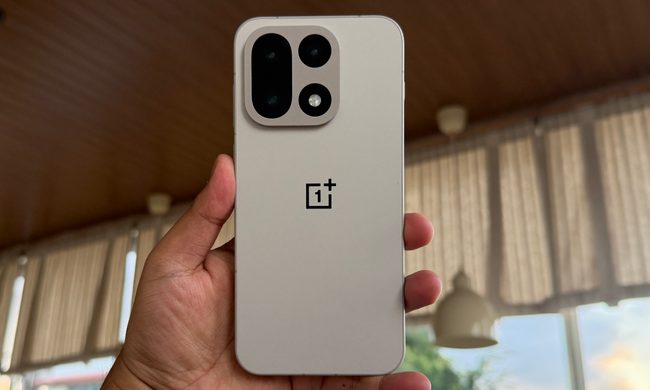
OnePlus is building another flagship monster for a shrinking audience, and its expected to launch in October
OnePlus 16 could launch in October, but it may not leave China
Rear shell of OnePlus 15.

While OnePlus may have exited the US and Europe, the brand is still alive in its home market and is already working on its next flagship smartphone. A fresh leak from Chinese tipster Digital Chat Station has now revealed more details about the OnePlus 16, including its design and a revised launch timeline.

The tipster previously claimed that the phone would arrive in September 2026, but the latest information points to an October launch in China (via Gizmochina). The global picture is far less clear, and there is now even some doubt over whether the OnePlus 16 will make it to India, which remains the company’s biggest market.

Read more
Samsung has another wild foldable phone lined up for 2027 and it will excite screen connoisseurs
Samsung wants another giant OLED folding inside your pocket
Samsung Galaxy TriFold unfolded

Samsung just gave foldable fans a wider 4:3 canvas with the Galaxy Z Fold 8. But that still isn't enough screen for the company. Samsung has reportedly begun early development of a successor to the Galaxy Z TriFold, its dual-hinged phone that unfolds into something much closer to a proper tablet.

According to Korean publication ETNews, Samsung has already shared information about the next-generation project with suppliers, but its final specifications have yet to be decided. One detail should immediately grab the attention of anyone who buys a foldable primarily for its display. A source familiar with the project told ETNews that Samsung is currently targeting a screen size similar to the original TriFold.

Read more
Android’s most powerful app permission could soon come with a much scarier warning
New Android 17 language spells out how trusted apps may interact with your screen while your device remains locked
Electronics, Mobile Phone, Phone

Android 17 could make one of its most powerful app permissions harder to approve without a second thought. New warning text explains that trusted apps may view and interact with screen content, even while the phone is locked.

Nerd’s Chalk uncovered the language in an APK teardown of Android 17 QPR2 Beta 1. The feature isn’t active, but Google’s description now leaves considerably less to the imagination.

Read more