1. Home
  2. Phones
  3. Android
  4. Mobile
  5. Web
  6. News

Google’s Progressive Web Apps turn mobile sites into Android apps

Add as a preferred source on Google

At Google’s Chrome Dev Summit in November, the company introduced a new initiative called Progressive Web Apps, which aim to bridge the gap between a typical mobile web experience and a dedicated custom app on your Android smartphone or tablet. As of this week, support for Progressive Web Apps has been activated for users of the Chrome Dev and Canary apps on Android, according to XDA Developers.

Think of a Progressive Web App like a typical site with a mobile-friendly interface that’s bookmarked on the home screen, but with a couple of added benefits. The main difference is these web apps are treated by Android much like apps from the Play Store. You can install and uninstall the web apps from the device, and they exist within the app drawer. Progressive Web Apps also have the ability to issue notifications.

Recommended Videos

In the past, some users have preferred the stripped-down nature of mobile sites over dedicated apps, which can take a heavier toll on a device’s resources and battery. Google’s solution essentially makes the experience of using those same mobile sites on your phone or tablet much less clunky. Currently, calling up a site pinned to the home screen will just open a new Chrome tab. With Progressive Web Apps, these sites are now treated in Android’s recent app history as unique apps, rather than Chrome tabs. Additionally, they can be accessed while offline, and won’t leave you with a blank screen when opened without a network connection.

There are benefits for developers, too. Mobile sites and Progressive Web Apps are viewable across platforms, less dependent on device specifications, and can be updated instantly.

Support for Progressive Web Apps can be turned on in Chrome Dev or Canary by entering “chrome://flags/#enable-improved-a2hs” into the address bar. However, websites also need to enable support on their end before users can start installing them. You can see a list of the ones that already work as Progressive Web Apps here. From there, the process is as simple as tapping “add to home screen” in Chrome’s menu. Regardless, the feature is still a work in progress and some elements, like notifications, may not be functional right away.

Adam Ismail
Former Contributor
Adam’s obsession with tech began at a young age, with a Sega Dreamcast – and he’s been hooked ever since. Previously…
Apple’s next big iPhone display experiment could be its biggest yet
The company may be testing a 6.96-inch panel for a future flagship, although one leaker’s post is currently the only source for the exact measurement
iPhone 17 Pro Max

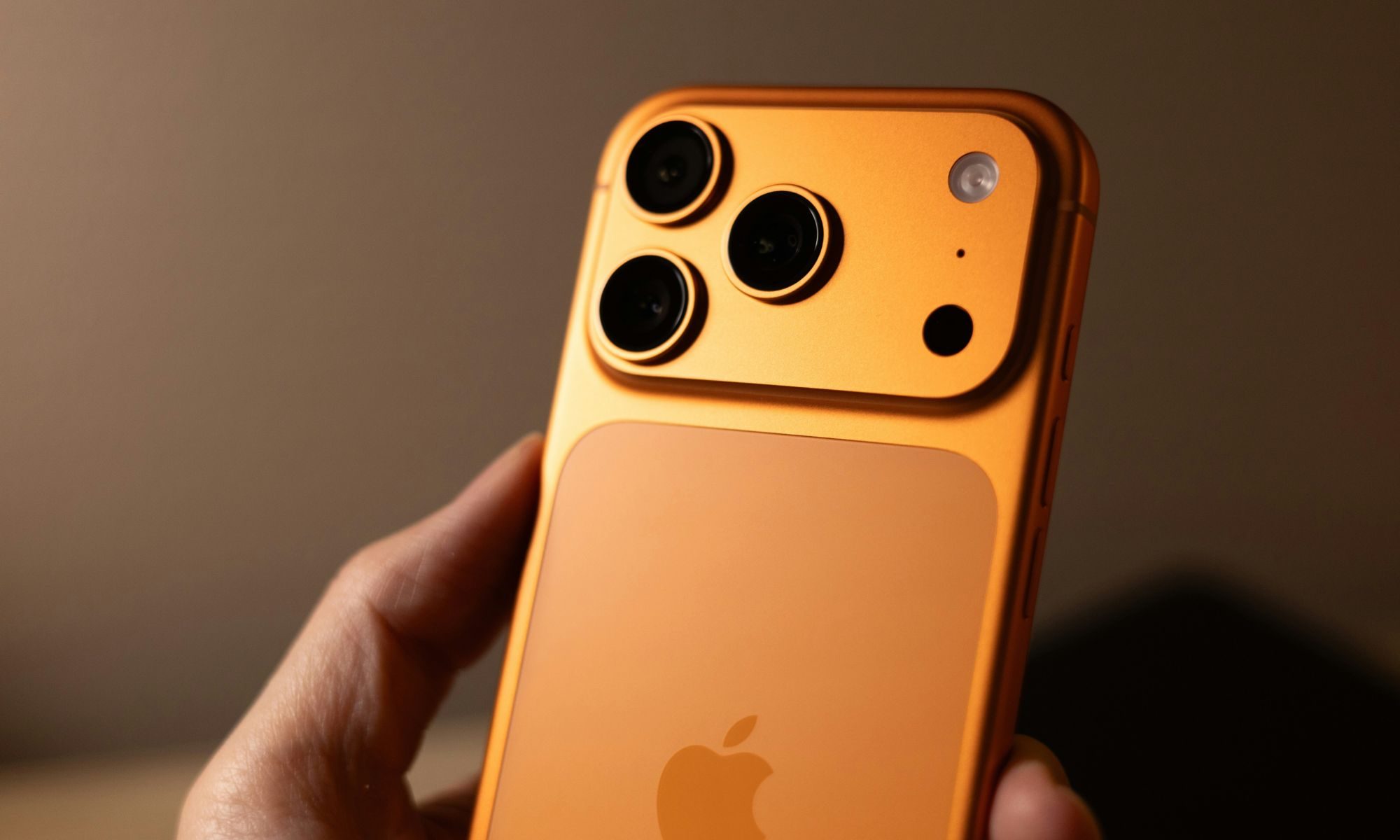
Apple may be testing a 6.96-inch display for a future iPhone, bringing its largest handset within a whisker of the 7-inch mark.

Leaker Digital Chat Station claims the experimental panel retains the same aspect ratio as Apple’s current Pro Max display. The post mentions the iPhone 20 Pro Max as a possible destination, but doesn’t connect the screen to a finished device. Apple could be exploring the size without putting it anywhere near a production line.

Read more
Vibecoded apps are flooding Apple’s App Store, and users are getting sick of them
App Store submissions have doubled this year as AI tools make it easier than ever to build an app, but downloads haven't kept pace, and for good reason.
Apple App Store homepage on an iPhone

Apple's App Store is in the middle of its steepest submission surge in years. Developers submitted nearly 600,000 new apps last year, marking a 30 percent jump over the previous year. That number has already doubled to roughly 560,000 new apps in just the first six months of this year, according to estimates from analytics firm Sensor Tower cited by the New York Times. The reason behind the spike is vibecoding, which allows people with no prior development experience to create new apps using AI tools.

A familiar boom, with a twist

Read more
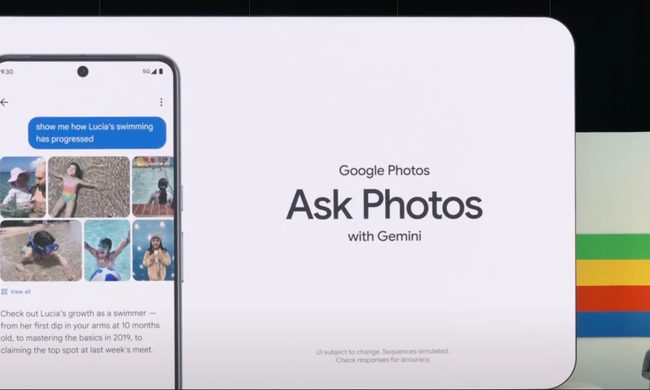
Google Photos adds a quick toggle between AI and classic search
Classic search is finally easier to reach for people who enabled Ask Photos
Google's Ask Photos debut.

Google Photos is giving users an easier way to leave its Gemini-powered search when a simple keyword would do. A new toggle now sits at the top of the results page, letting users switch between Ask Photos and classic search without digging through settings.

The change appears to address feedback from people who opted into Ask Photos but wanted a quicker way to return to classic search when Gemini was slower or less useful for a straightforward query.

Read more