1. Home
  2. Smart Home
  3. Emerging Tech
  4. News

Harvard creates a renewable battery that can last for 10 years

Add as a preferred source on Google

Imagine if your house ran on a giant, low-maintenance rechargeable battery. Researchers from the Harvard John A. Paulson School of Engineering and Applied Sciences (SEAS) developed a new flow battery capable of lasting more than 10 years. Along with its 10-year lifespan, the researchers also successfully designed the battery to remain inexpensive, non-corrosive, and non-toxic. Led by professors Michael Aziz and Roy Gordon, the groundbreaking research boasts the potential of changing the way people utilize power all over the globe. Aziz and Gordon devised a way to take advantage of the benefits of a flow battery without the energy degradation that occurs while maintaining a traditional flow battery.

A flow battery uses liquid electrolytes to store charges. Two chemical components dissolved in liquids are typically separated from each other in external tanks, with bigger tanks storing more energy than a smaller tank. Generally with flow batteries, all that’s required to recharge them is replacing the liquid electrolytes — the chemical compound that allows for an electrical charge when dissolved. Each time someone replaces the electrolyte liquid, however, the battery grows weaker, making it one of the major drawbacks of flow batteries. They also tend to be expensive to develop and maintain, due in part to the fact the tanks and membranes have to withstand toxic or corrosive liquids.

Recommended Videos

Harvard researchers found they had the ability to change the chemical composition of the positive and negative electrolyte solutions, making them water-soluble and pH neutral.  This makes the battery rechargeable, without the huge amount of energy degradation. The Harvard battery loses only one percent of its capacity every 1,000 cycles. In turn, the battery could last more than a decade with minimal maintenance and upkeep.

“Because we were able to dissolve the electrolytes in neutral water, this is a long-lasting battery that you could put in your basement,” said Gordon in a Harvard news article. “If it spilled on the floor, it wouldn’t eat the concrete and since the medium is noncorrosive, you can use cheaper materials to build the components of the batteries, like the tanks and pumps.”

The Department of Energy (DOE) aims to achieve the goal of creating a battery capable of storing energy for less than $100 per kilowatt-hour, as this would make renewable energy competitive with energy produced by traditional power plants.

“If you can get anywhere near this cost target, then you change the world,” said Aziz.

Erika Rawes
Former Smart Home Evergreen Coordinator
Erika became a professional writer in 2010, and her work is published all over the web on sites ranging from USA Today to…
Remember Samsung’s Ballie home robot? It may finally be inching closer to reality
Leaked app wireframes give the strongest hint yet that Samsung's Ballie home robot, first shown at CES 2020, might still be headed toward an actual release.
Samsung Ballie robot in a room next to a dog feeder.

Samsung's rolling home robot has been the industry's longest-running "will it ever actually ship" joke, and I'll admit I'd mostly given up on it. Now, there's finally a glimmer of hope.

Samsung first unveiled Ballie as a concept at CES 2020. Then, it showed it as a significantly upgraded version four years later. However, the company never confirmed a release date or committed to releasing it at all. 

Read more
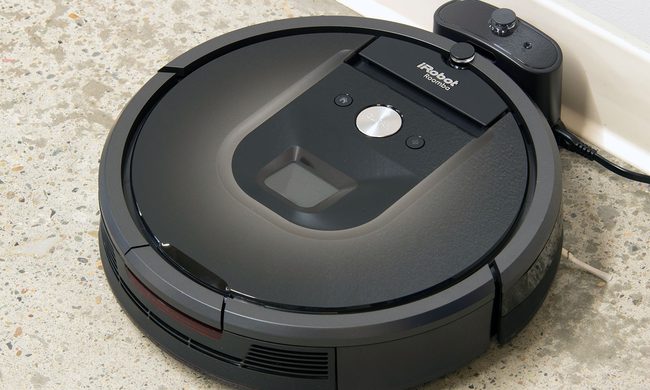
The US foreign-made robot crackdown is coming for future Roombas too
Future Roombas face new US sales hurdles, but existing models are unaffected
Roomba 980

The FCC has already made it much harder for foreign drone makers such as DJI to bring new products into the US. Now, the same crackdown is reaching a machine far more likely to be moving around your living room.

The US government recently added foreign-made advanced robotic devices to the FCC’s Covered List. The announcement appeared focused on humanoids, robot dogs, and industrial machines, but an FCC spokesperson has confirmed to The Verge that robot vacuum cleaners are covered too.

Read more
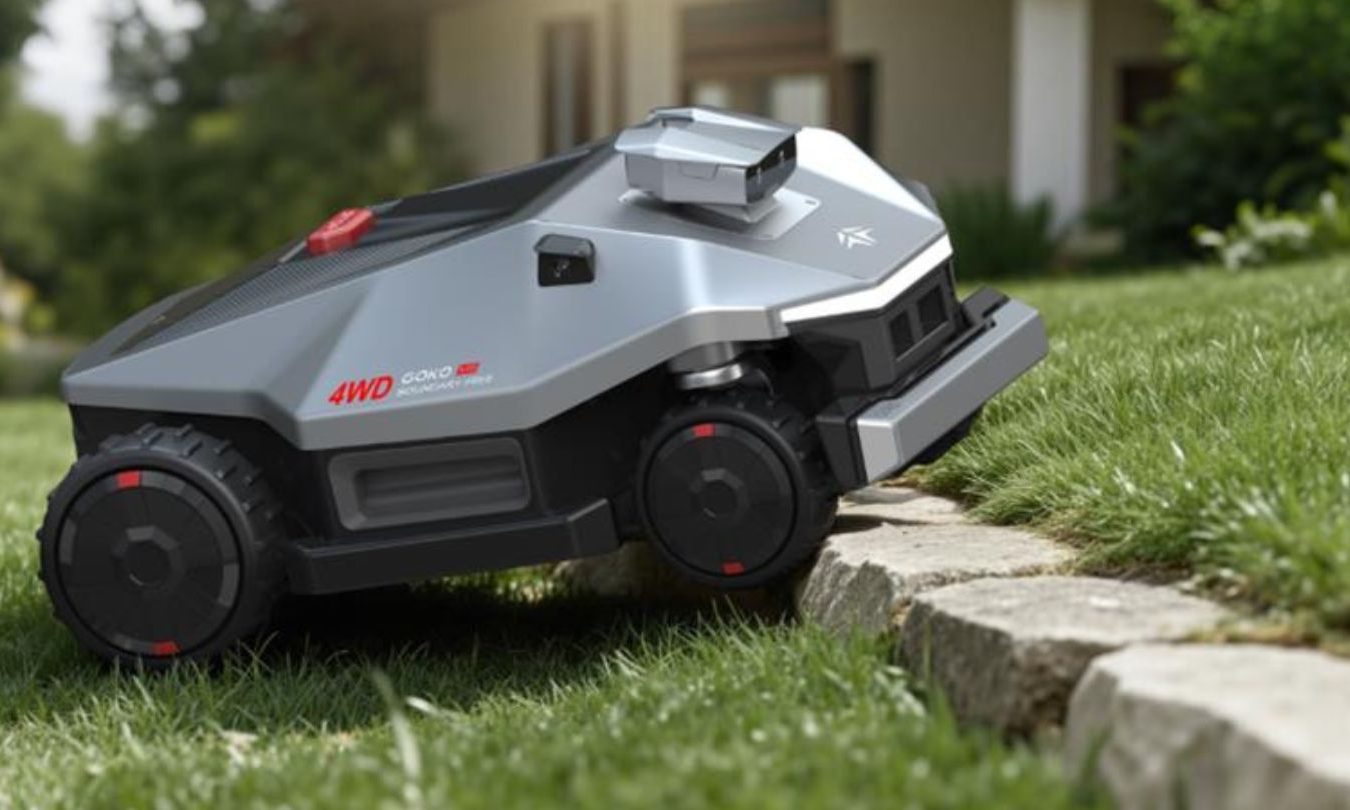
The GOKO M6 Robotic Lawn Mower Brings Industrial Robotics to Modern Lawn Care
7 reasons this AI-driven powerhouse makes hands-free yard work smarter than ever
Grass, Lawn, Plant

Robotic lawn mowers can save homeowners hours of manual yard work, but not every model is designed for challenging properties. While many perform well on flat lawns, larger yards with uneven terrain, steep slopes, and multiple mowing zones require a mower built for more demanding conditions.

Developed by GOKO, the consumer robotics brand of Robot++, the GOKO M6 is an industrial-grade 4WD AI-powered robotic lawn mower that brings more than a decade of industrial robotics expertise to residential lawn care. It combines AI-powered four-wheel drive, advanced navigation technologies, and AI QuadVision obstacle detection to tackle complex landscapes with less manual intervention.

Read more