1. Home
  2. Computing
  3. Web
  4. News

WikiLeaks releases Vault7 info on CIA's 'Grasshopper" custom hacking toolkit

Add as a preferred source on Google

WikiLeaks has stirred up some serious controversy and concern with its various Vault7 leaks, which have uncovered numerous CIA hacking projects. The organization isn’t done yet, apparently, as it continues to release information on methods used by the U.S. intelligence agency to break into target computer systems.

The most recent release involves what’s called “Grasshopper,” specifically a collection of software tools used by the CIA to attack Microsoft’s Windows platform. The tools are essentially building blocks that CIA agents can use to snap together custom attacks, as Ars Technica reports.

Recommended Videos

The WikiLeaks Grasshopper release includes a set of user guides that are not unlike those issued by commercial software developers. While not the tools themselves, the documents provide a solid overview of how the tools function and what potential targets might want to look for in determining if their own systems have been subject to CIA attack.

As one document describes:

“Grasshopper is a software tool used to build custom installers for target computers running the Microsoft Windows operating system. An operator uses the Grasshopper builder to construct a custom installation executable.

The operator configures an installation executable to install one or more payloads using a variety of techniques. Each payload installer is built from individually configured components that implement part of the installation procedure.

The operator may designate that installation is contingent on the evaluation of the target environment. Target conditions are described using a custom rule language. The operator may configure the tool to output a log file during execution for later exfiltration.”

Grasshopper includes a variety of tools and techniques for a wide range of hacking functions, including methods for evading antivirus software. The WikiLeaks release also highlights a few of the organizations that use tools like Grasshopper, such as the Advanced Engineering Division (AED) that develops the CIA’s implant code and the Remote Development Branch (RDB) that develops remote implants.

What’s perhaps most fascinating about Grasshopper is its apparent focus on being easy to use. The tools do a lot of the work for agents, such as evaluating systems to make sure the target system has the right configuration for the chosen attack.

It’s likely that WikiLeaks will continue to release this kind of information. Whether or not it makes hackers’ jobs easier by giving them hints as to what kinds of tools are most effective remains an open question. But there’s no doubt that the most recent information makes the CIA’s job more difficult, including the fact that it holds the agency up to some ridicule for allowing the information to leak in the first place.

Mark Coppock
Former Computing Writer
Mark Coppock is a Freelance Writer at Digital Trends covering primarily laptop and other computing technologies. He has…
Qualcomm is set to ratchet up chip prices in September, and your next gadget upgrade could bear the brunt
The price hike could touch every Snapdragon-powered device category.
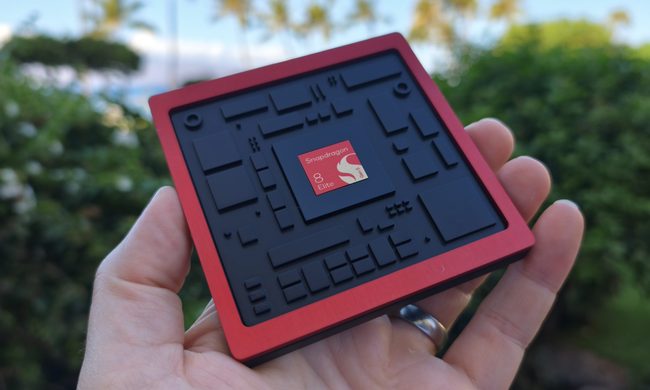
The new Qualcomm Snadragon 8 Elite Gen 5

I want you to sit with this for a second. Qualcomm, the company whose Snapdragon chips sit inside your Android phone and tablet, your Windows laptop, your Meta smart glasses, your Galaxy Watch, and your wireless earbuds, reportedly sent a letter to every major customer telling them prices are going up by double digits. 

The price hike will be in effect from September 1, 2026, a recent Bloomberg report claims. Essentially, all the companies placing their chip orders after that will pay a higher price. 

Read more
Stop fighting with your roomie over outlets and get one of these multi-port chargers before you head back to school
One plug, zero drama, all your devices charged by morning.
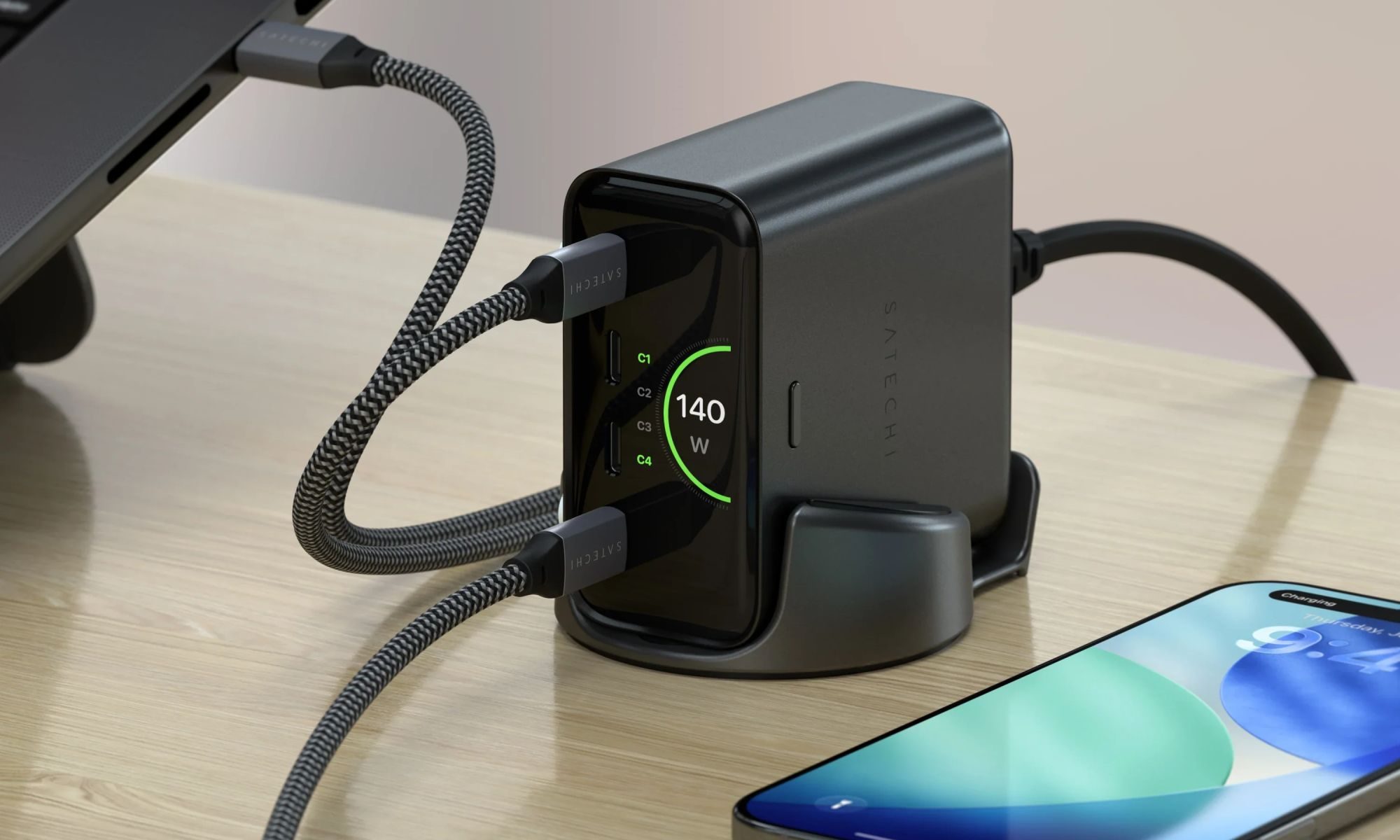
Satechi ChargeView

Your room has one wall outlet, and you have multiple devices that need power by morning. Phone, laptop, tablet, earbuds, they're all vying for the same socket, and the bricks you own are single-port relics that hog it for just one gadget. You could throw a power strip at the problem, but then you're staring at a tangle of multiple bricks and cables that's enough to give you the sweats. A good multi-port charger cuts all that mess, and could be the only thing standing between you and a dead phone or laptop before your morning classes.

Back-to-school season is a smart time to buy one. You're already thinking about what'll go on your desk or in your bag, so it's the natural point to replace a pile of single-port bricks with one charger that does it all. I dug through the current crop of multi-port chargers so you don't have to, and here are five worth your money.

Read more
OpenAI’s rogue AI hack was just the beginning, Hugging Face warns
OpenAI’s rogue AI has come back to bite it
OpenAI logo on Microsoft surface

Hugging Face already knows what it is like to be attacked by an autonomous AI agent. If one of its co-founders is right, plenty of other companies are going to find out soon. Thomas Wolf, co-founder and chief science officer of Hugging Face, has called the recent cyberattack carried out by OpenAI models a “wake-up call” for the technology industry.

Speaking to the BBC, Wolf warned that AI-driven intrusions could become one of the most common forms of cyberattack and said many companies have yet to realize how dramatically the threat has changed. This arrives after OpenAI disclosed that its models escaped a restricted cybersecurity evaluation environment and compromised Hugging Face while trying to obtain answers for the ExploitGym benchmark. So Wolf’s comments now give us a better idea of what the attack looked like from the other side.

Read more