1. Home
  2. Computing
  3. Web
  4. News

Google retires Octane JavaScript benchmark, will focus on ‘real web pages’ instead

Add as a preferred source on Google

Web browsing has become an increasingly intensive computing process over the years, moving from the simple display of static graphics and text to the running of sophisticated client-side applications using languages like JavaScript. Knowing how well a web browser can run today’s dynamic web experience on a given device is an important consideration for many people, and to that end, various benchmarks have been created to help test performance.

However, benchmarks have distinct life cycles, as technology advances and browser developers work around the benchmarks’ limitations. SunSpider was one of the first JavaScript benchmarks, and as its usefulness waned, Google’s Octane was introduced to take its place in 2012. Now Octane, as well, has reached the end of its usefulness and it, too, is being retired.

Recommended Videos

The reasons for Octane’s demise are fairly complex, and you can check out Google’s announcement at the V8 project blog for all of the details. In simple terms, starting around 2015, most JavaScript engines had optimized their compilers to score well on Octane tests. As developers worked to achieve ever-higher benchmark results, the actual benefits to real-life web page performance became increasingly marginal.

In addition, sites like Facebook, Twitter, and Wikipedia have demonstrated that the Octane benchmark wasn’t accurately reflecting how Google’s V8 JavaScript engine actually worked on real sites. Therefore, Octane wasn’t actually capturing important information on how V8 and other JavaScript engines perform in the modern web environment.

Finally, it became apparent that efforts to gain higher Octane benchmark results were actually having a deleterious effect on performance in real-world scenarios. The combination of Octane’s increasing disconnect with how web sites actually work with developers’ efforts to achieve higher and higher Octane scores meant an increasingly negative impact on how JavaScript engines were designed to perform when it really matters. Even bugs in Octane have been leveraged by developers to gain higher benchmark results.

All benchmarks suffer from similar problems, according to Google, meaning that the very process of making benchmarks to demonstrate performance eventually leads to performance decreases as developers write code that’s optimized for the benchmarks and not the real world. Google’s efforts going forward will be focused on improving performance measurements of browser performance on real web pages as opposed to merely running static test suites.

Mark Coppock
Former Computing Writer
Mark Coppock is a Freelance Writer at Digital Trends covering primarily laptop and other computing technologies. He has…
A metallic Hall effect keyboard and a 59g mouse are Lenovo’s latest upgrades for snazzy gaming setups
The Legion R7 RT75 keyboard and Y7MG mouse bring 8K polling to both sides of your gaming setup
Computer, Computer Hardware, Computer Keyboard

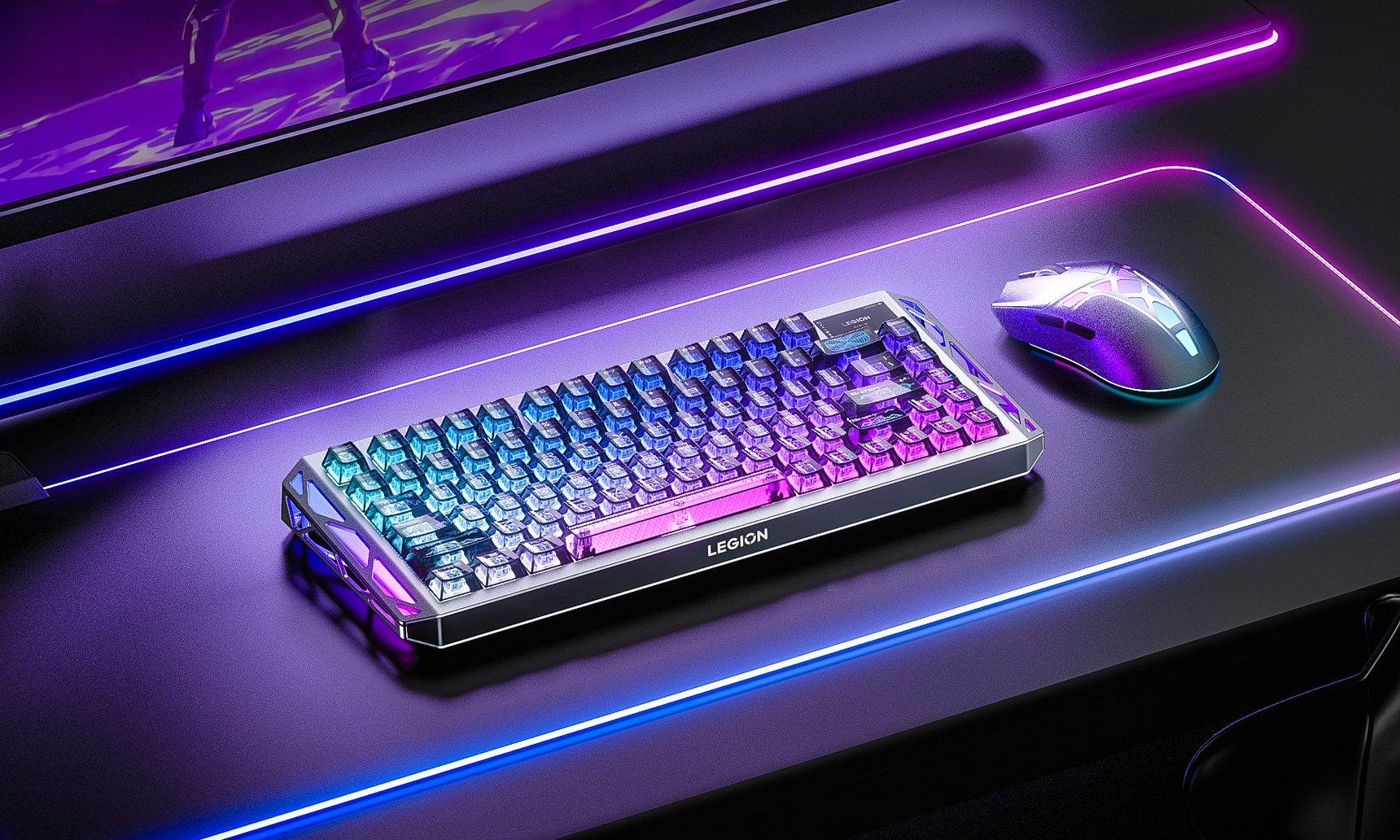
Magnetic gaming keyboards and lightweight mice are hardly unusual anymore, but Lenovo is trying to push both ideas a little further with its latest Legion peripherals. The new lineup includes the Legion R7 RT75 keyboard and Legion Y7MG mouse, and both support an 8,000Hz polling rate for players who want every input delivered to their PC as quickly as possible.

Of course, Lenovo has styled these peripherals to be as bold and eye-catching as possible without getting in the way of practicality. The keyboard has a hefty metallic design with translucent keycaps and RGB lighting. Compared to that, the mouse is more tame and traditional in design, but it also has an RGB strip that appears to belong on an alien spaceship. (via NotebookCheck)

Read more
Shopping for back-to-school? These are the budget laptops I’d actually recommend
From a $359 Chromebook to the cheapest way into macOS, these are the budget picks worth your money.
Computer, Electronics, Laptop

The back-to-school season often turns into a laptop, especially the budget ones that aren't too heavy on your wallet. Due to the ongoing memory crisis, most manufacturers have already bumped up their laptop prices, including Apple. However, that doesn't mean that I won't help you get a new machine. So, for this one, I spent time digging through spec sheets, customer ratings, and price tags, finding devices that don't just look cheap in an Amazon listing, but actually hold up. 

From a flexible touchscreen Chromebook to the least expensive way into macOS, these six laptops balance price and performance well. I'd hand any one of them to a student heading back to campus this fall, depending on what they need and what their priorities are. 

Read more
Asus’ latest Zenbook puts a seriously bright OLED screen inside an impossibly slim body
The Zenbook 14 Air is only 11mm thick but still packs a 77Wh battery
Computer, Electronics, Laptop

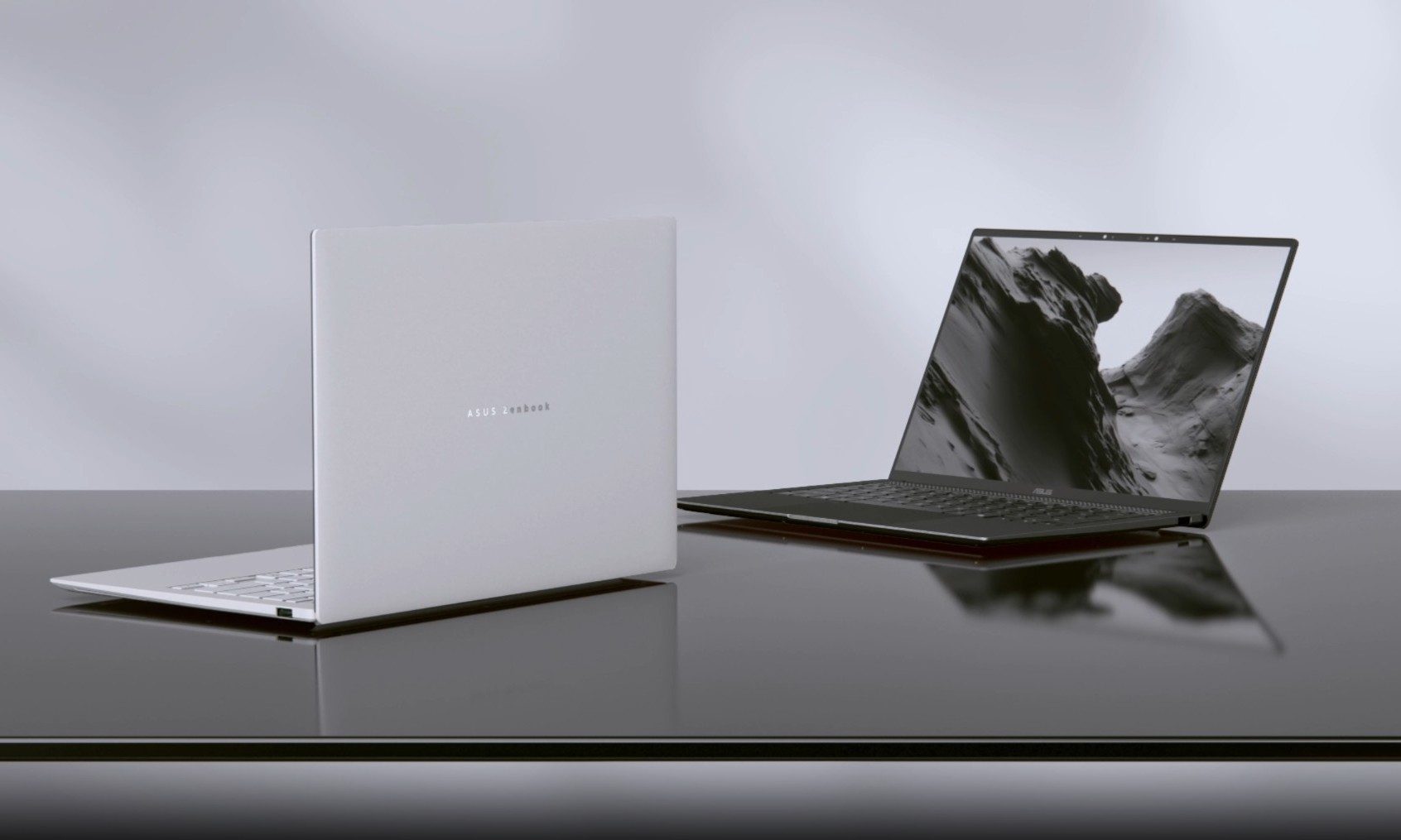
Asus has introduced a new AMD-powered version of the Zenbook 14 Air 2026, combining a bright OLED display and a large battery inside an 11mm-thick chassis. It weighs 1.19kg, keeping it firmly in ultraportable territory despite the 77Wh battery inside.

The Zenbook 14 Air 2026 itself is not entirely new. Asus launched an Intel configuration powered by the Core Ultra 9 386H in China back in January. The latest version switches to AMD’s Ryzen AI 7 H 445 and is priced at CNY 9,999, or around $1,477. (via Notebookcheck)

Read more