1. Home
  2. Wearables
  3. Emerging Tech
  4. Health & Fitness
  5. Mobile
  6. News

A better night’s sleep may not be a far-off dream with this sci-fi wearable

Add as a preferred source on Google

Because modern life often gets in the way of a relaxed, deep, refreshing sleep, more of us are turning to technology to rectify this problem. This may of course sound ironic since technology is often a cause of disturbed sleep. The latest sleep-promoting product, however, is completely sleep-friendly and doesn’t have a screen. It’s called the Dreem and it’s a sci-fi-esque headband with a built-in EEG system and bone-conducting audio, ready to send you to the land of Nod in just a few moments. We love the look, and the tech is equally as enticing.

The Dreem has been in development by startup Rythm (sic) for three years. It has recently completed its beta test program, and is ready to be put on sale. We spoke to creator Hugo Mercier in March about the technology inside, and what the device is like to use, so it’s great news the device is now almost ready for the public. It’s not a cheap piece of equipment though, and you’re going to have to splash out $500 on it, and then be prepared to wait until the fall for it to ship.

Recommended Videos

If it delivers on the benefits it promises, though, it may justify the high price. The dry polymer EEG electrodes monitor your brain activity, and the bone-conducting audio pipes specially produced audio directly to your inner ear. There’s no need to wear headphones with the Dreem, and only you can hear the audio, so you won’t disturb anyone sharing the bed. A touch sensitive bar runs along the top, so you don’t have to reach for your phone to control it. In the morning, data on your night’s sleep is presented in the app.

Image used with permission by copyright holder

Audio plays a major role in the Dreem’s operation. Various settings play meditative tracks, those which guide you through breathing exercises, and others that help sync breathing and heart rate together. Once you’re asleep, the EEG watches over your brain, and uses sound to increase the quality of your sleep. There are many benefits to this apparently, including waking up properly refreshed in the morning, and promoting better overall health. The headband also has a smart alarm, waking you up gently at the optimal time.

It’s impossible to say how comfortable the headband is to sleep with on without trying it, but Rythm says it soon becomes unnoticeable. The soft fabric reminds us of the Google Daydream VR headset, the bands are lined with foam, and the whole device flexes and bends to conform to your head and movements. In beta tests, the Dreem has helped cut the time it takes to fall asleep by 31 percent.

You can pre-order the Dreem directly from the company, and expect delivery toward the end of the year.

Andy Boxall
Andy has written about mobile technology for almost a decade. From 2G to 5G and smartphone to smartwatch, Andy knows tech.
Nothing’s first proper smartwatch could be the wrist candy Android needs
Nothing wants to put some personality back on your wrist
Wristwatch, Arm, Body Part

Just like how smartphones have settled into a familiar routine, smartwatches have also become quite predictable. But Nothing might be planning on shaking things up for wearables. A tipster claims the company is preparing its first smartwatch under the main Nothing brand. The unnamed wearable will reportedly launch in September, cost less than $300 in the US, and initially reach a limited number of markets.

Its design is also said to carry the “typical Nothing DNA” that has helped the company’s phones and audio gear stand apart. Right after this, Nothing co-founder Akis Evangelidis joined the conversation with a separate, cryptic post. It adds some company-side smoke to the leak, although Nothing has yet to announce the watch or reveal any hardware details formally.

Read more
Google could soon let you unlock your Pixel Watch with your phone
An in-development feature could flip the current Watch Unlock feature, letting an authenticated phone unlock the watch automatically.
Google Pixel Watch 4 in black in the hand

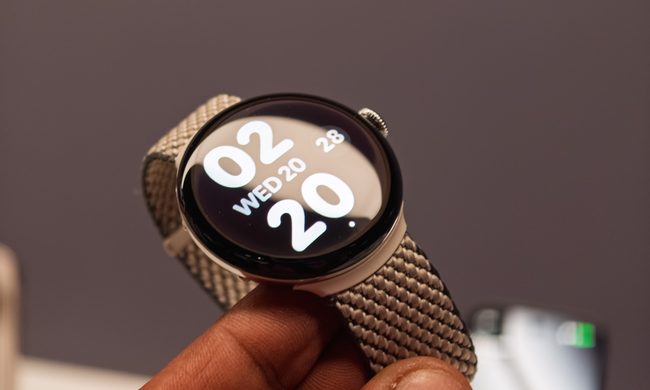
If you've set up a PIN on your Pixel Watch, you already know the prompt that shows up every time you slip it back on your wrist. It's a useful security measure, but entering a PIN on that small screen multiple times a day gets old fast. A new report suggests Google may be working on a way to let you skip it.

Watch Unlock in reverse

Read more
A new iPhone app can sniff out Meta smart glasses lurking nearby
Your iPhone can now keep an eye on the glasses keeping an eye on you
The Ray-Ban Meta smartglasses and case.

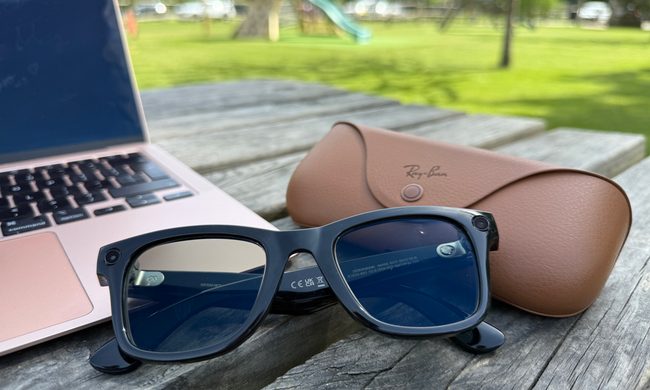
Android users got an unusual privacy tool earlier this year that could alert them when smart glasses were nearby. Five months later, iPhone owners finally have something similar, and its name makes its feelings about Meta pretty obvious.

AntiZuck is a $2.99 iPhone app that scans for Bluetooth signals associated with smart glasses and alerts you when it thinks one is close. It supports devices including Meta Ray-Bans, Snap Spectacles, Amazon Echo Frames, and RayNeo glasses, while the developer says additional hardware is being added.

Read more