1. Home
  2. Photography
  3. Emerging Tech
  4. Mobile
  5. News

The Taro camera stabilizer tracks your movement to keep you in the frame

Taro reveals pricing, availability info for its camera stabilizer at CES

Add as a preferred source on Google

Amateur videographers are living in something of a golden age here in 2017. Not only do our cell phones double as 4K digital cameras, while drones let us shoot sweeping Hollywood-style vistas on a shoestring budget. Now, a new self-stabilizing camera tripod promises to eliminate all signs of unintended shakiness from our footage — while permanently keeping its intended target in frame.

Called Taro, this so-called “automated camera mate” is a hands-free tracking stabilizer for smartphones and DSLR cameras that uses infrared (IR) and artificial intelligence technology to follow moving targets and make sure that they never stray out of view. Just slap on an IR bracelet and Taro will keep its eye on you wherever you move — a bit like your own personal cameraperson or the world’s most intelligent selfie stick.

Recommended Videos

While it’s not the first hands-free stabilizer in the marketplace, Taro creator Hao Qian said he found others lacking in important ways he wanted to rectify. “After testing other stabilizers, we noticed they easily lose the target when shaded or moving fast,” Qian told Digital Trends. “This is due to the algorithms they use — ptical flow or tracking learning-detection. Both of these algorithms consume a lot of calculation capacity, so when working on smartphones, they usually calculate less than two times per second — which is why when there’s a fast-moving target, the algorithms simply can’t catch up. Taro can lock in on a target using its fast infrared tracking algorithm that performs 30 calculations per second, making it possible to track objects moving as fast as 50 miles per hour.”

The full Taro lineup, including the Taro T1 for smartphones, the Taro TX for DSLRs, and the Taro M1 infrared tracking module, is currently being demoed at CES 2018, giving folks the opportunity to put the company’s stabilizing claims to the test. The software isn’t the only thing that’s impressive, either — the hardware design of the device is pretty nifty, too — with three ultra-high torque brushless motors that react rapidly to what is happening around them to provide a silky-smooth shooting experience.

If you want to get hold of a unit, you can pre-order Taro on the company website, with products set for delivery in April 2018. The Taro T1 for smartphones is priced at $199, the Taro TX for DSLRs is priced at $599, and the Taro M1 infrared tracking module is priced at $99.

Update: Added Taro pricing and availability  announced during CES debut. 

Luke Dormehl
I'm a UK-based tech writer covering Cool Tech at Digital Trends. I've also written for Fast Company, Wired, the Guardian…
The FCC’s latest crackdown could put more than DJI drones at risk in the US
Robot, Person, Face

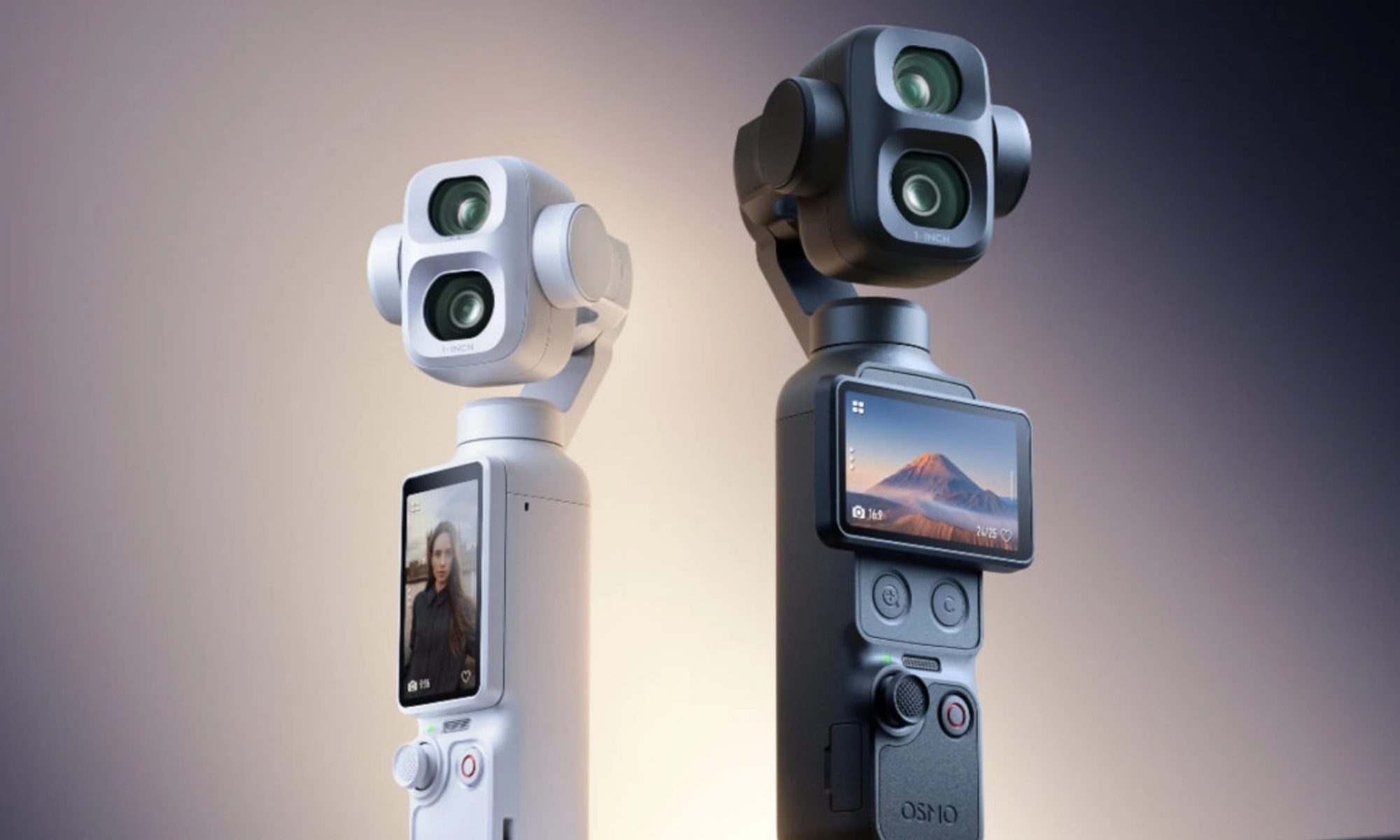
DJI may have found creative ways to keep some of its products flowing into the US, but those efforts are now drawing increased attention from regulators. According to The Verge, the US Federal Communications Commission (FCC) has started cracking down on several companies it believes could be helping DJI continue selling products in the country. These businesses have been described by industry observers as "DJI front companies" because they market or import products that appear to be closely tied to the Chinese drone maker while operating under different brand names.

DJI's alleged back door may be closing

Read more
I bought Kodak’s viral keychain camera, and the bad photos are part of its charm
The Kodak Charmera is barely a camera, and I still keep using it
Machine, Wheel, Camera

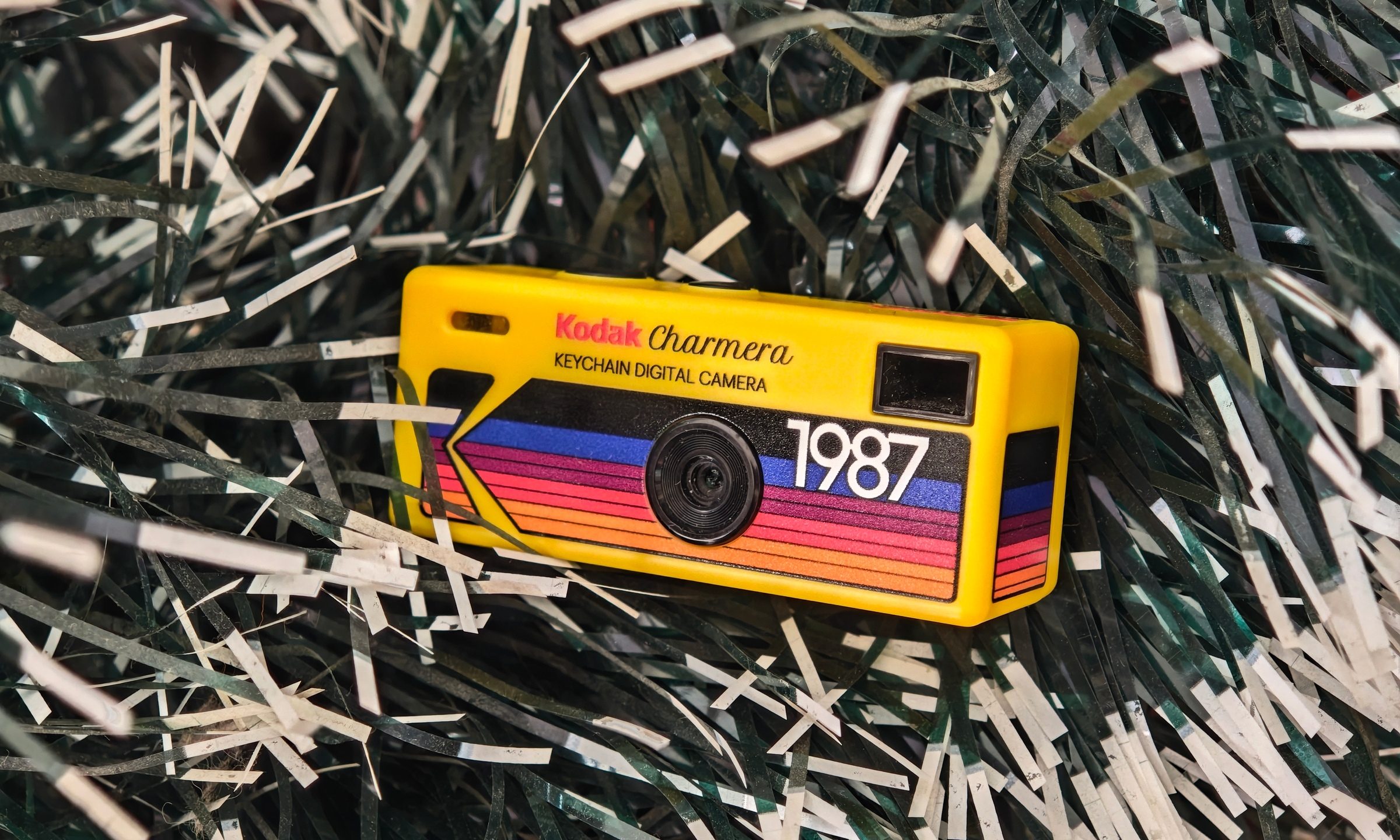
I bought the Kodak Charmera partly because I wanted a portable digital camera, and partly because I wanted a pretty little collectible. The Charmera is sold as a blind box, so you do not know which version you are getting until the box is opened. There are multiple retro Kodak-style designs, plus a transparent secret edition that looks like the one everyone would want.

I had the shopkeeper pick my box for better luck, and it worked out. I got the yellow variant, which is inspired by Kodak's original 80s disposable camera. The transparent one is definitely the fun collector’s piece, but the yellow model feels like the proper Kodak version. It looks like a tiny toy camera that escaped from a souvenir shop, found a keyring, and now hangs around wherever you go.

Read more
This new $30 keychain camera is coming for Kodak Charmera with a flip screen for selfies
Yashica's new camera makes toy photography more fun
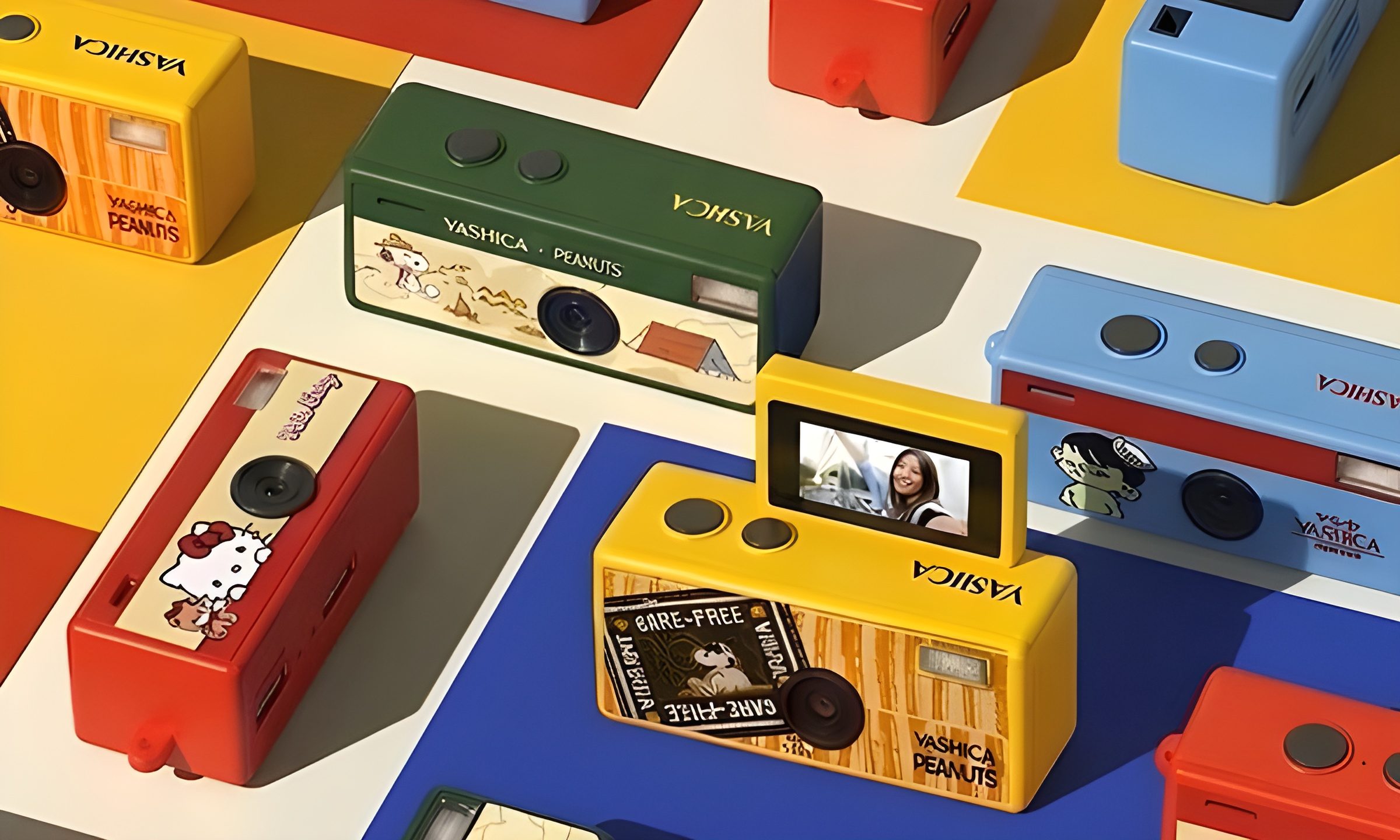
YASHICA Funtastic Keychain Camera in multiple variants

Tiny digital cameras are all the rage, and Yashica is now offering a very cute toy photography experience of its own. The company’s new Funtastic Keychain Camera is exactly what the name suggests, a miniature digital camera small enough to clip onto your keys, bag, or lanyard. The popular Kodak Charmera is the obvious comparison, which brings a tiny blind-box keychain camera that became a viral collectible.

Now, Yashica's version lands in the same novelty-camera lane, but adds one very useful trick, which is a 180-degree flip screen.

Read more