1. Home
  2. Cars
  3. News

Yandex, the ‘Google of Russia,’ is now testing self-driving cars in the snow

Add as a preferred source on Google

Hot off its joint venture with Uber, Russian tech giant Yandex is testing its cold-weather capabilities. The company often known as the Google of Russia is exploring many different industries and technologies, including that of the self-driving variety. And now that it’s forming a joint venture with Uber, it’s stepping up its autonomous capabilities even further. Over the November 25-26 weekend, Yandex conducted test drives with its self-driving taxis in a snowy scenario, ensuring that the autonomous vehicle would be able to keep passengers safe in wintry conditions. In total, the Prius prototypes traveled a total of 300 km during the test.

“We have been working to prepare algorithms for winter ‘at garage’ for a while, so last weekend tests in real world was just the first time we got all confirmations,” Dmitry Polishchuk, head of Yandex.Taxi’s self-driving project, told TechCrunch. Yandex certainly isn’t the first company to test its autonomous abilities in the snow. Just last month, Alphabet-owned Waymo announced that it was testing its own Chrysler Pacific hybrid minivans in snowy and icy conditions in Detroit.

The reason behind such tests is simple — while self-driving vehicles know what to do in ideal road conditions, understanding how to adapt to less than perfect roadways is key to being a good driver (human or otherwise). Snow is often seen as a particular challenge for motorists, as it not only creates a slick roadway, but can also hide road markings and signs. As such, guaranteeing autonomous vehicles’ safe operations in these situations is of the utmost importance.

Yandex has yet to test the self-driving cars on public roads, which means that they haven’t actually driven alongside humans. This, of course, will be a key step in bringing these autonomous vehicles to market. The company hopes to begin these trails in 2018, but this would require some legislation to be passed — as it stands, Russia forbids using self-driving cars on public roads.

For the time being, however, Polishchuk is pleased with the current tests. “There was nothing unexpected,” he said of the recent snow tests. “Computer vision algorithms should be specially tuned to work properly when the snow is falling and covering road surface, and driving technology should count slick surface when choosing speed mode. We will continue tests during the whole winter to make sure our technology for driverless car is reliable for such conditions.”

Lulu Chang
Fascinated by the effects of technology on human interaction, Lulu believes that if her parents can use your new app…
Europe is reaping the benefits of an open market with a terrific $22K EV, while the US market stays boring 
The new Geely E2 undercuts many rivals while highlighting China's affordable EV momentum.
Transportation, Vehicle, Car

This is not the first time I’ve watched European or Chinese car shoppers, for that matter, get a chance to buy genuinely affordable EVs. Meanwhile, American buyers keep hearing and talking about higher starting prices and fewer features on the entry-level trim. 

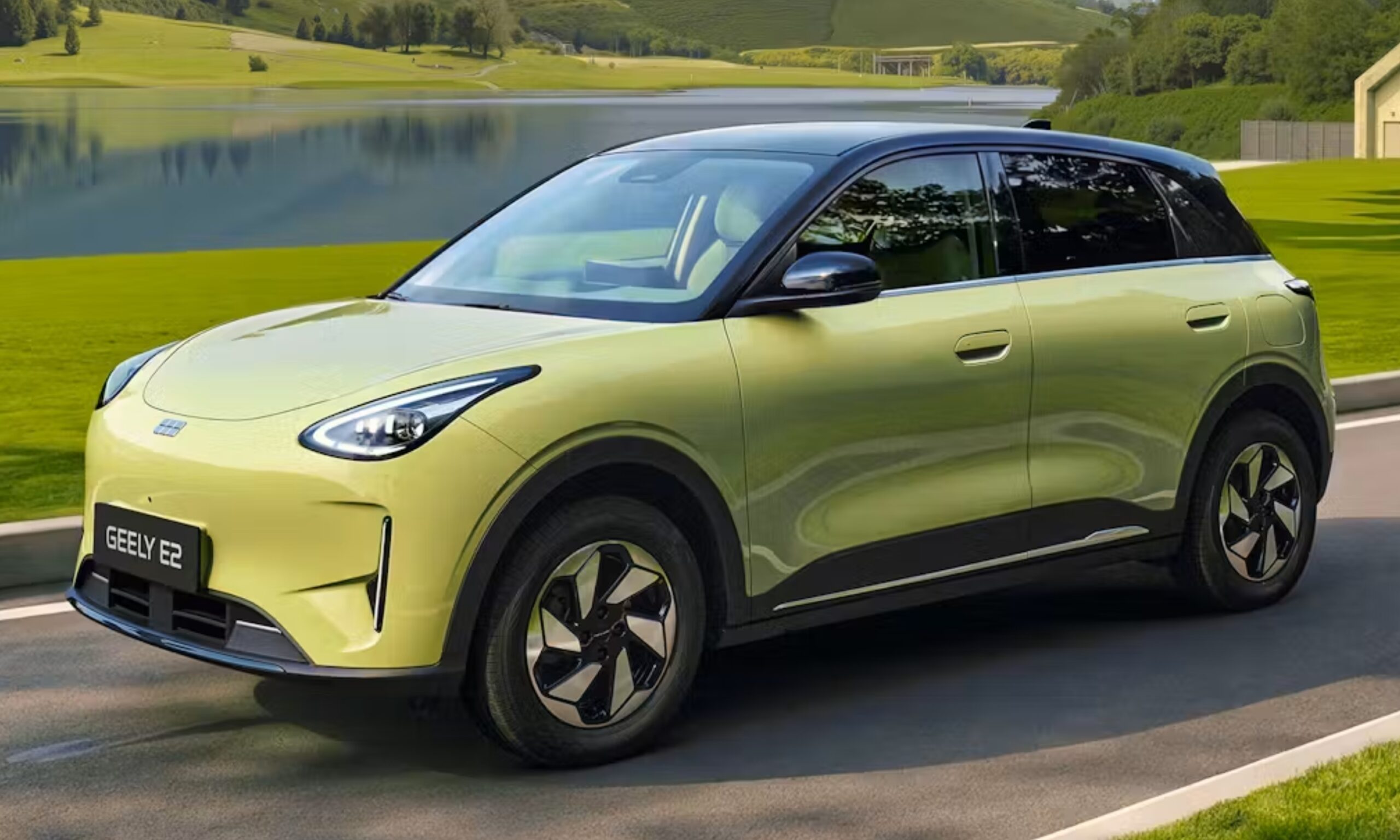
Geely’s new compact electric hatchback costs 19,490 EUR in Belgium, or roughly $22,490, and is yet another example of the same. While the entry price is only available for a limited time, I'm talking about the overall package the automaker is offering. 

Read more
Google Assistant finally has a shutdown date, and it’s only weeks away
Google Assistant starts shutting down September 4 as Gemini takes over.
google assistant mobile.

Google Assistant’s long goodbye now has a firm date. Google says it will begin discontinuing the voice assistant on eligible mobile devices on September 4, 2026, according to an email sent to users and shared publicly on Reddit.

The transition may take several weeks, so Assistant won’t vanish from every device at once. Once the change reaches an eligible Android device, Gemini will replace Assistant with no option to switch back.

Read more
Your next boat could finally feel like your car, thanks to this major navigation upgrade
Boat

If you've ever relied on a dedicated marine GPS, you'll know it often feels like stepping back in time. Clunky menus, confusing charts, and awkward route planning have long been part of the boating experience. That's finally starting to change.

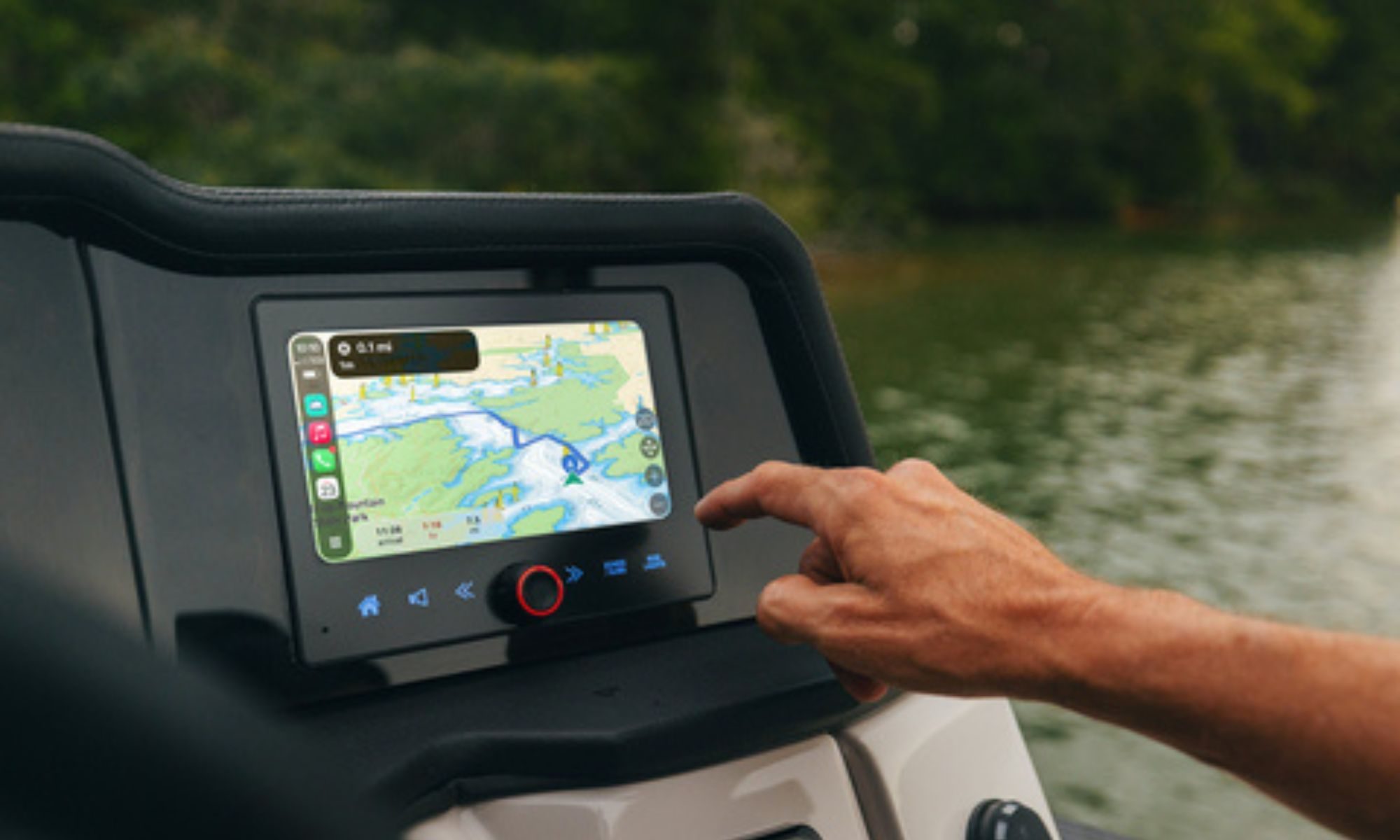
As per a report by BusinessWire, Crest and Balise, the two pontoon brands under MasterCraft Boat Holdings, have announced a partnership with marine navigation app Savvy Navvy to bring a far more familiar experience to the helm. Beginning with select 2027 models, owners will be able to use Apple CarPlay and Android Auto to access Savvy Navvy directly from their boat's display. Instead of juggling separate navigation hardware or switching back and forth between your phone and dashboard, boaters will be able to access maps, routes, and trip information from the same infotainment screen they already use.

Read more