1. Home
  2. Computing
  3. Business
  4. News

Japan’s Coincheck will refund $400 million in stolen cryptocurrency tokens

Add as a preferred source on Google

Coincheck, one of Japan’s largest cryptocurrency exchanges, reported that about $400 million worth of NEM tokens, a cryptocurrency, were stolen by hackers when 500 million tokens were illicitly transferred to an unknown party.

It’s currently unknown exactly how the coins were stolen, but Japan’s Financial Services Agency is investigating the transfer. In the meantime, Coincheck froze all deposits, withdrawals, and trading of NEM coins.

Recommended Videos

“After hours of speculation, Coincheck Inc. co-founder Yusuke Otsuka said during a late-night press conference at the Tokyo Stock Exchange that the company didn’t know how the 500 million tokens went missing, but the firm is working to ensure the safety of all client assets,” Bloomberg reports.

In addition to putting a temporary halt to all transactions, The Guardian has reported that Coincheck will refund the stolen $400 million in NEM coins. In total, the company is expected to spend about 46.3 billion Yen to refund its 260,000 customers who were affected by the theft.

According to Cointelegraph, the coins were stolen via a few transactions from a “hot wallet” in the early hours of the morning on Friday, January 26. The hackers reportedly secured the private key for the wallet, which allowed them access to the NEM coins in question.

If you’re unfamiliar, a hot wallet is like a checking account for cryptocurrencies — it’s designed to facilitate transfers, but it’s not meant for long-term storage. As such, they make more appealing targets than higher-security cryptocurrency wallets.

Cold wallets are designed for long-term storage, and they’re typically not connected to the internet, which means physical access to the cold wallet should be carefully controlled — it’s your only way into those funds.

The Coincheck theft is just one of many high-profile cryptocurrency heists we’ve seen in the past few months. The spike of interest enjoyed by bitcoin and other cryptocurrencies based on blockchain technology attracted a huge number of new investors, and that influx of cash has made cryptocurrency exchanges an appealing target for hackers.

“In Japan, one of the world’s biggest markets for cryptocurrencies, policymakers have introduced a licensing system to increase oversight of local venues, seeking to avoid a repeat of the Mt. Gox exchange collapse that roiled cryptocurrency markets worldwide in 2014,” Bloomberg reports.

The theft comes after Coincheck applied for a license to operate as a cryptocurrency exchange in Japan. The new regulations come to one of the most popular markets for cryptocurrency, at a time when cryptocurrency exchanges are poorly regulated worldwide.

Update: Updated to reflect the news that Coincheck will be issuing refunds to its affected customers. 

Jaina Grey
Former Digital Trends Contributor
Jaina Grey is a Seattle-based journalist with over a decade of experience covering technology, coffee, gaming, and AI. Her…
Lenovo’s next ThinkCenter desktop is ready to hit the shelves, but the price will make you blink twice
The ThinkCentre X is finally heading to the US with up to 256GB RAM, dual RTX 5060 Ti GPUs, and a price tag that rivals a used car.
Lenovo ThinkCentre X workstation with monitor

If the phrase "future-proof desktop" means never worrying about running out of RAM again, Lenovo may have just built the ultimate machine. The company is preparing to launch its new ThinkCentre X workstation desktop in the US after making it available in several international markets. Built for AI workloads, professional content creation, and demanding enterprise applications, the desktop can be configured with up to 256GB of DDR5 memory, Intel's latest Core Ultra 9 processor, and support for dual GeForce RTX 5060 Ti 16GB GPUs.

A workstation built for serious workloads

Read more
A metallic Hall effect keyboard and a 59g mouse are Lenovo’s latest upgrades for snazzy gaming setups
The Legion R7 RT75 keyboard and Y7MG mouse bring 8K polling to both sides of your gaming setup
Computer, Computer Hardware, Computer Keyboard

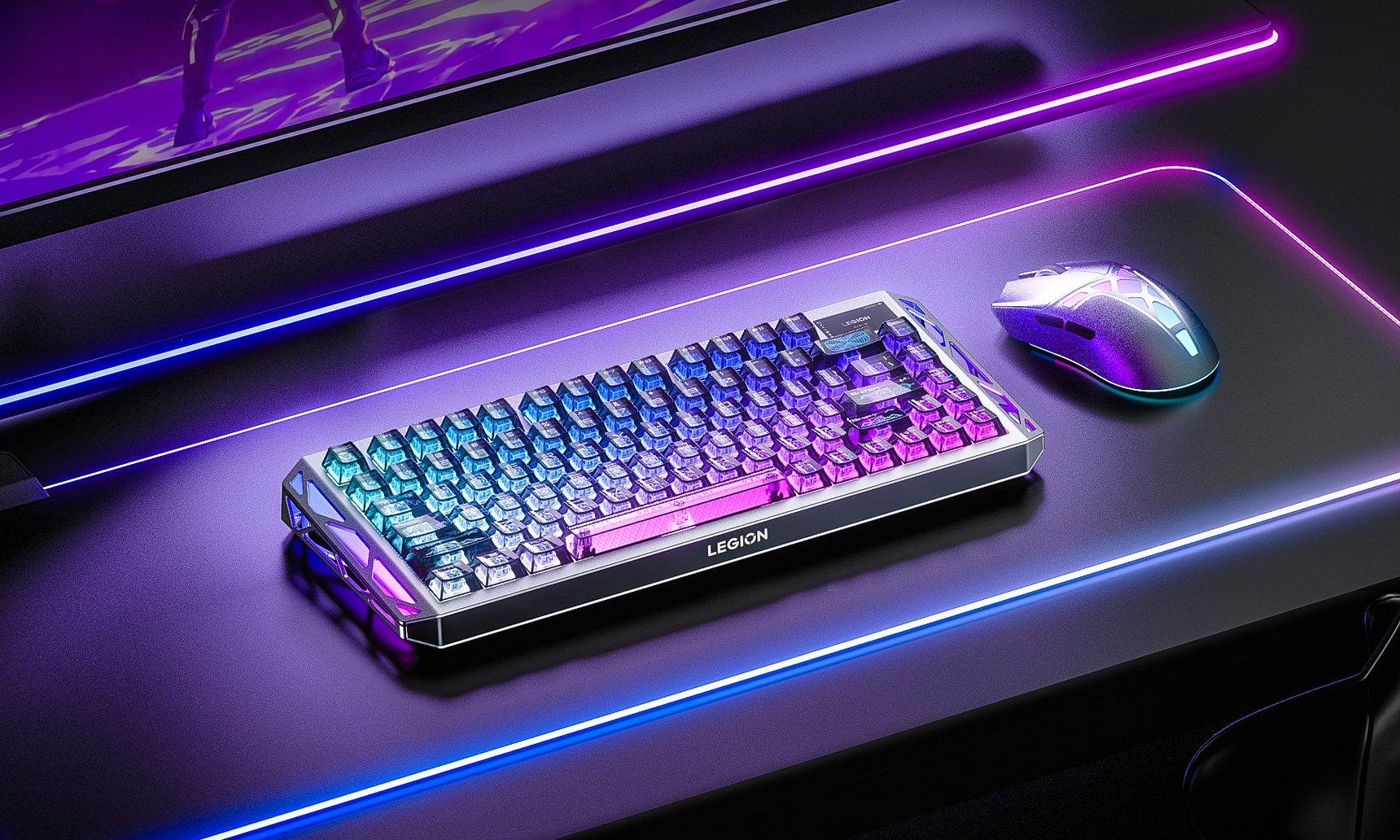
Magnetic gaming keyboards and lightweight mice are hardly unusual anymore, but Lenovo is trying to push both ideas a little further with its latest Legion peripherals. The new lineup includes the Legion R7 RT75 keyboard and Legion Y7MG mouse, and both support an 8,000Hz polling rate for players who want every input delivered to their PC as quickly as possible.

Of course, Lenovo has styled these peripherals to be as bold and eye-catching as possible without getting in the way of practicality. The keyboard has a hefty metallic design with translucent keycaps and RGB lighting. Compared to that, the mouse is more tame and traditional in design, but it also has an RGB strip that appears to belong on an alien spaceship. (via NotebookCheck)

Read more
Shopping for back-to-school? These are the budget laptops I’d actually recommend
From a $359 Chromebook to the cheapest way into macOS, these are the budget picks worth your money.
Computer, Electronics, Laptop

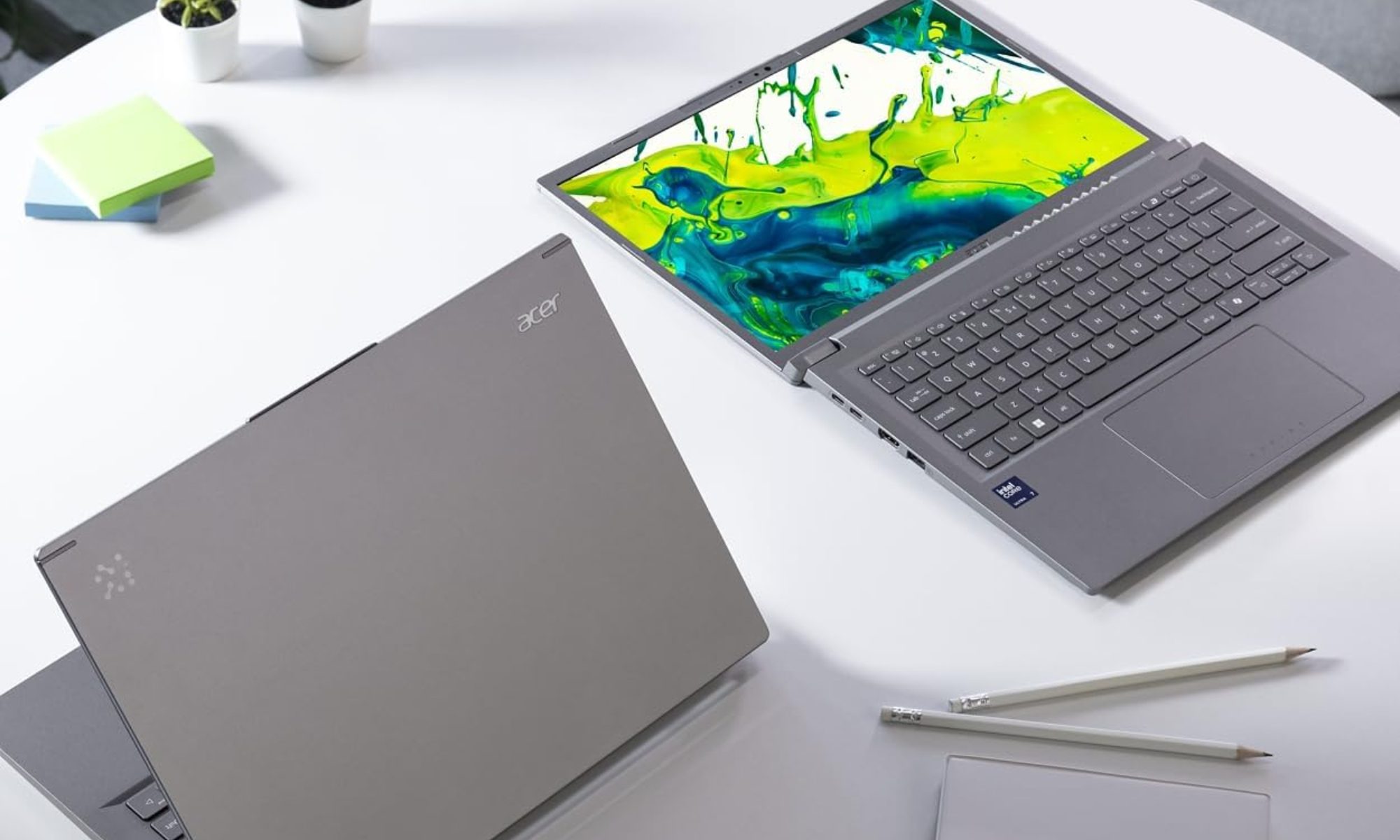
The back-to-school season often turns into a laptop, especially the budget ones that aren't too heavy on your wallet. Due to the ongoing memory crisis, most manufacturers have already bumped up their laptop prices, including Apple. However, that doesn't mean that I won't help you get a new machine. So, for this one, I spent time digging through spec sheets, customer ratings, and price tags, finding devices that don't just look cheap in an Amazon listing, but actually hold up. 

From a flexible touchscreen Chromebook to the least expensive way into macOS, these six laptops balance price and performance well. I'd hand any one of them to a student heading back to campus this fall, depending on what they need and what their priorities are. 

Read more