  1. Home
  2. Phones
  3. Business
  4. Mobile
  5. Social Media
  6. News

Digital Trends may earn a commission when you buy through links on our site. Why trust us?

Facebook will soon let everyone unsend messages, just like Zuckerberg

Add as a preferred source on Google
Image used with permission by copyright holder

Private messages from Facebook founder Mark Zuckerberg are disappearing mysteriously from Facebook Messenger inboxes — and soon, you’re going to be able to do exactly the same thing with your friends.

If you’re a user of Facebook Messenger, then you might be aware that while you can delete the messages that you send, that only removes the message from your copy of the conversation — anyone else in the conversation is still able to see it, whether that be a one-on-one or group conversation. Following the uproar around these deletions, Facebook has stated that it is developing an “unsend” option in Messenger, and that it will be available in a few months. Until that time, Facebook has also said it will not be deleting any more executive personal messages.

Recommended Videos

While Zuckerberg himself declined to comment on the situation, a Facebook representative clarified that the deletions concerned corporate security: “After Sony Pictures’ emails were hacked in 2014 we made a number of changes to protect our executives’ communications. These included limiting the retention period for Mark’s messages in Messenger. We did so in full compliance with our legal obligations to preserve messages.”

Essentially, Facebook appears to have put a retention timer on the messages of some executive members of staff, deleting them from the system after a certain amount of time has passed. Facebook security justification does stand up to scrutiny on the subject, as a standard message deletion would only remove the message from the sender’s account, and hackers could potentially access the inbox of the recipient in order to read the message and potentially make off with Facebook’s secrets.

While it’s certainly within Facebook’s rights to protect its corporate interests, this revelation comes at the wrong time for Zuckerberg’s company. The treatment, or mistreatment, of user data has been an issue on Facebook for a long time, but it has been recently thrown back into public attention by the actions of Cambridge Analytica, a company that is accused of abusing Facebook’s data to alter the public’s perceptions on key issues. In response, Facebook has altered the way it allows apps to gather data, but that doesn’t seem to be enough for various governments around the world, with many having launched investigations of the service.

Key to the issue is the control that Facebook has over the messages sent between users. While Facebook’s service is clearly under its own control, questions of user trust naturally arise when data is altered without user knowledge. With data becoming the currency of the new age, these questions will remain a central focus of public debate for some time yet.

Mark Jansen
Former Mobile Evergreen Editor
Mark Jansen is an avid follower of everything that beeps, bloops, or makes pretty lights. He has a degree in Ancient &…
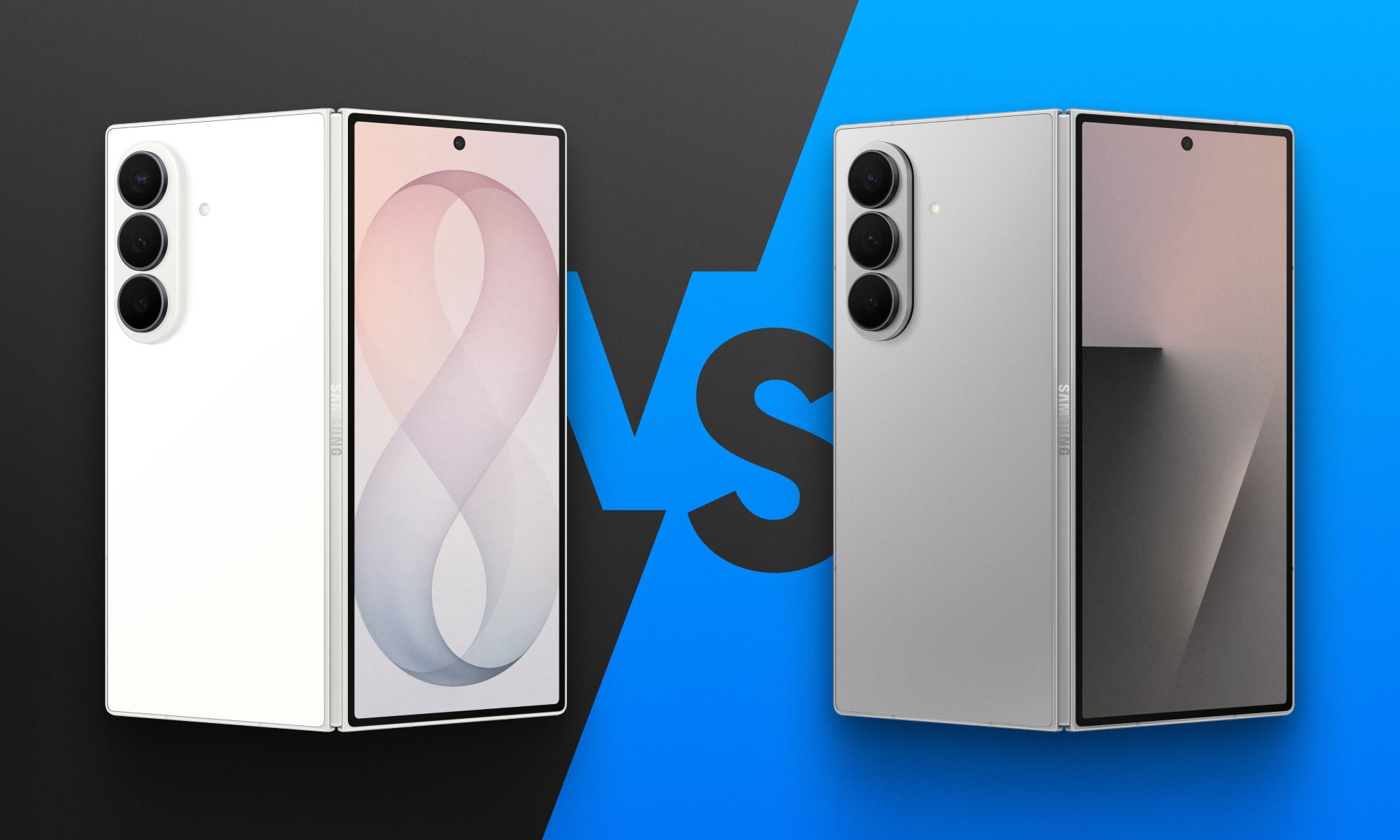
Fold 8 Ultra vs. Fold 7: Upgrades across the board, but is the Ultra really worth the upgrade?
From battery capacity to camera hardware, here's a full comparison between the Galaxy Z Fold 8 Ultra and Galaxy Z Fold 7, and whether upgrading actually makes sense.
Galaxy Z Fold 8 Ultra vs. Fold 7

Foldables age differently than regular smartphones or flagships. But why do I say this? It's the hinge and the foldable aspect that wins buyers over in the first place, not the specifications that get outdated every single year. That's precisely why anyone still carrying last year's Galaxy Z Fold 7 is asking a fair question today: does Samsung's freshly unveiled Z Fold 8 Ultra genuinely earn an upgrade, or does the Fold 7 still hold its ground?

And for shoppers who skipped last year's model entirely and are weighing their first foldable purchase, the calculus is totally different. A now-discounted Fold 7 might undercut the Ultra by a considerable sum, and that could matter to those looking to spend on the form factor, not the latest specifications. 

Read more
Samsung makes it easier to run multiple apps on Galaxy Z Flip 8’s cover screen
Samsung's Galaxy Z Flip 8 now runs 16 apps on its cover screen.
Galaxy Z Flip 8 cover display

Samsung is finally making the Galaxy Z Flip's cover screen much more useful. With the new Galaxy Z Flip 8, you no longer have to rely on workarounds to access more apps without unfolding the phone. Instead, Samsung has expanded native support on the FlexWindow, allowing 16 apps to run directly on the outer display and also making it much easier to launch virtually any other app.

The update addresses one of the biggest complaints Flip users have had for years and brings Samsung up to the level of rivals like Motorola, whose Razr series has long offered a more flexible cover screen experience.

Read more
Google just made switching from iPhone to Android much easier with Android 17
Android 17 can now transfer your passwords, passkeys, eSIM, and even your home screen.
Android-17-switch-ios-to-android

Moving from an iPhone to an Android phone has never been an easy process, but Google is trying to change that. With Android 17, the company has introduced a rebuilt Android Switch that can move far more of your data than any past version ever could.

Google worked with Apple to create the new transfer system from the ground up, allowing far more information to move wirelessly than before. The upgraded experience is already rolling out to eligible Pixel devices and is also available on Samsung's new Galaxy Z Fold 8 and Galaxy Z Flip 8 through Smart Switch.

Read more