1. Home
  2. Emerging Tech
  3. Cars
  4. News

Volvo has designed a self-docking system for yachts

Add as a preferred source on Google
Live demo of a self-docking yacht by Volvo Penta

We’re already working on self-parking cars, so why not take things a step further and investigate self-parking boats? Of course, the correct vernacular here isn’t “parking,” but rather “docking.” But semantics aside, Volvo — an expert on both land and water — has now designed a self-docking yacht. Because if you can afford a floating paradise, you shouldn’t have to worry about docking it on your own.

Recommended Videos

The newest solution from Volvo Penta builds upon the Volvo’s Group extensive research in the autonomous driving space. Already, the broader Volvo family has managed to produce prototype vehicles meant to be used in areas like mines and ports. So of course, developing a watercraft with similar autonomous capabilities didn’t seem like that big of a stretch. Indeed, Volvo Penta’s new self-docking solution is being called “another step forward in the development process for the group.”

Volvo recently showed off its new technology in the Gothenburg, Sweden, stopover of the Volvo Ocean race. In its live demo, Volvo showed off how a 68-foot yacht, outfitted with the autonomous technology, was able to maneuver itself into a tight space between two Volvo Ocean Race 65 racing yachts.

“Docking is one of the most challenging boat handling maneuvers – getting it wrong can be embarrassing, expensive, and precarious,” says Bjorn Ingemanson, President of Volvo Penta. “Our IPS system has already taken great strides in making docking easier, and this new self-docking feature takes that process one important stage further. Its sensors and on-board computers react in milliseconds to changing wind and sea conditions, constantly making micro adjustments in power and steering angle of the IPS drive to keep the boat on its intended course into a safe berth. If necessary, the docking process can be paused, and the system will hold the boat stationary in the water. Even in changing sea conditions it can make the sea appear to stand still.”

Of course, Volvo maintains that in order to guarantee the safety of the boat and its passengers, for now, the system is not meant to be entirely autonomous. While the technology should be able to dock a watercraft on its own, it also features surround sensors for anti-collision alerts and avoidance, and Volvo requires that a captain be at the ship’s helm during the entire docking process so that he or she can jump in if necessary.

It’s unclear when we can expect to see self-docking technology widely implemented, but for now, it’s good to know that the bright minds at Volvo are already thinking about it.


Lulu Chang
Fascinated by the effects of technology on human interaction, Lulu believes that if her parents can use your new app…
Yet another study says AI is bad for elections, and the rabbit hole gets worse
AI may be an election bomb waiting for someone to light the fuse
Voters cast their ballots on Election Day

Another election, another study has concluded that asking an AI chatbot for political guidance is a spectacularly bad idea. Research conducted during Hungary’s 2026 parliamentary election found that ChatGPT and Google Gemini offered not just inaccurate but also inconsistent and unreliable voting advice. The chatbots misclassified voter profiles, overlooked relevant parties, recommended parties absent from the ballot, and sometimes produced materially different answers when given the same information repeatedly.

AI keeps failing the voter test

Read more
Samsung’s humanoid robot ambitions are real, but factories come first
Samsung’s new robotics division has humanoids in its sights, although its immediate business is far more practical factory automation
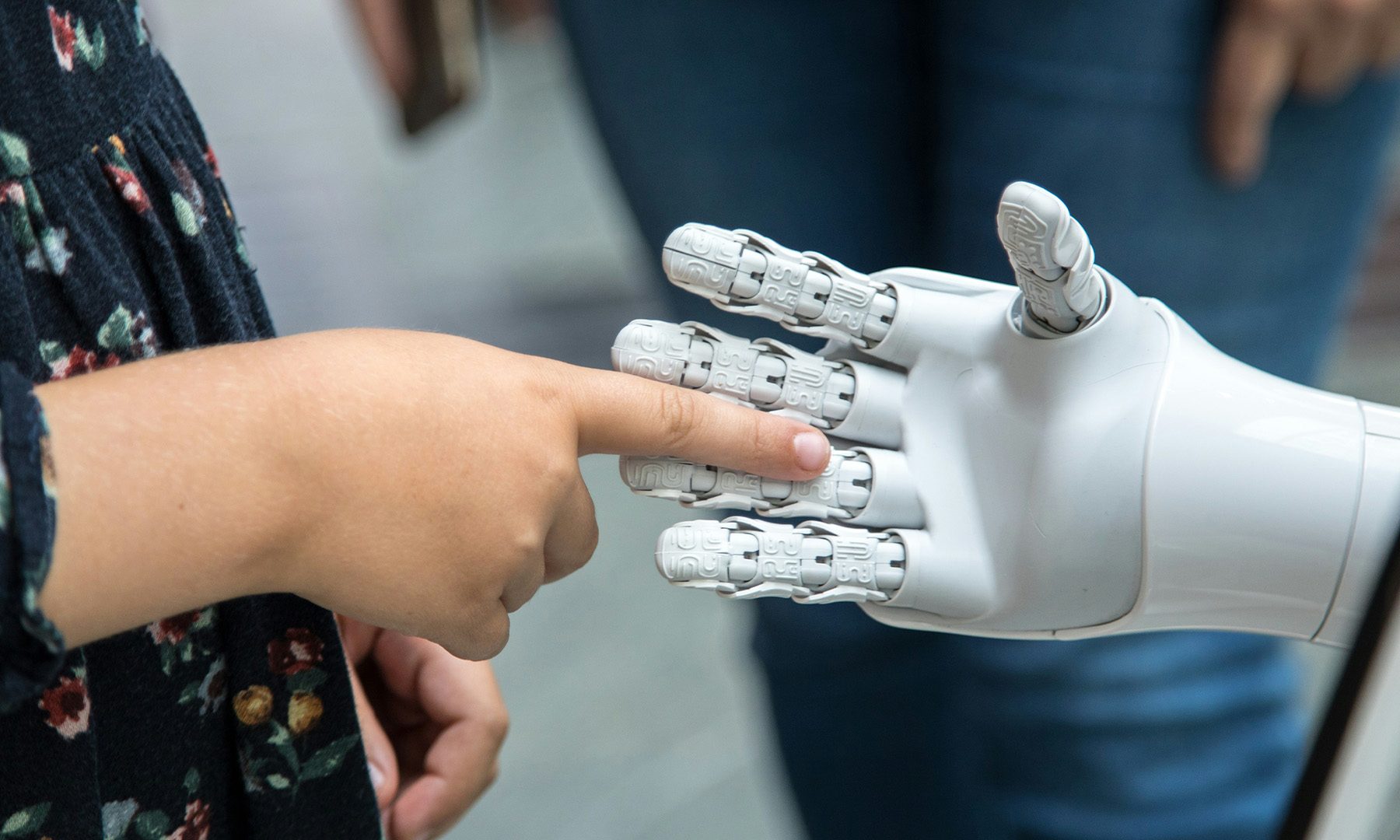
Robot Touch Human Finger

Samsung wants a place in the humanoid race, but its new robotics push begins with machines built for factories rather than homes.

The CEO-led RX robotics division will initially focus on manufacturing robots. Samsung has separately identified humanoids as a priority, although it hasn’t announced a commercial model or explained where one fits into the division’s immediate plans.

Read more
The future of AI may depend on this one behind-the-scenes change
Running Claude on Android.

Whenever a new AI model arrives, it's easy to get caught up in the bells and whistles. We talk about how much smarter it is, how quickly it answers questions, or how realistic its images have become. But here's the thing: none of that matters much if the AI can't reliably work with the apps and services people use every day.

That's why an upcoming update to the Model Context Protocol (MCP) caught my attention. It isn't a new chatbot or a fancy AI model. In fact, most people will never even know it's happening. But it could quietly make the AI ecosystem a lot healthier. If you've never heard of MCP before, don't worry. Think of it as a shared language that lets AI assistants safely talk to apps like Gmail, Slack, calendars, databases, and countless other services. Instead of every company inventing its own way to make those connections, MCP gives everyone a common rulebook.

Read more