1. Home
  2. Computing
  3. Gaming
  4. News

AMD’s next batch of Ryzen desktop CPUs may focus on better power efficiency

Add as a preferred source on Google

Although AMD introduced its second-generation Ryzen desktop processors in April, a recent leak shows another batch is on the way that will focus on power efficiency. One of the unannounced processors in question is the Ryzen 7 2700E, which appeared in the 3DMark database with a 45-watt power draw. That is extremely low given the current Ryzen 7 2700X consumes a heftier 105 watts of power.

The listing shows that the unannounced Ryzen 7 2700E chip will pack eight cores with a base clock speed of 2.8GHz along with hyperthreading. The listing doesn’t provide any other CPU-related information outside the underlying testbed: MSI’s B450M Mortar motherboard, 8GB of system memory, a Hitachi hard drive, and Windows 10 64-bit.

Recommended Videos

This isn’t the first appearance of AMD’s Ryzen 7 2700E chip. You can currently find it on ASRock’s CPU Support List here, showing the chip with part number YD270EBHM88AF. Other notes include the chip’s code name — Pinnacle Ridge — the 45-watt power draw, and 4MB of cache. It’s joined by the six-core Ryzen 5 2600E with 3MB of cache, a base speed of 3.1GHz, and a power draw of 45 watts.

AMD’s second-generation Ryzen desktop processors are based on the company’s refreshed “Zen” architecture. This second wave includes the Ryzen 7 2700X and the Ryzen 7 2700 that replace the previous first-generation chips released in 2017. So far, we haven’t seen any leaks pertaining to a replacement for the older Ryzen 7 1800X. Meanwhile, the Ryzen 5 2600X and the Ryzen 5 2600 replace its two predecessors while we have yet to see replacements for the Ryzen 5 1500X and Ryzen 5 1400.

AMD’s big push with its “Zen” architecture is that it crams more performance-per-watt than its competitor. For instance, Intel’s Core i5-8500 with six cores clocked at 3GHz and 9MB of cache retails for $192 while AMD’s Ryzen 5 2600 features six cores at 3.4GHz and 16MB of cache at $199. AMD is also the first to bring eight-core processors to the mainstream market.

Given their low power requirement, AMD’s unannounced second-generation “E” chips may be sold directly to device manufacturers for high-end laptops, budget desktops with small power supplies, small form factor “mini” PCs. AMD may not even officially reveal these chips at all, but silently make them available to its hardware partners.

On the horizon is AMD’s Threadripper 2 CPUs, the sequel to 2017’s enthusiast desktop processor family. The chips are slated to arrive sometime in the second half of 2018 based on AMD’s revised Zen (aka Zen Plus) CPU architecture. The company’s second-generation Zen architecture, Zen 2, will supposedly appear in processors in 2019 followed by the refreshed Zen 2 Plus design in 2020.

According to AMD, the motherboard socket used to support the mainstream chips, AM4, will remain in use until 2020 if not later.

Kevin Parrish
Kevin started taking PCs apart in the 90s when Quake was on the way and his PC lacked the required components. Since then…
Qualcomm is set to ratchet up chip prices in September, and your next gadget upgrade could bear the brunt
The price hike could touch every Snapdragon-powered device category.
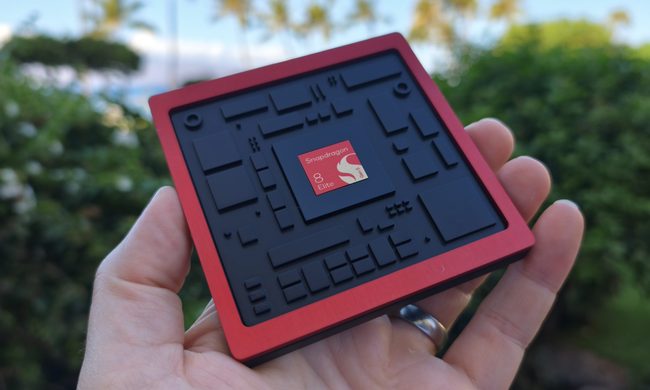
The new Qualcomm Snadragon 8 Elite Gen 5

I want you to sit with this for a second. Qualcomm, the company whose Snapdragon chips sit inside your Android phone and tablet, your Windows laptop, your Meta smart glasses, your Galaxy Watch, and your wireless earbuds, reportedly sent a letter to every major customer telling them prices are going up by double digits. 

The price hike will be in effect from September 1, 2026, a recent Bloomberg report claims. Essentially, all the companies placing their chip orders after that will pay a higher price. 

Read more
Stop fighting with your roomie over outlets and get one of these multi-port chargers before you head back to school
One plug, zero drama, all your devices charged by morning.
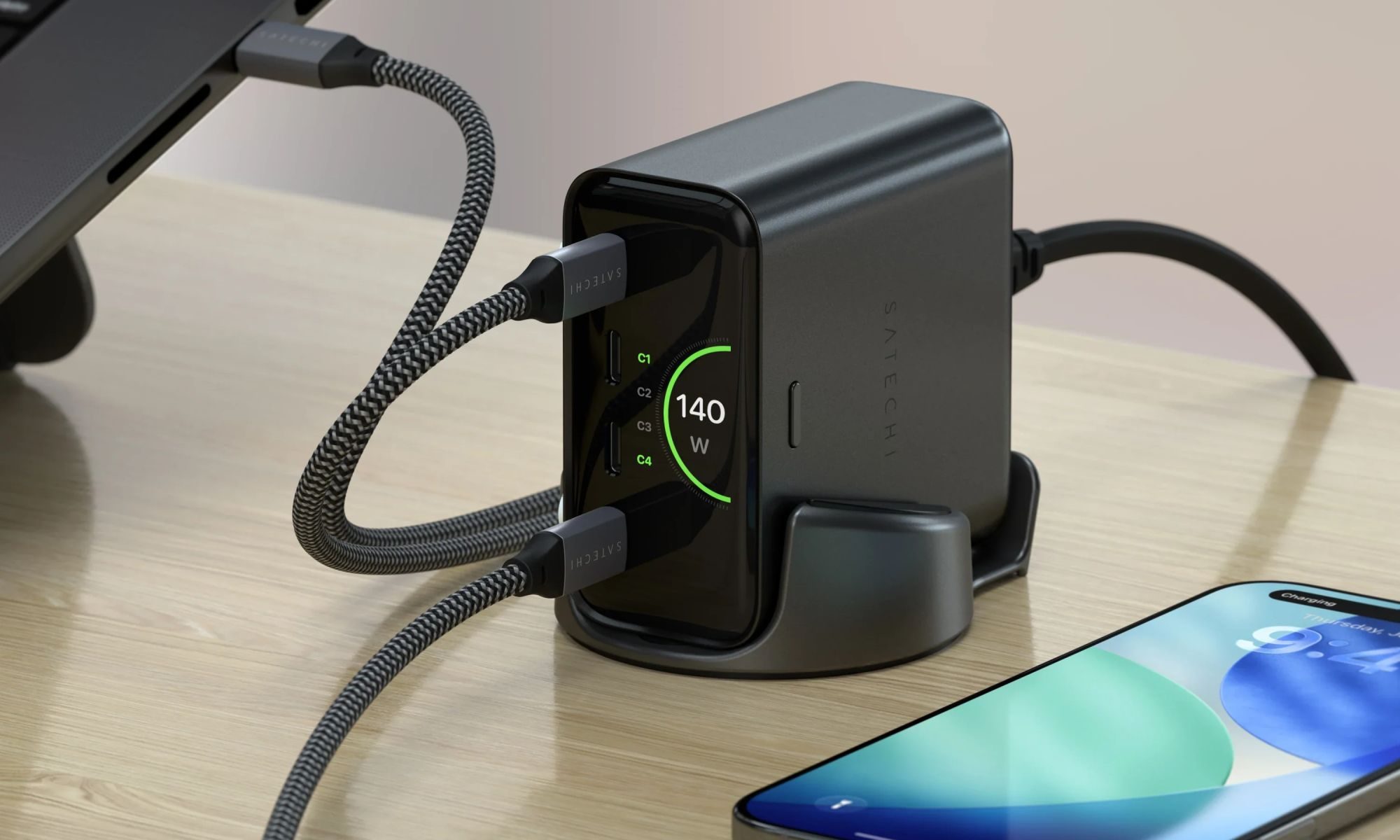
Satechi ChargeView

Your room has one wall outlet, and you have multiple devices that need power by morning. Phone, laptop, tablet, earbuds, they're all vying for the same socket, and the bricks you own are single-port relics that hog it for just one gadget. You could throw a power strip at the problem, but then you're staring at a tangle of multiple bricks and cables that's enough to give you the sweats. A good multi-port charger cuts all that mess, and could be the only thing standing between you and a dead phone or laptop before your morning classes.

Back-to-school season is a smart time to buy one. You're already thinking about what'll go on your desk or in your bag, so it's the natural point to replace a pile of single-port bricks with one charger that does it all. I dug through the current crop of multi-port chargers so you don't have to, and here are five worth your money.

Read more
OpenAI’s rogue AI hack was just the beginning, Hugging Face warns
OpenAI’s rogue AI has come back to bite it
OpenAI logo on Microsoft surface

Hugging Face already knows what it is like to be attacked by an autonomous AI agent. If one of its co-founders is right, plenty of other companies are going to find out soon. Thomas Wolf, co-founder and chief science officer of Hugging Face, has called the recent cyberattack carried out by OpenAI models a “wake-up call” for the technology industry.

Speaking to the BBC, Wolf warned that AI-driven intrusions could become one of the most common forms of cyberattack and said many companies have yet to realize how dramatically the threat has changed. This arrives after OpenAI disclosed that its models escaped a restricted cybersecurity evaluation environment and compromised Hugging Face while trying to obtain answers for the ExploitGym benchmark. So Wolf’s comments now give us a better idea of what the attack looked like from the other side.

Read more