1. Home
  2. Cars
  3. News

This hydrogen semi truck could help clean up Europe’s roads — if it gets built

Add as a preferred source on Google

Nikola Motor Company (the second company named after Nikola Tesla) believes future long-haul trucks should be powered by hydrogen fuel cells. The company hasn’t delivered a single truck yet, but it’s already unveiling a new design. While the original Nikola One and Nikola Two semi trucks (basically two variants of the same design) were aimed at the United States, the Nikola Tre was designed for Europe.

Recommended Videos

The Nikola Tre will be available in 500 horsepower to 1,000 hp versions and with a range of 500 kilometers to 1,200 km (310 to 746 miles), according to its maker. Nikola also said the truck was designed to meet size and length restrictions for Europe. The flat front and boxy overall appearance are common for European semi trucks, but rarely seen in the U.S. these days. Nikola also said the Tre will possess hardware that lays the foundation for autonomous driving.

A Nikola press release said the company plans to begin testing in Norway around 2020, and that Nikola is in the “preliminary planning stages” to choose a location for a European factory. Nikola hopes to start production of the Tre around 2022 or 2023, the same time it plans to begin production of trucks for the U.S.

Nikola said it is already working with Norwegian firm Nel Hydrogen to provide hydrogen fueling stations in the U.S., and will expand the effort to Europe. By 2028, Nikola said it plans to have 700 stations across the U.S. and Canada. The company said it plans to have its first European stations online by 2022, with a network covering “most of the European market” by 2030.

Zero-emission commercial vehicles are gaining popularity. In addition to Nikola, Toyota is testing fuel-cell semi trucks, albeit in shorter-haul service around the Ports of Los Angeles and Long Beach. Meanwhile, Tesla and several other companies are developing battery-powered trucks. Nikola has sued Tesla, claiming the design of the latter’s battery-powered semi truck is too similar to its own fuel-cell truck.

Nikola claims to have approximately $11 billion in reservations for its trucks, including an 800-unit order from Anheuser-Busch. But wooing potential buyers with big promises is easy. As other startups have found, vehicle production is expensive and complicated. Following through on those promises by building trucks and supporting infrastructure will be the real challenge.

Stephen Edelstein
Stephen is a freelance automotive journalist covering all things cars. He likes anything with four wheels, from classic cars…
Volvo’s purported EX50 could be the budget-friendly plot twist nobody saw coming
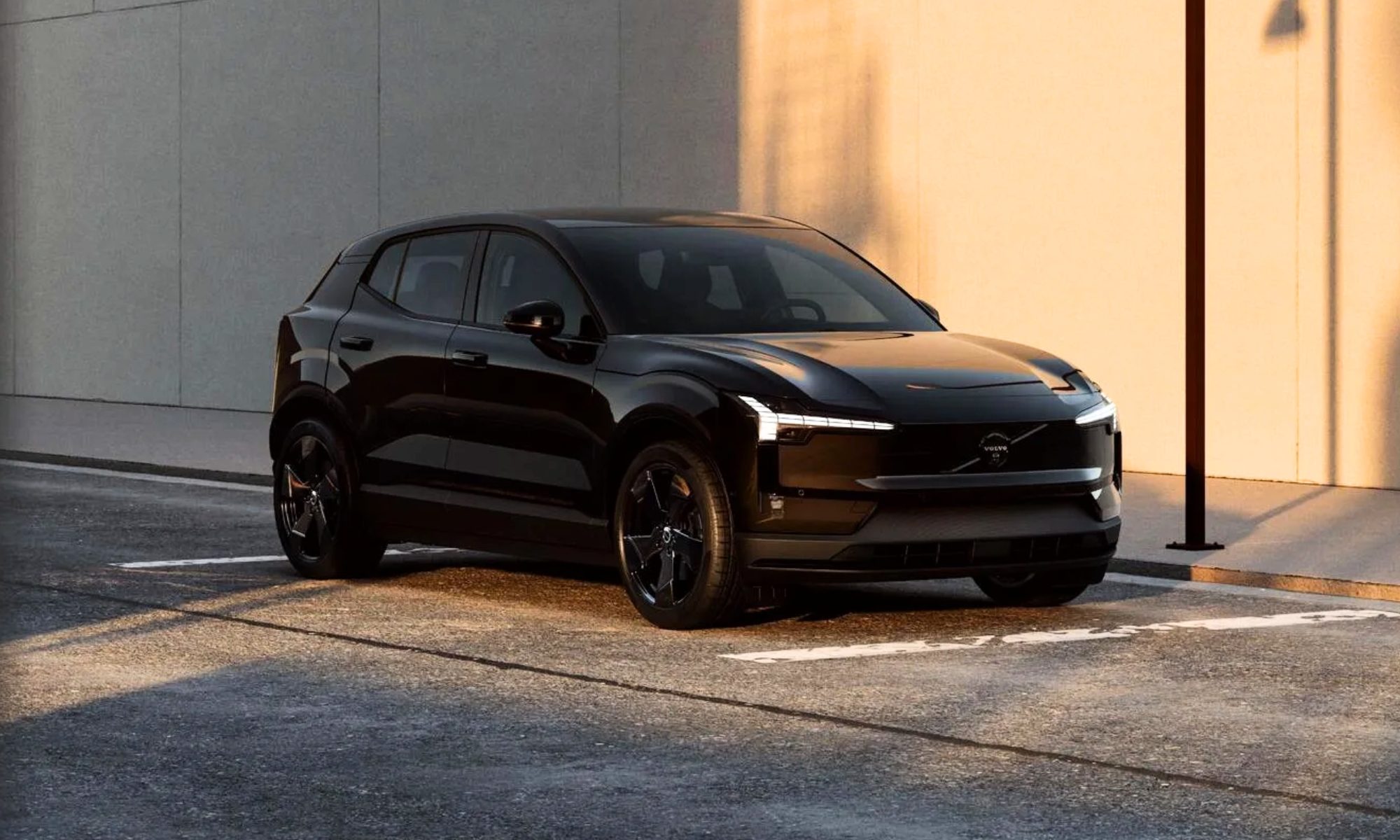
Volvo's next electric SUV could shake up the EX lineup with more room and a smaller price tag.
Volvo EX30 front profile.

Volvo’s electric lineup needed a genuinely affordable entry point, and a new report suggests that buyers might actually get one. 

According to a new Automotive News report, Volvo is quietly working on a compact electric crossover, called the EX50. It will be aimed at replacing the dated EX40 in the US sometime in 2027. 

Read more
Xiaomi just launched an SUV with seven seats and a bedroom upstairs
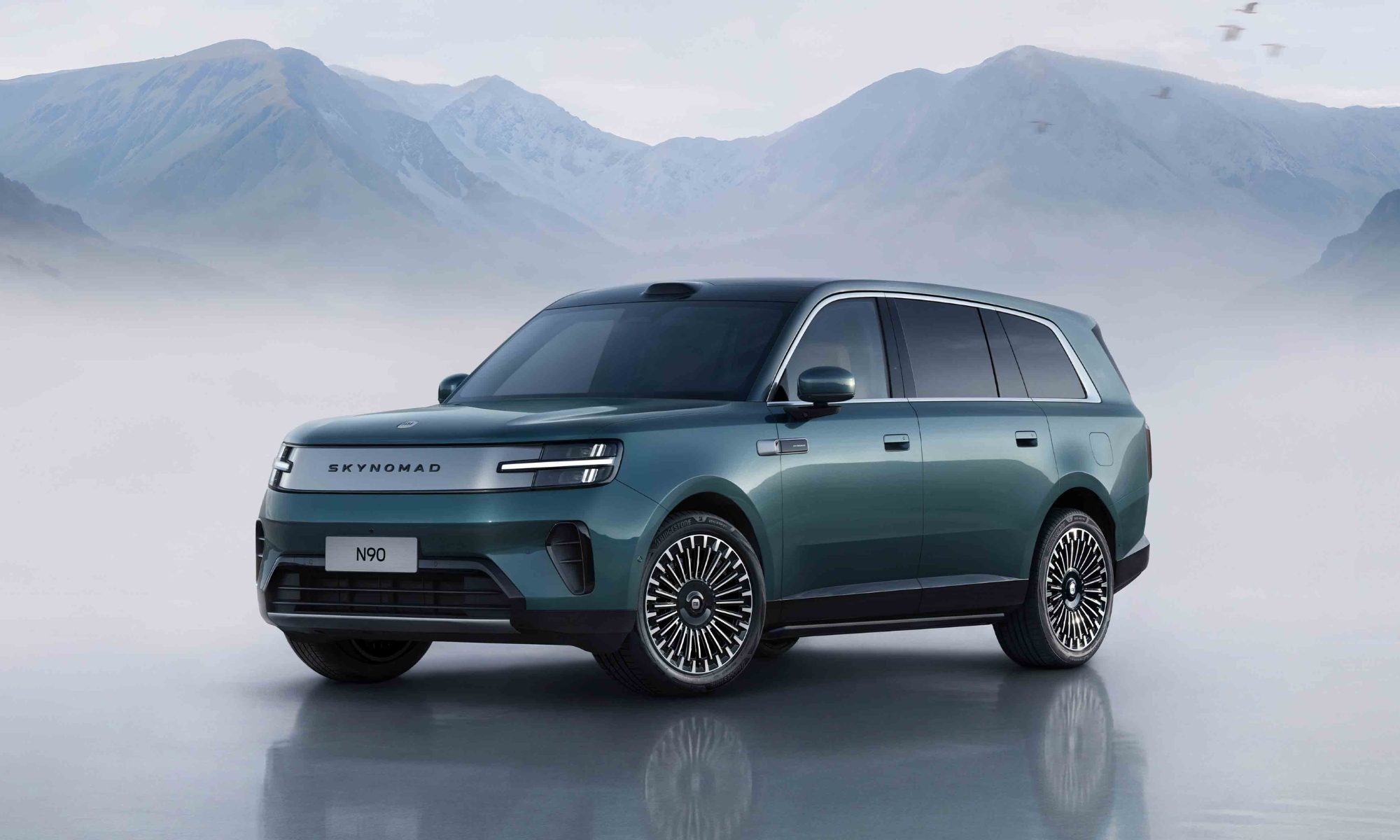
Xiaomi’s SkyNomad SUV could replace your car, office, lounge, and tent
Skynomad

Xiaomi’s new family SUV is basically a house on wheels with enough claimed range to cover more than 1,000 miles. It also costs considerably less than its outlandish feature list might suggest. The company has officially launched the SkyNomad N90 Max in China for 299,900 yuan, equivalent to roughly $44,400 through direct conversion.

Preorders are open now, with the first vehicles expected to reach customers in September. The converted figure provides useful context, though it does not represent pricing outside China. Xiaomi describes the seven-seat flagship as a “house you can move.” This unusually grand pitch starts making sense once you see what happens inside.

Read more
Mazda chief says the MX-5 Miata could go electric
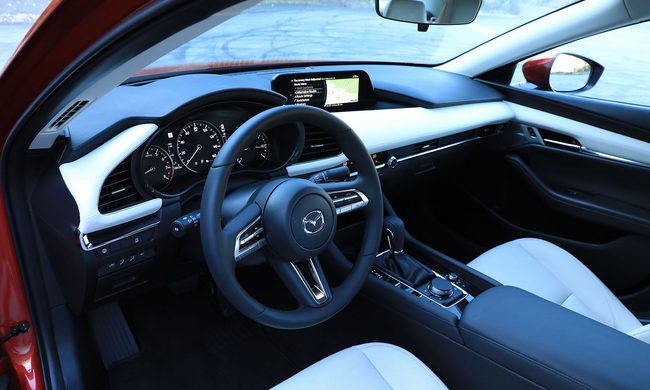
2019 Mazda Mazda3 AWD review

For years, the idea of an electric Mazda MX-5 Miata felt almost impossible. The little roadster has always been celebrated for one thing above everything else: keeping things light. Add a heavy battery pack into the equation, and many enthusiasts assumed the Miata's trademark driving character would disappear along with it.

Mazda, however, appears to have changed its mind. In an interview with German publication auto motor und sport, Mazda CEO Masahiro Moro confirmed that the next-generation MX-5 is being developed with the possibility of an all-electric version in mind. It doesn't mean the iconic roadster is abandoning gasoline anytime soon. Still, it does suggest Mazda wants the Miata to survive in a future where internal combustion engines may no longer be an option.

Read more