  1. Home
  2. Emerging Tech
  3. Health & Fitness
  4. Wearables
  5. News

This implant goes beyond pacemakers, helps aging hearts beat more vigorously

Add as a preferred source on Google
Impulse Dynamics

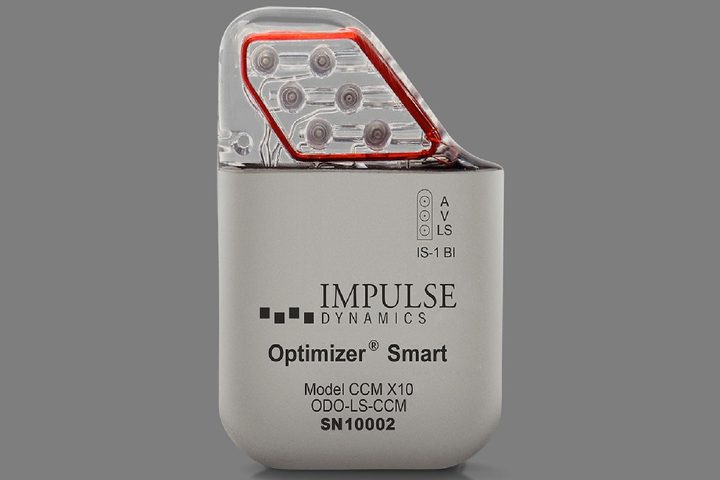
The U.S. Food and Drug Administration’s (FDA) advisory committee has voted to recommend an innovative pacemaker-style gadget be approved in the United States. Created by German company Impulse Dynamics, the Optimizer Smart Implantable Pulse Generator is a medical device that’s implanted under the right clavicle, with electrodes extending into the heart wall. Unlike regular pacemakers (which regulate slow heart rates) or implantable defibrillators (which use low-energy jolts to rest irregular heart rhythms), this device uses high-energy pulses to boost failing heart muscle tissue.

This technique, intended to increase the strength with which the heart muscle can contract, is referred to as cardiac contractility modulation (CCM) therapy. In essence, it boosts the performance, strength, and pumping ability of weakened heart chambers. And hopefully saves lives in the process.

Recommended Videos

According to a report by IEEE Spectrum, up to one quarter of patients with heart failure considered moderate-to-severe could be candidates for the type of therapy the Optimizer Smart Implantable Pulse Generator provides. However, it would only be called into action when all the standard approaches (in this case, beta blockers and other drug treatments) have not been sufficiently successful.

Despite its impressive abilities, recommending the Optimizer Smart Implantable Pulse Generator for approval doesn’t appear to have been an easy decision. Although the Circulatory Systems Device Panel voted 12 to 0 (with one abstention) that it was sufficiently safe, this was no guarantee. The device has been available in Europe for a while, but has been a long time coming to the U.S. Trials that started in 2005 and 2011 didn’t result in it immediately being cleared. But analysis from Europe has indicated that the device can reduce heart-related hospitalizations by around 75 percent. Afterward, the device can show sustained improvements in quality of life for at least two years. Ultimately, it appears that the evidence presented was sufficient to win over the FDA’s advisory committee.

Of course, the advisory committee’s recommendation is only that: Advice. Should the FDA grant official approval for the Optimizer Smart Implantable Pulse Generator, it is likely that post-approval studies will be needed for patients. The advisory committee suggests that these last from 3 to 5 years.


Luke Dormehl
I'm a UK-based tech writer covering Cool Tech at Digital Trends. I've also written for Fast Company, Wired, the Guardian…
Yet another study says AI is bad for elections, and the rabbit hole gets worse
AI may be an election bomb waiting for someone to light the fuse
Voters cast their ballots on Election Day

Another election, another study has concluded that asking an AI chatbot for political guidance is a spectacularly bad idea. Research conducted during Hungary’s 2026 parliamentary election found that ChatGPT and Google Gemini offered not just inaccurate but also inconsistent and unreliable voting advice. The chatbots misclassified voter profiles, overlooked relevant parties, recommended parties absent from the ballot, and sometimes produced materially different answers when given the same information repeatedly.

AI keeps failing the voter test

Read more
Samsung’s humanoid robot ambitions are real, but factories come first
Samsung’s new robotics division has humanoids in its sights, although its immediate business is far more practical factory automation
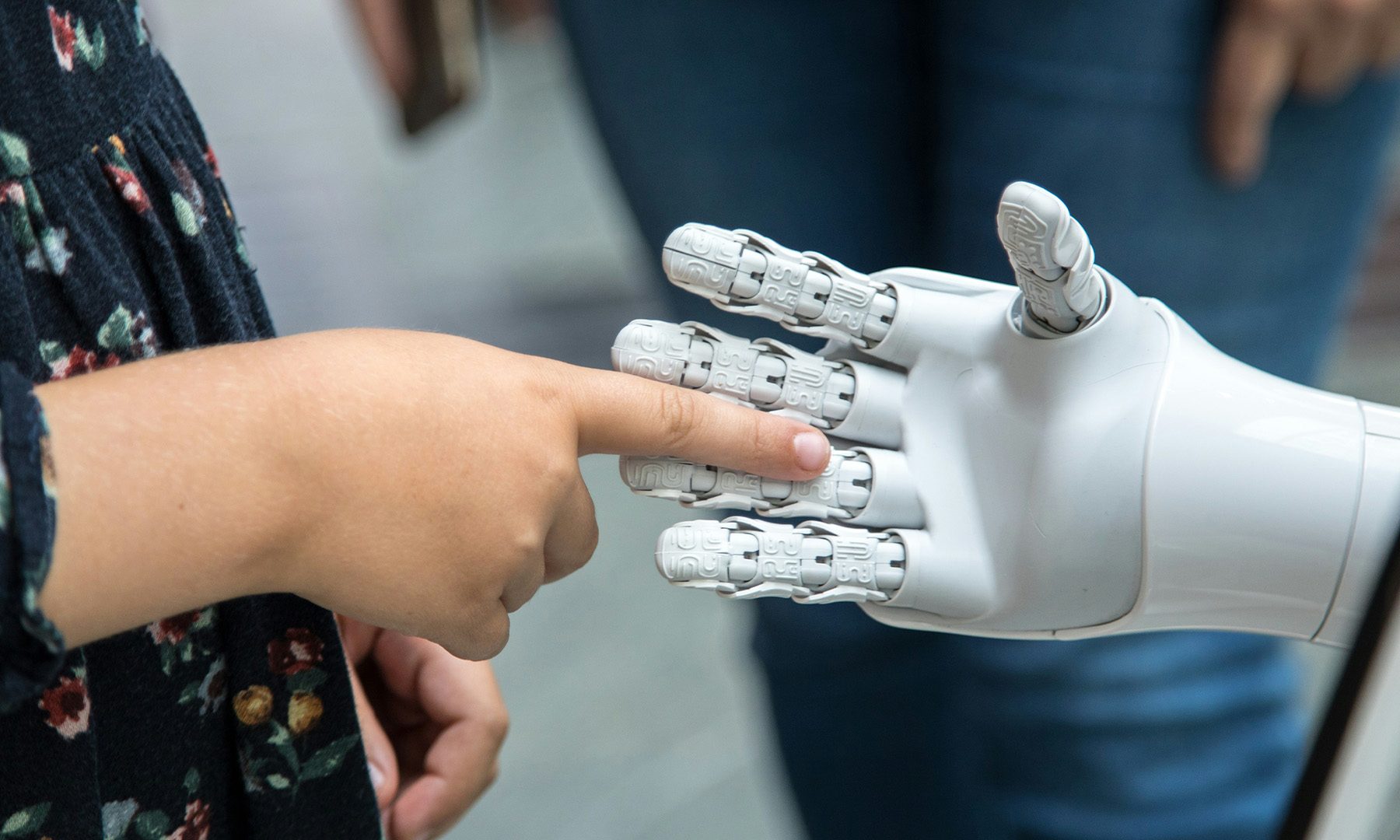
Robot Touch Human Finger

Samsung wants a place in the humanoid race, but its new robotics push begins with machines built for factories rather than homes.

The CEO-led RX robotics division will initially focus on manufacturing robots. Samsung has separately identified humanoids as a priority, although it hasn’t announced a commercial model or explained where one fits into the division’s immediate plans.

Read more
The future of AI may depend on this one behind-the-scenes change
Running Claude on Android.

Whenever a new AI model arrives, it's easy to get caught up in the bells and whistles. We talk about how much smarter it is, how quickly it answers questions, or how realistic its images have become. But here's the thing: none of that matters much if the AI can't reliably work with the apps and services people use every day.

That's why an upcoming update to the Model Context Protocol (MCP) caught my attention. It isn't a new chatbot or a fancy AI model. In fact, most people will never even know it's happening. But it could quietly make the AI ecosystem a lot healthier. If you've never heard of MCP before, don't worry. Think of it as a shared language that lets AI assistants safely talk to apps like Gmail, Slack, calendars, databases, and countless other services. Instead of every company inventing its own way to make those connections, MCP gives everyone a common rulebook.

Read more