1. Home
  2. Cars
  3. News

Renault-Nissan-Mitsubishi group uses Microsoft cloud platform for connected cars

Add as a preferred source on Google
2019 Nissan Leaf e+
Image used with permission by copyright holder

The Renault-Nissan-Mitsubishi Alliance is launching a new cloud platform for connected-car services, and it’s relying on Microsoft to do that. The Franco-Japanese automotive conglomerate’s Alliance Intelligent Cloud will be based on Microsoft Azure, and will launch on new vehicles in Japan and Europe later this year. Plans for the United States have not been confirmed.

“Today, we are deploying a vehicle connectivity platform that will transform the digital experience for customers of Renault, Nissan, and Mitsubishi,” Kal Mos, the company’s head of connected vehicles, said in a statement. The Alliance Intelligent Cloud will be used to enable telematics services and over-the-air software updates (à la Tesla), as well as connect cars to so-called “smart cities” infrastructure. It will also function as a means of harvesting and analyzing data for businesses operating fleets of vehicles.

Recommended Videos

The Alliance Intelligent Cloud will debut later on this year on the Nissan Leaf and Renault Clio in Japan and Europe. No plans for adding the platform to Mitsubishi models were discussed, but that will likely occur at a future date as Mitsubishi updates its aging lineup and begins sharing more components with its larger siblings.

The alliance announced plans to partner with Microsoft in 2016. It will be the third automaker to use Microsoft Azure as the basis for a connected-car platform, following BMW and Volkswagen. Ford previously partnered with Microsoft on its Sync infotainment systems, but then switched to Blackberry’s QNX platform.

Connecting cars to the cloud allows automakers to offer more data-based services to customers, such as real-time traffic and point-of-interest information. But it may not stop there. General Motors Marketplace allows drivers to buy things like fuel and coffee from their dashboards, creating a lucrative opportunity for automakers and any companies willing to partner with them (even if it may contribute to driver distraction).

Connectivity could also be important for self-driving cars, since it will allow operators to manage whole fleets of them in ridesharing or delivery services. Those are likely to be the two main applications for autonomous cars, at least initially. Companies like Ford and Waymo are already trialing those services.

Stephen Edelstein
Stephen is a freelance automotive journalist covering all things cars. He likes anything with four wheels, from classic cars…
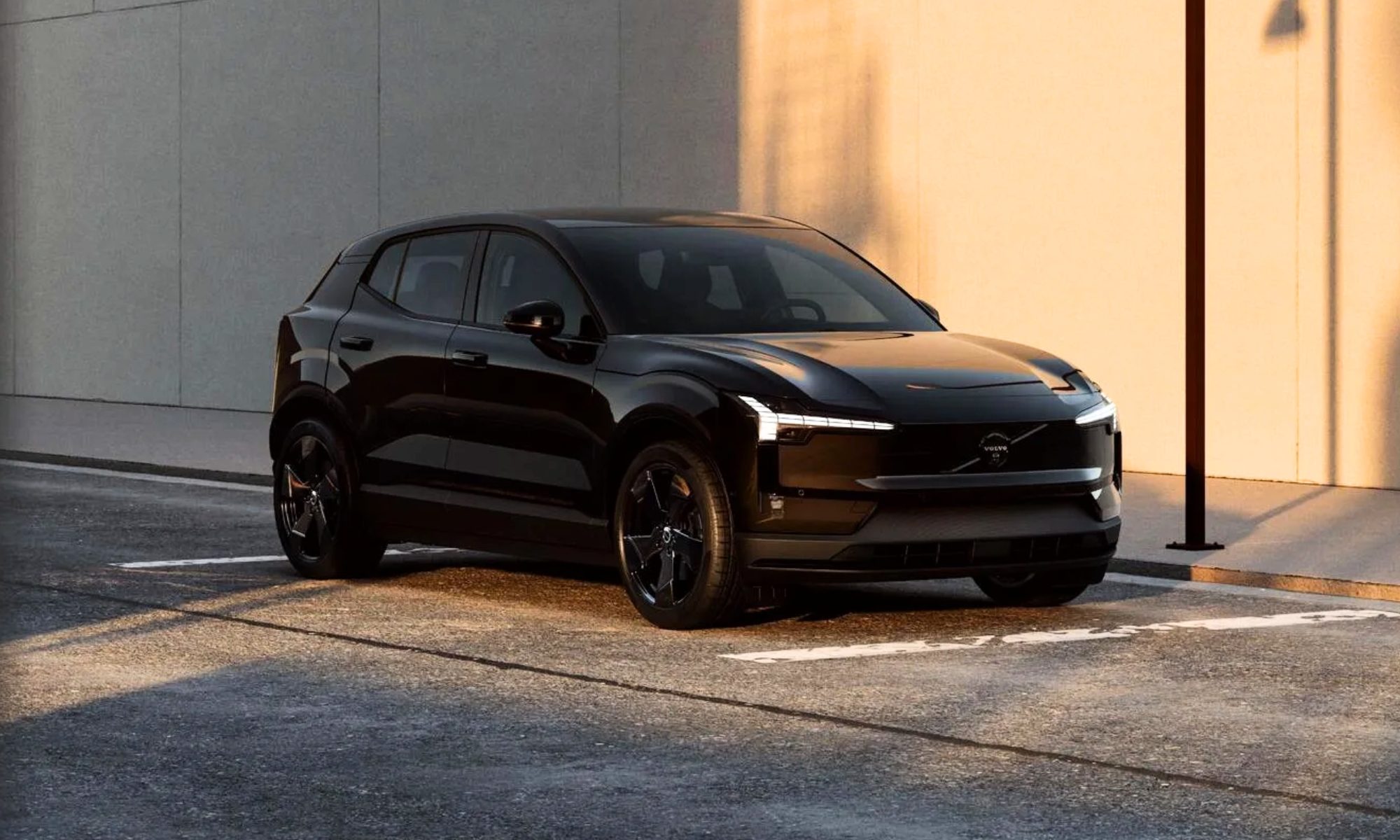
Volvo’s purported EX50 could be the budget-friendly plot twist nobody saw coming
Volvo's next electric SUV could shake up the EX lineup with more room and a smaller price tag.
Volvo EX30 front profile.

Volvo’s electric lineup needed a genuinely affordable entry point, and a new report suggests that buyers might actually get one. 

According to a new Automotive News report, Volvo is quietly working on a compact electric crossover, called the EX50. It will be aimed at replacing the dated EX40 in the US sometime in 2027. 

Read more
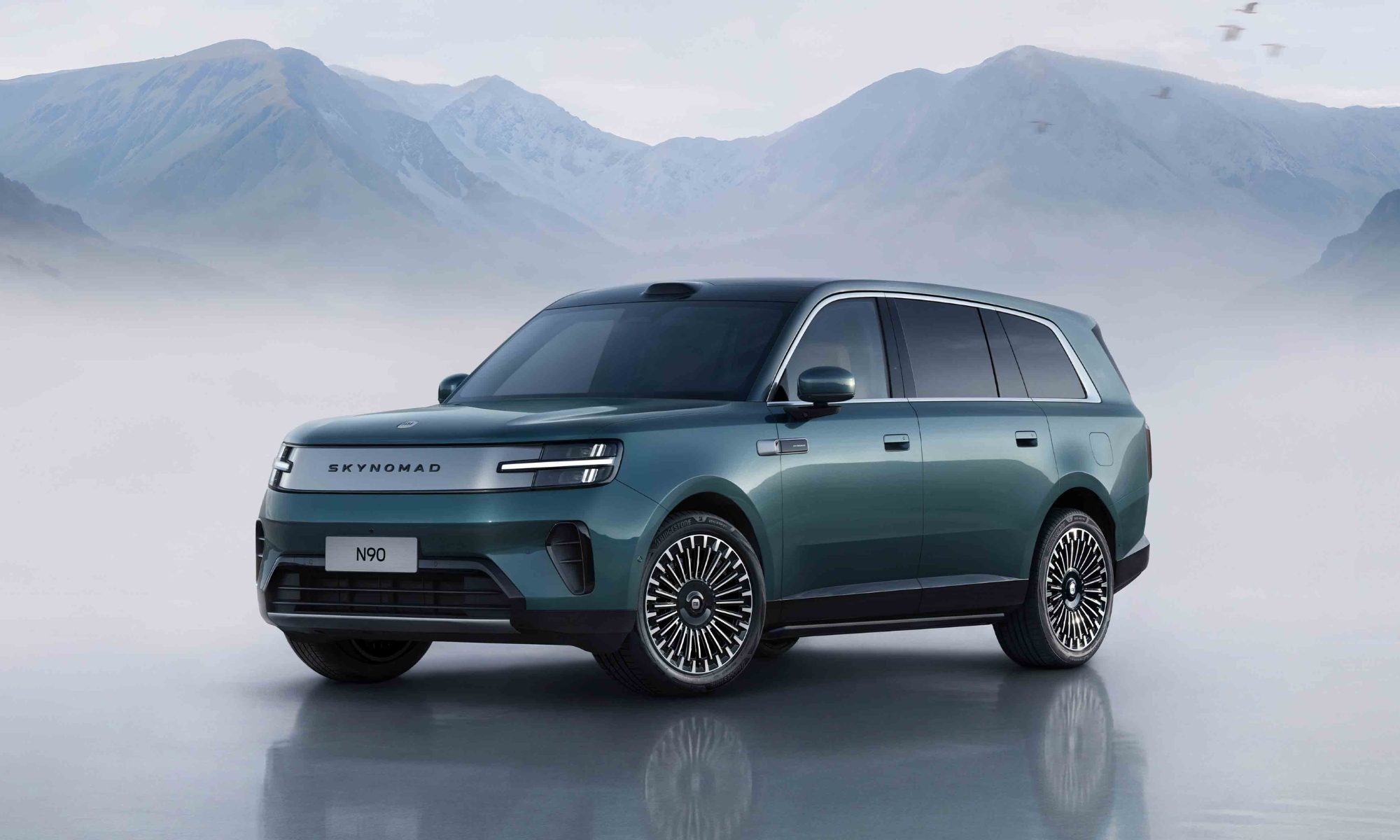
Xiaomi just launched an SUV with seven seats and a bedroom upstairs
Xiaomi’s SkyNomad SUV could replace your car, office, lounge, and tent
Skynomad

Xiaomi’s new family SUV is basically a house on wheels with enough claimed range to cover more than 1,000 miles. It also costs considerably less than its outlandish feature list might suggest. The company has officially launched the SkyNomad N90 Max in China for 299,900 yuan, equivalent to roughly $44,400 through direct conversion.

Preorders are open now, with the first vehicles expected to reach customers in September. The converted figure provides useful context, though it does not represent pricing outside China. Xiaomi describes the seven-seat flagship as a “house you can move.” This unusually grand pitch starts making sense once you see what happens inside.

Read more
Mazda chief says the MX-5 Miata could go electric
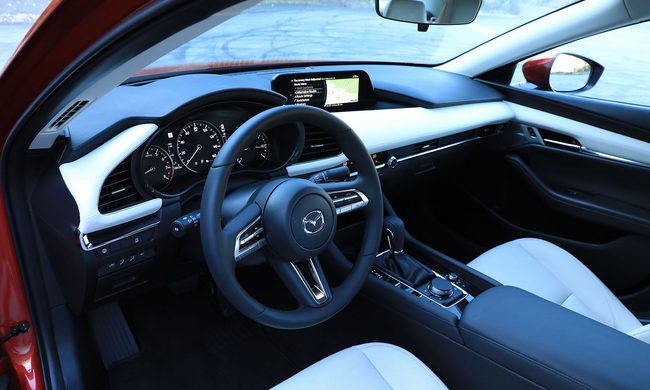
2019 Mazda Mazda3 AWD review

For years, the idea of an electric Mazda MX-5 Miata felt almost impossible. The little roadster has always been celebrated for one thing above everything else: keeping things light. Add a heavy battery pack into the equation, and many enthusiasts assumed the Miata's trademark driving character would disappear along with it.

Mazda, however, appears to have changed its mind. In an interview with German publication auto motor und sport, Mazda CEO Masahiro Moro confirmed that the next-generation MX-5 is being developed with the possibility of an all-electric version in mind. It doesn't mean the iconic roadster is abandoning gasoline anytime soon. Still, it does suggest Mazda wants the Miata to survive in a future where internal combustion engines may no longer be an option.

Read more