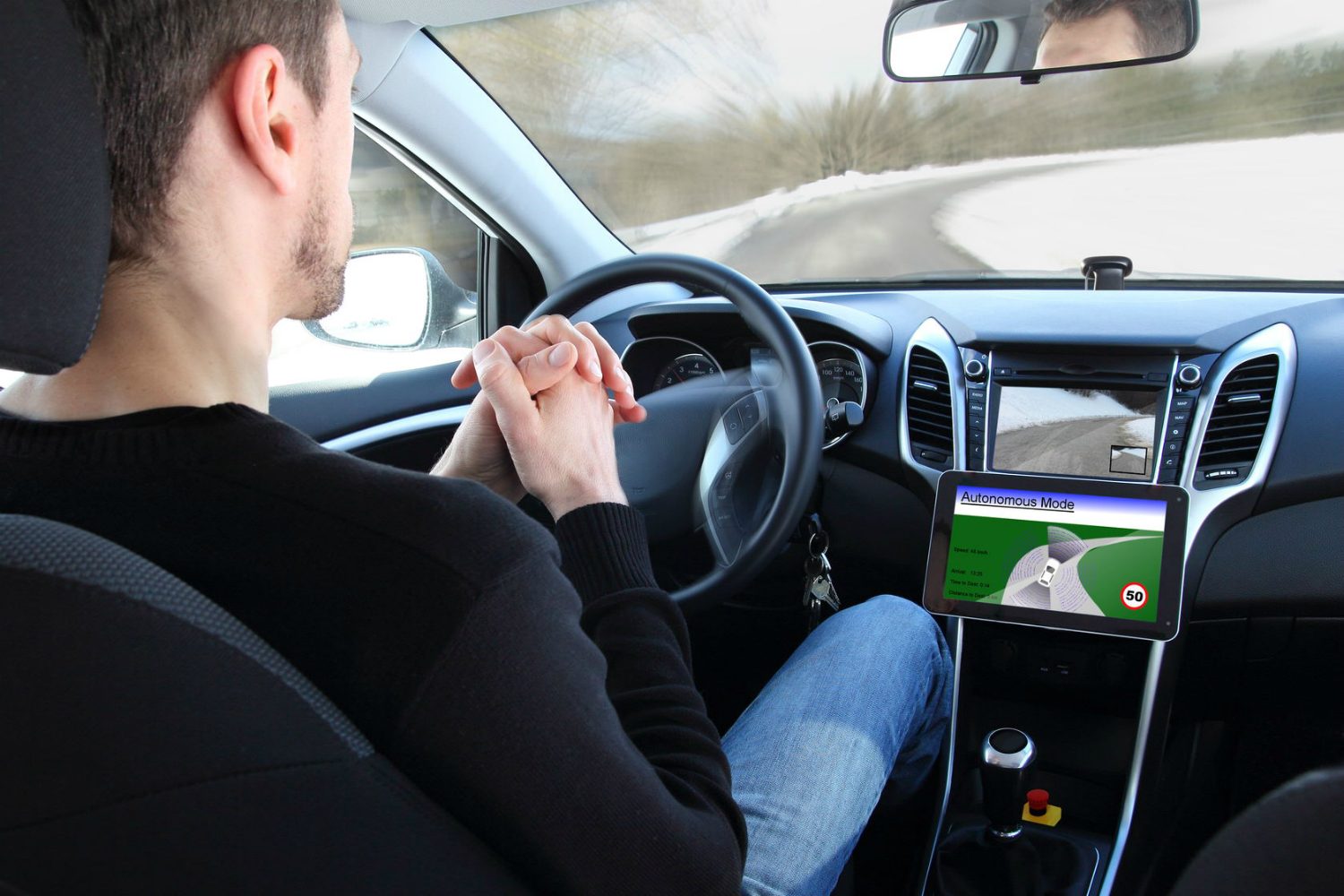
Some people love the idea of self-driving cars, while other people find the concept terrifying or creepy. A new survey has revealed that the biggest difference between these groups is not whether or not they think self-driving cars are cool, or how open they are to new technology in general, but rather whether they believe machines can outperform humans in driving tasks specifically.
The researchers surveyed 404 participants through the Mechanical Turk crowdsourcing website, collecting information on their demographics as well as their opinions about self-driving cars. They found that acceptance of self-driving cars was related to beliefs about their safety and was negatively influenced by the “creep factor” of seeing a car without a driver.
Additionally, men were more likely to be accepting of self-driving cars than women, and liberals were significantly more accepting of them than conservatives.
But the biggest factor in whether self-driving cars were accepted was whether the person believed that a machine could drive better than a human could. This is termed “posthuman ability” and was twice as strong as other factors in terms of acceptance of the technology.
“In this study, the strongest predictor for accepting self-driving cars was posthuman ability, the belief that computers can surpass humans in this particular task,” Andrew Gambino, a doctoral candidate in mass communication and the lead author of the study, said in a statement. “We have come to a point now where we should no longer be talking about machines approximating humans in their ability, but, rather, outperforming humans. In the sense of safety, in reliability, in doing tasks without becoming tired, there are many arguments to be made that machines have transcended human abilities.”
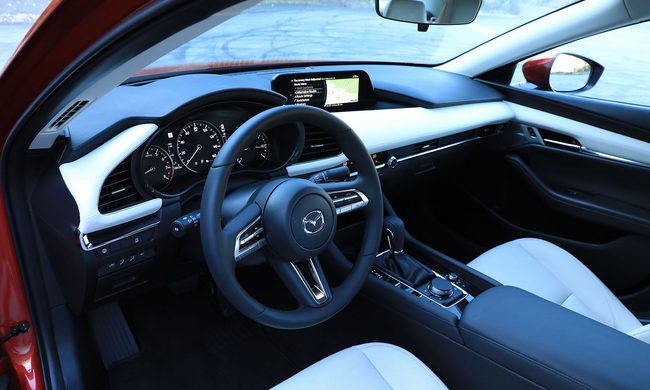
The study could be used to inform the design of future cars in a way that makes them more acceptable to the masses. Rather than trying to imitate the requirements of a human driver, like a steering wheel, designers could use the space to show passengers information that the car is collecting, such as data about other vehicles and their speeds.
“Designers may need to think in a different way, for example there’s no need to design in-car and dashboard interfaces based on what a human driver would normally use,” S. Shyam Sundar, James P. Jimirro Professor of Media Effects and affiliate of Penn State’s Institute for CyberScience, said in the same statement.
“Keep in mind, the participants also say they like the agency and convenience of autonomous vehicles and they do like the fun aspect as well, so the designer might want to add features on the dashboard that can bump up those things, including gamifying the transportation experience.”
The findings were shared this week at the ACM CHI Conference on Human Factors in Computing Systems held in Glasgow, U.K.