1. Home
  2. Phones
  3. Mobile
  4. News

7-Eleven’s mobile payment app shut down after hackers nab $500K from customers

Add as a preferred source on Google

Keen to jump on the mobile payments bandwagon, 7-Eleven’s Japanese business recently launched 7Pay for customers looking for a quick and easy way to purchase items in-store.

But just days after the system went live at the beginning of last week, a number of customers started complaining that they were being charged for items they hadn’t bought.

Recommended Videos

The company has now suspended use of its mobile payment service while it investigates 7Pay’s security procedures, or lack thereof. In a statement released at the end of last week, 7-Eleven admitted that hackers had accessed the app and made bogus transactions affecting 900 customers to the tune of $506,000.

On Saturday, July 6, the Japan Times reported the arrest of two Chinese men who may be connected to the hack, with one of them suspected of attempted fraud after paying 730,000 yen (about $6,750) to purchase nearly 150 cartons of e-cigarette cartridges from a 7-Eleven store in Tokyo, allegedly using stolen IDs.

7Pay working using a bar code that appeared on the customer’s smartphone, with a cashier scanning it to charge the cost of the items to the customer’s linked debit or credit card.

But a report by ZDNet said the app was so poorly designed that it allowed anyone with knowledge of a customer’s email address, date of birth, and phone number to take over an account.

The hacker did this by using the data to reset an account’s password, with the reset link able to be sent to the hacker’s email address instead of the account owner’s. The hacker could then take control of the account.

The suggestion is that hackers automated the attack using information gathered in previous online security breaches targeting Japanese databases.

The alarming ease with which hackers were able to exploit 7Pay prompted the Japanese government to get involved, with the Ministry of Economy, Trade, and Industry accusing 7-Eleven of failing to properly adhere to guidelines preventing such unauthorized access. The company, which operates more than 20,000 stores in Japan, has apologized for the mishap and promised to fully reimburse those affected.

The 7Pay incident brings to mind another mobile payment breach several years ago when the now-defunct CurrentC system was targeted by hackers during its testing phase. Whether 7Pay will be resurrected with much-improved security or ends up going the same way as CurrentC remains to be seen.

Trevor Mogg
Contributing Editor
Not so many moons ago, Trevor moved from one tea-loving island nation that drives on the left (Britain) to another (Japan)…
Xiaomi beats Samsung to become the first non-Pixel phone with stable Android 17
The stable Android 17 rollout begins with Xiaomi's latest flagship, putting it ahead of Samsung and other rivals.
Xiaomi 17 Ultra

Android 17 rolled out to Pixel phones last month, and if you were hoping your non-Pixel Android phone would catch up anytime soon, you might have to wait. Samsung is still running the One UI 9 in Public beta, and most other manufacturers haven't even announced when their skins will get the Android 17 treatment. 

So it's a genuine surprise that Xiaomi, of all companies, just jumped the queue. Xiaomi has started rolling out HyperOS 3 updates based on stable Android 17, and it's currently limited to the Xiaomi 17 series.

Read more
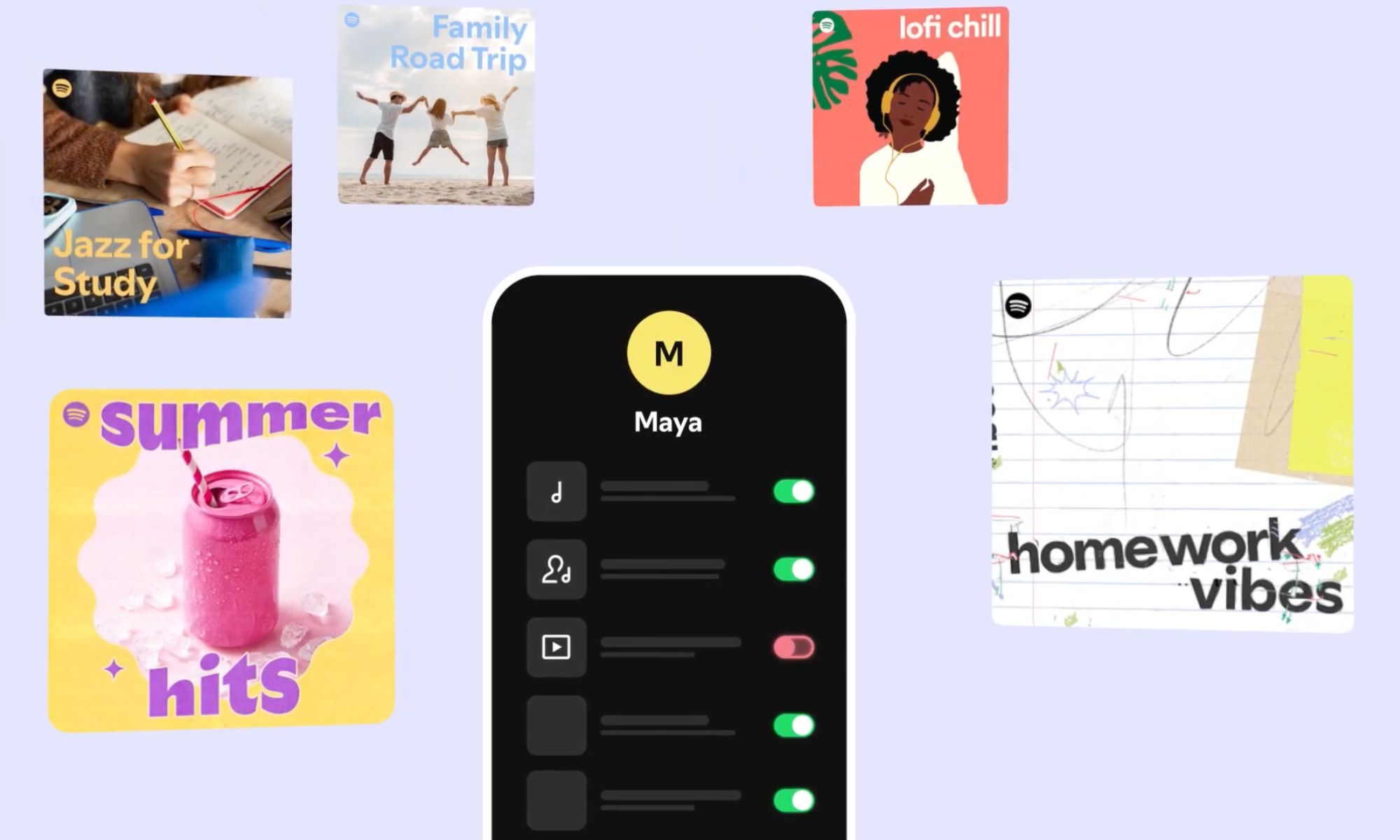
Your child can now get a free Spotify account with parental controls
Kids get personalized playlists and Wrapped summaries with Spotify's new free managed accounts.
spotify-kids-free-account

Parents no longer need to pay for a premium plan to give their kids a safe Spotify account. The company announced it is expanding free managed accounts to every subscription tier, starting immediately in the US, UK, Australia, France, Germany, and the Netherlands. Combined with earlier rollouts, managed accounts are now live in 16 countries total. Spotify says more countries are coming soon.

What can kids do with a managed account?

Read more
China approves Apple Intelligence for iPhones, with Alibaba, Baidu emerging as partners
Apple Intelligence finally gets a passport to China
A promo picture of Apple Intelligence.

Apple Intelligence has finally found a way through China’s regulatory maze--and all it took was nearly two years after it brought the AI suite to iPhone users elsewhere. China’s Cyberspace Administration has registered Apple Intelligence for use on iPhones in the country, clearing the main regulatory hurdle preventing its release. The approval creates a path for Apple to deploy its generative AI tools on Chinese devices. Now, the only wait is for regulators and Apple to provide a launch date.

Alibaba and Baidu are the new AI partners

Read more