If we’re ever to see fully autonomous cars tootling along our streets, they’re going to have to be able to handle extreme weather conditions such as rain, snow, and fog.
Much of the testing on public roads today is happening in places like Arizona. The mostly bright and dry weather there allows autonomous-car companies to focus on honing the core technology that powers their vehicles, but the next stage is to advance that technology so the vehicles can deal competently and safely with inclement weather.
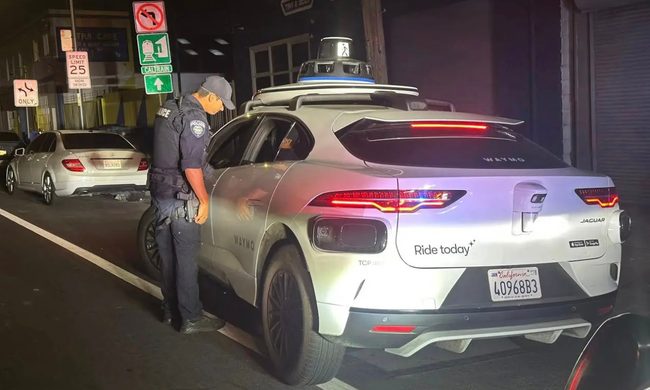
With that in mind, one of the leaders in the self-driving sector, Alphabet-owned Waymo, is taking some of its autonomous Chrysler Pacifica and Jaguar I-Pace vehicles to Florida for testing in heavy rain during the hurricane season.
“Heavy rain can create a lot of noise for our sensors [and] wet roads also may result in other road users behaving differently,” Waymo wrote in a blog post this week. “Testing allows us to understand the unique driving conditions, and get a better handle on how rain affects our own vehicle movements, too.”
Waymo will begin by putting its vehicles on a closed course in Naples, Florida to test its sensor suite, which includes lidar, cameras, and radar. Then, after several weeks, it plans to take its vehicles onto public roads in Miami, one of the wettest cities in the U.S. with an average rainfall of 61.9 inches annually.
For safety purposes, they’ll first be operated manually by Waymo test drivers, enabling the vehicles’ on-board computers to gather useful data relating to performance in real-world conditions. Some of the vehicles will also spend time on highways between Orlando, Tampa, Fort Myers, and Miami, the company said.
Waymo has already tested the ability of its technology to handle rain with trials in Washington but, if past years are anything to go by, Florida will present the most challenging conditions to date when it comes to harsh weather.
The company has logged more than 10 millions miles of testing on public roads since the project began under sister-company Google in 2009. In December 2018 Waymo became the first company to charge people for ridesharing services using autonomous vehicles, though a human safety driver is still required to be behind the wheel in case of any issues on the road.
While huge progress has been made in the field of autonomous-car technology in recent years, more research and development is required to ensure that the vehicles are able to comfortably handle a myriad of scenarios, both on the road and weather-related.
The scale of the challenge was underscored recently by another leader in the field, General Motors-backed Cruise, which said in July 2019 that it would have to delay the launch of a planned robo-taxi service as it needs to carry out further road tests of its autonomous technology.