Updated October 18, 2019: Added new pricing and features for Roku’s Streaming Stick+.
Roku has updated two of its most popular streaming devices for 2019, including a refresh of its top-of-the-line Roku Ultra and, at the other end of the spectrum, its 1080P Roku Express. The company announced the new products in mid-September, along with an update to Roku OS version 9.2, which begins rolling out to users starting in October with some fun new features, including some brand-new ways to search for your favorite films. Here’s what you need to know.
Hardware updates
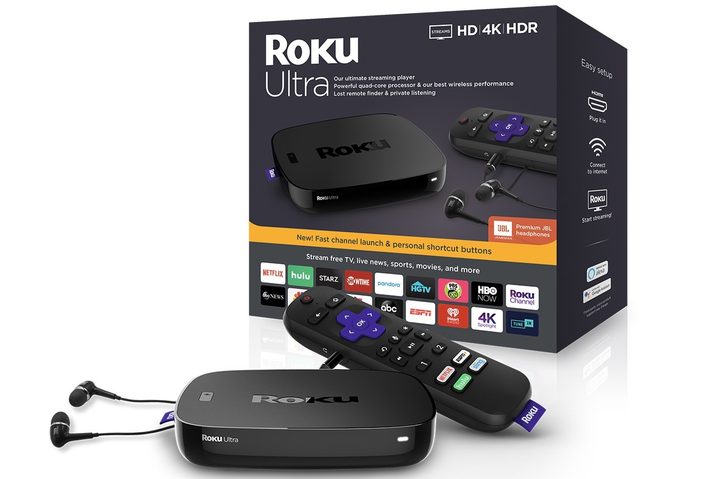
On the hardware side of things, you won’t notice much of a change unless you look closely at the Roku Express and Ultra streamers.
The $30 Roku Express has been put on a diet of sorts, and is now 10% smaller according to the company. It’s still only for streaming in 1080p, but it includes everything you need, including a basic Roku remote and HDMI cable, and you can now power it from an available USB port on a TV.
The $100 Ultra, by comparison, gets more bells and whistles. Roku claims the top 100 Roku channels now launch 17% faster, and some popular live-streaming TV apps have been improved by up to 33%. Perhaps most notable, the Ultra’s remote now features two customizable shortcut buttons that can be programmed to jump to a favorite streaming app, turn subtitles on or off, and more
Another noteworthy change: Best Buy’s exclusive $60 Roku Streaming Stick+ HE version comes with a headphone-capable remote (plus Roku headphones) while the standard Roku Streaming Stick+ drops to just $50 and gains a mute button on its remote.
Also important is the phasing out of Roku’s regular Streaming Stick and the capable Roku Premiere+, as the line slims down for the coming year.
Unfortunately, Roku is sticking to its guns on its decision not to support Dolby Vision or HDR10+ on any of its stand-alone streaming devices (some TCL Roku TVs support Dolby Vision).
Here’s the full lineup:
- $30 Roku Express
- $40 Roku Express+ (Walmart exclusive, comes with a Roku Voice remote)
- $40 Roku Premiere: 4K and HDR streaming
- $50 Roku Streaming Stick+: Portable 4K and HDR, long-range wireless, and a Roku Voice remote with TV volume and mute controls
- $60 Roku Streaming Stick+ HE: Includes the Enhanced Roku Voice Remote with a headphone jack and Roku headphones
- $80 Roku Ultra LT: Another Walmart exclusive, with 4K and HDR streaming, Ethernet, 802.11ac MIMO dual-band wireless, an Enhanced Roku Voice remote with TV controls. and Roku headphones
- $100 Roku Ultra: 4K and HDR, fast wireless, fast channel launch, personal shortcut and mute buttons, plus JBL Headphones
Roku OS 9.2
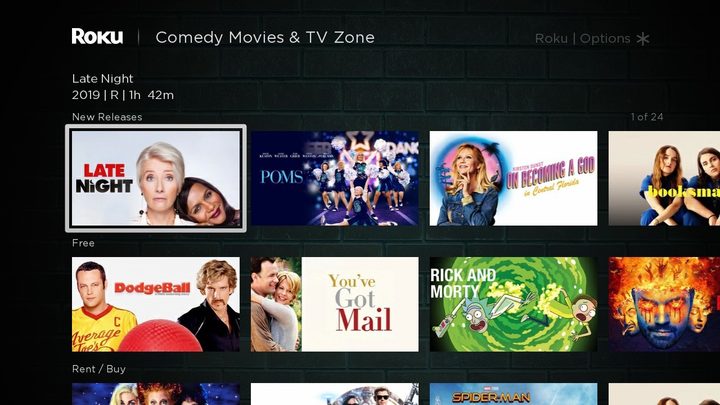
Version 9.2 will offer advanced search, including Roku Zones designed to make it easier to search for movies by genres including Horror, Comedy, and even 4K — which should be a boon to anyone who has trouble finding good stuff to watch on their new 4K Ultra HD TV.
Zones are constantly refreshed with the latest content, from multiple channels (i.e., apps), with all of them tagged so you can see where each movie or show is available. Each row in a Zone is browsable, making the interface look a lot more like those from Netflix, Amazon Prime Video, and Android TV.
There’s also a new way to find a movie without even knowing the title or any of the actors — all you need to know is a famous quote. Thousands of highly popular quotes from top movies have been added to Roku’s search engine, which means, for example, if you say the words “need for speed,” you’ll be directed to Top Gun as a matching result.
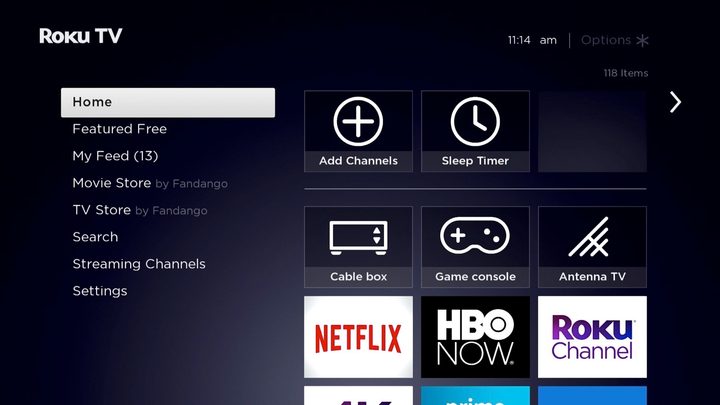
In addition to Zones and quote-based movie search, you’ll see the following improvements:
- Voice search playback: If you know exactly what you want to watch and where, this feature sends you directly to the video. “Play Brooklyn Nine-Nine on Hulu” for instance, will take you right to the show and service, beginning where you left off.
- Faster initial setup, and faster channel and video launching.
- Shortcuts: Add quick links to commonly used channels in the main menu.
- The ability to use your voice to set a sleep timer on compatible Roku TVs.
- A new Roku tips and tricks channel that will help you learn more about your device
Roku has not yet announced which devices will get 9.2 support, but you can expect all newer devices to land the update eventually, and we’ve been assured recent Roku TVs like the TCL 6-series will get it.