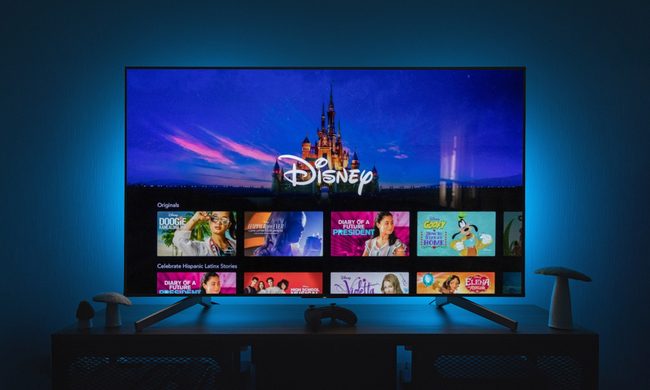
By now, you’ve probably heard the news: Some of the content arriving on Disney+ at launch will eventually leave the service. Contrary to prior reports, you won’t be able to save downloaded shows and movies once they’re no longer on Disney+, either. As cool as that would be, it’s just a big misunderstanding.
Now, don’t panic just yet. According to The Verge, Disney+ content isn’t expected to depart until 2026. Further, Disney CEO Bob Iger promised that”almost all” of the TV shows and movies on Disney+ will remain on the service for the foreseeable future.
While programs come and go from streaming services like Netflix and Hulu all the time, Disney+ should be different. Ostensibly, Disney owns all of the content on Disney+, so why can’t Disney keep its own lineup stable?
It all comes down to pre-existing deals.
Streaming services like Hulu and Netflix don’t own most of their library. They control the series that they produce, like Stranger Things and The Handmaid’s Tale, but third-party content is essentially rented from whoever owns the original rights.
For a fee, Netflix and other streaming services license content from studios for limited periods of time. If a show or movie is exclusive to one service, or if it’s incredibly popular, it costs the streamer more. Once the lease is up, the studio and the streaming company either negotiate a new deal or the content disappears from the service.
That’s how you end up with scenarios like Netflix paying $100 million to stream Friends for a single year, and why Netflix, Hulu, and their ilk are investing so heavily in original content. Producing a show costs more upfront, but there are no licensing fees. The streaming company owns the content outright. They control it forever.
It’s also why studio-specific services like Disney+ and WarnerMedia’s HBO Max could upend the entire streaming economy. If you’re running your own service, why would you give your most popular content to your direct competitors? That’s why NBCUniversal is moving The Office from Netflix to Peacock — and why it can’t do so until 2021 when its Netflix agreement expires.
In the case of Disney+, things get even more complicated. See, Disney didn’t always plan on making its own streaming service (or outright owning another one, as it now does with Hulu). In the past, Disney signed long-running deals with Netflix, some of which included a number of popular Disney properties. Studios like Disney were looking for a way to make up for flagging home video sales, and some Hollywood executives didn’t think Netflix last long enough for any long-term agreements to matter.
They were wrong, of course. For better or worse, Netflix is sticking around for the long haul, and now studios have to plan accordingly. As a result, in order to secure movies like Black Panther for Disney+, Bloomberg says that Disney had to work around its existing Netflix partnerships (and, quite likely, had to pay Netflix some extra cash). Even then, the shift in streaming rights isn’t permanent. In 2026, Disney films made between 2016 and 2018 will return to Netflix (whether or not they’ll be exclusive to the service isn’t clear).
Some of the other shows and movies on Disney+ probably suffer from similar contractual issues, so don’t be surprised if the Disney+ lineup looks a little different a few years after launch. Like we said, it’s complicated.