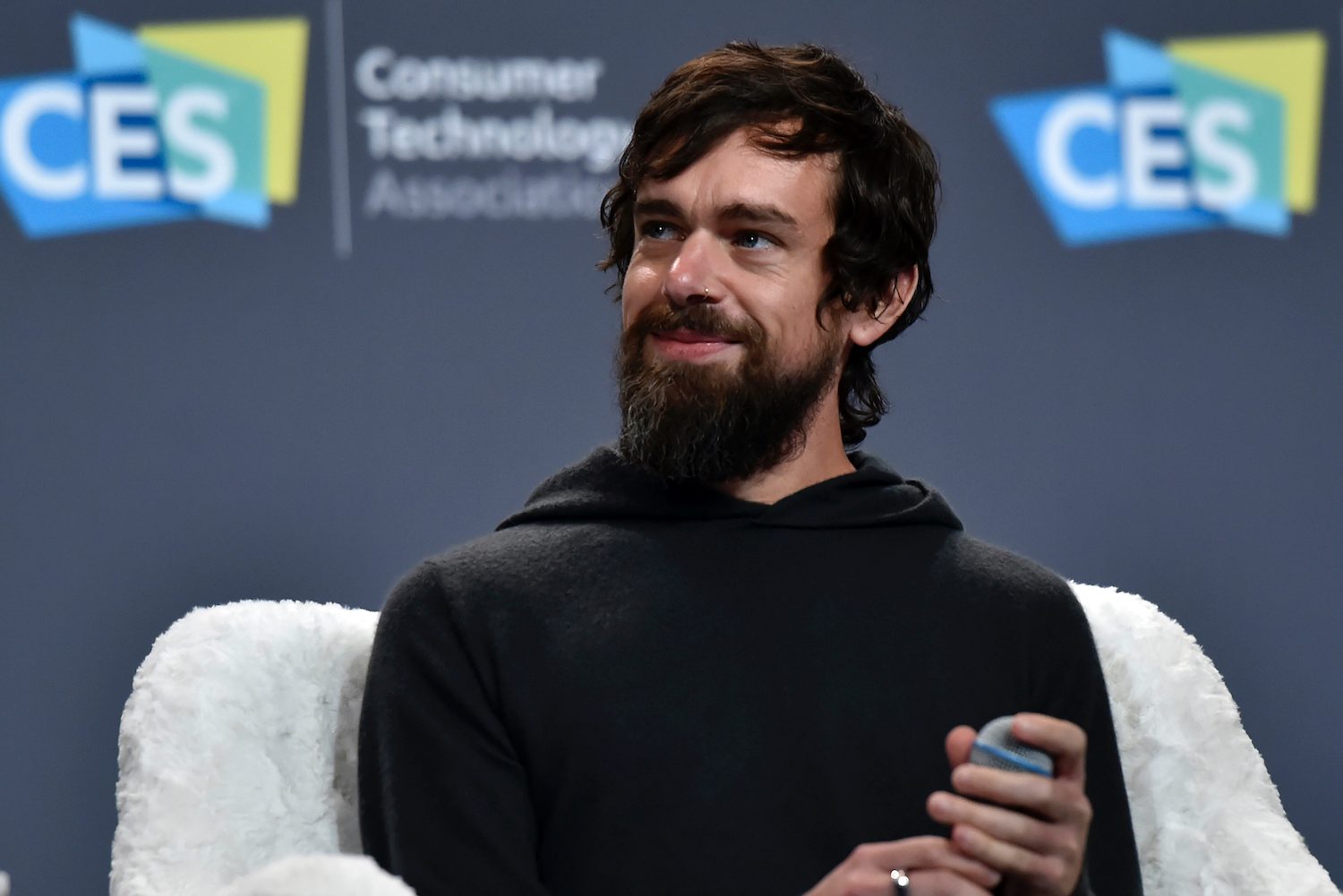
Twitter CEO Jack Dorsey floated a compelling possibility on Wednesday: He wants to put together a team to explore decentralizing Twitter.
Twitter is funding a small independent team of up to five open source architects, engineers, and designers to develop an open and decentralized standard for social media. The goal is for Twitter to ultimately be a client of this standard. 🧵
— jack (@jack) December 11, 2019
The possibility is fascinating. A decentralized system could mean users would be able to define for themselves what they want to see on the platform. It could mean fewer ads and fewer algorithms that are designed to keep your eyes glued to your screen.
But it could also mean that Dorsey is simply trying to deflect responsibility for Twitter’s persistent problems with harassment and abuse on the platform. It means that Twitter would no longer have to respond to allegations of proliferating hate speech.
https://twitter.com/alexstamos/status/1204786744689745920?s=19
“I think this raises a fundamental question of what a decentralized social media experience would look like,” said Emma Llansó, the director of the Center for Democracy and Technology’s Free Expression Project. Llansó told Digital Trends she was glad to see Dorsey’s announcement, but that it was “hard to imagine” what a centralized platform like Twitter would look like after shifting to a decentralized protocol.
“It does come down to a question of, is there a person in control of what gets posted,” she explained. “On a centralized platform, the answer is yes. Someone can control this.”
The whole purpose of a decentralized platform, she said, is for users to be solely in control of their data, what they post, and what they see. They’re not in control of other people’s data, or what they see or interact with. “As a free expression advocate, there’s a lot of positives and benefits to decentralized models,” she said. “But there are questions of, if someone posts something illegal, how will law enforcement respond?
“It’s sort of neat to see Twitter putting resources into this, but it’s preliminary,” she added.
The elephant in the room is that a decentralized Twitter already exists: It’s called Mastodon, another microblogging platform. Eugen Rochko, the CEO of Mastodon, told Digital Trends he found it “amusing” that when Mastodon launched in 2016, it was labeled a “clone,” Twitter, but decentralized.
“Now, it sounds like Twitter is making a Mastodon clone,” he said. “My reaction is really mixed. I’m not happy that the announcement omitted the monumental work that’s been done in this space by Mastodon developers.”
That work, Rochko said, took three years and a team of volunteer engineers. (“We have one full-time engineer,” he said). “Now, Twitter has announced they’re going to hire just five people and start from scratch? That’s ambitious,” he said.
Rochko also said Twitter’s problems won’t be fixed by decentralizing. “They could just clean up their own house, they could fix problems in their own space,” he said. “It does feel like an attempt to give up responsibility and distribute it to others instead.”
And, he added, Twitter’s very business model is contrary to the philosophy of decentralized protocols. “The problem with Twitter developing its own protocols is that they are for the most part a proprietary platform, and they have business interests that contradict user interests,” he said. “There’s advertising, algorithms for boosting engagement, all of which the completely open source Mastodon doesn’t have. We don’t want to manipulate people into looking at the site more.”