1. Home
  2. Space
  3. Emerging Tech
  4. News

Virgin Galactic is taking new spaceflight reservations. Got $1,000?

Add as a preferred source on Google
 

Virgin Galactic just reopened its waiting list to fly to space, and you can put your name down for a $1,000 deposit. 

Recommended Videos

Through Virgin Galactic’s One Small Step Program, you can pay a refundable deposit to get in line for the next round of personal space travel. Your deposit gets you to the next level of the registration process called One Giant Leap, where you will be in the priority group for an offer of a future reservation once they become available. 

While $1,000 is merely a drop in the bucket to reserve a seat to space, you’ll have to come up with more than $250,000 if you actually plan to follow through with Virgin Galactic’s One Small Step program. 

Six hundred people secured confirmed spaceflight reservations when the first registration slots opened back in December 2018, and Virgin Galactic said the demand was so high, the company decided to release more seats. 

“We have been greatly encouraged by the ongoing and increasing demand seen from around the world for personal spaceflight. One Small Step allows us to help qualify and build confidence in our direct sales pipeline, as well as to ensure that those who are most keen to make reservations, are able to do so at the earliest opportunity,” said Stephen Attenborough, Virgin Galactic’s Commercial Director, in the press release. 

Virgin Galactic’s space tourism spacecraft, the SpaceShipTwo Unity, will take passengers for a 90-minute roundtrip into space 62 miles above the Earth. Passengers will experience breathtaking views of the Earth below, and even a brief period of weightlessness. 

Digital Trends reached out to Virgin Galactic to find out a timeline of when people who sign up today could expect to fly to space. We will update this story when we hear back.
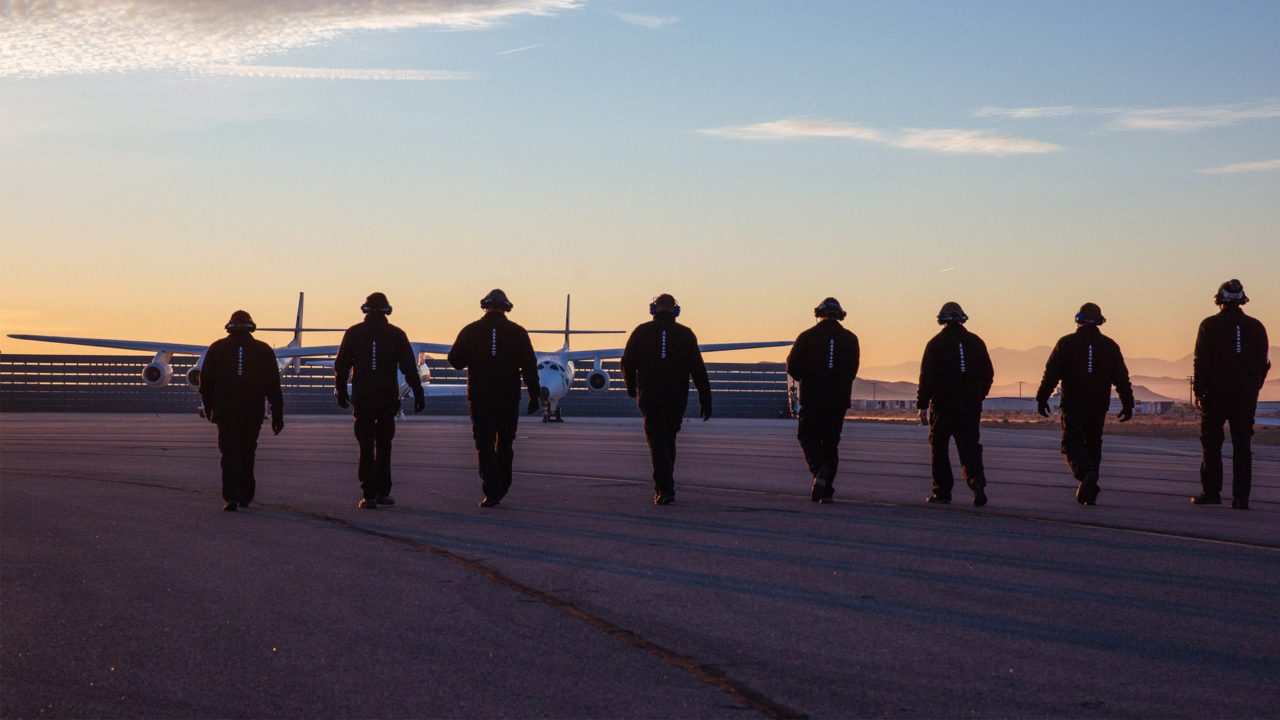
Virgin Galactic

Aside from Virgin Galactic, SpaceX is also working on public space tourism with Space Adventures missions set for late 2021 or mid-2022. The Space Adventures missions will consist of up to five days free-orbiting in space; passengers will have to complete a few weeks of training beforehand. SpaceX’s Crew Dragon space capsule will be used for the private spaceflight missions that will be able to hold up to four people.

SpaceX hasn’t announced pricing yet, but previous Space Adventures flights have reportedly cost around $30-$35 million, so Virgin Galactic’s program is probably in more people’s budgets. 

Allison Matyus
Former Digital Trends Contributor
Allison Matyus is a general news reporter at Digital Trends. She covers any and all tech news, including issues around social…
Space is becoming Bezos and Musk’s next data center site, and we have every reason to worry
The AI boom is coming for the night sky
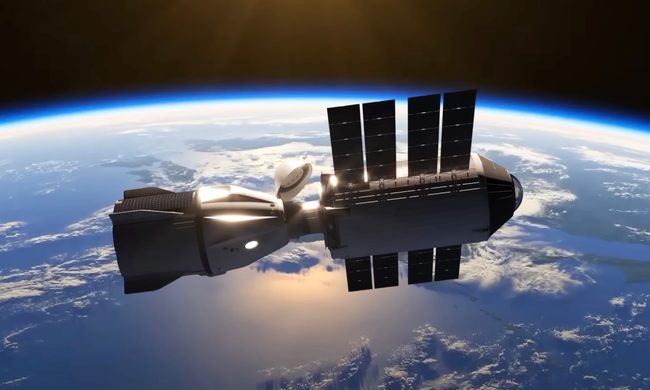
How Vast's space station will look in orbit.

AI data centers already consume vast amounts of electricity and water on Earth, so Silicon Valley has begun looking somewhere considerably more spacious... literally.

Elon Musk's SpaceX and Jeff Bezos' Blue Origin, along with several other companies, have proposed enormous constellations of satellites designed to operate as orbital data centers. However, environmental groups and former space officials are now warning that putting them into orbit at the proposed scale could have severe consequences for Earth's atmosphere and the night sky.

Read more
The first possible exomoon is here, and it makes our Moon look hilariously tiny
Scientists may have found the first exomoon, except this one is the size of Jupiter
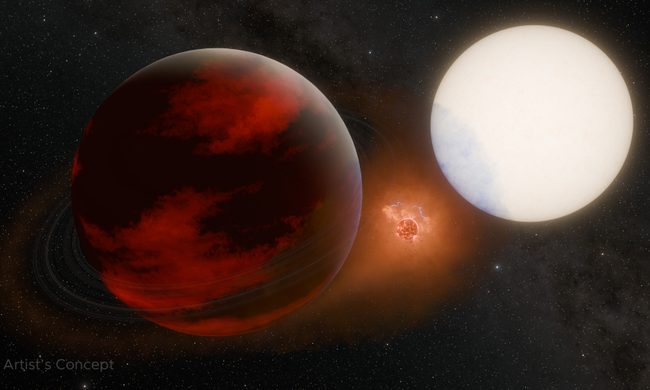
This artist’s concept depicts a potential volcanic moon between the exoplanet WASP-49 b, left, and its parent star. New evidence indicating that a massive sodium cloud observed near WASP-49 b is produced by neither the planet nor the star has prompted researchers to ask if its origin could be an exomoon.

We have already discovered more than 6,000 planets outside of our immediate neighborhood. Yet, finding a moon orbiting one of those distant worlds has proved considerably harder. Astronomers may finally have something close to the real deal, but this particular object stretches the word “moon” almost beyond recognition.

Using the European Southern Observatory’s Very Large Telescope in Chile, researchers detected strong evidence for a moon-like object in the CD-35 2722 system. Further observations are still necessary to confirm the discovery, but it could become the first confidently detected natural satellite outside our solar system. There is still one tiny complication though. This moon is apparently massive.

Read more
China’s answer to SpaceX’s reusable rockets literally catches boosters in a net
SpaceX catches boosters on legs. China just used a net.
Ammunition, Missile, Weapon

SpaceX's playbook for recovering a rocket booster generally involves legs, a precisely controlled vertical landing, and either a concrete pad or a drone ship. 

China just managed to pull off something similar, but in a slightly different way, and on July 10, it tested the method as well.

Read more