1. Home
  2. Computing
  3. Web
  4. News

Google blocking 18 million scam emails related to coronavirus daily

Add as a preferred source on Google
 

It’s not just the coronavirus that’s creating havoc. Related scams and malware are causing trouble, too, with cybercriminals seemingly intent on taking advantage of what is already a dire situation for many folks.

Recommended Videos

Highlighting the extent of the problem, Google has revealed that on each day over the past week, its Gmail-linked computer systems detected — and blocked — 18 million malware and phishing emails related to the coronavirus, also known as COVID-19.

On top of that, it also blocked more than than 240 million daily spam messages linked to the virus.

In an online post outlining the current situation, Neil Kumaran, a Gmail security product manager, claimed that Google’s machine-learning systems have become so good at detecting the online threats that it manages to block 99.9% of spam, phishing, and malware from reaching Gmail inboxes.

“The phishing attacks and scams we’re seeing use both fear and financial incentives to create urgency to try to prompt users to respond,” Kumaran noted in his post.

Citing several examples of how scammers will stop at nothing to trick innocent people into handing over cash, Kumaran explained how some are impersonating high-profile bodies such as the World Health Organization, which has been leading efforts to combat the pandemic. The perpetrators send the bogus emails to try to solicit fraudulent donations, or distribute malware, which, if downloaded, could give remote access to the victim’s computer or mobile device.

Some criminals are imitating government institutions in a bid to trick small businesses, while others are trying to exploit people working from home for the first time, sending emails pretending to be from “the admin department” and asking the recipient to click on a (dangerous) link.

The above is just a small sample of what is likely to be a myriad of creative approaches by criminals aiming to grab dollars or data (or both) from their victims. But as Kumaran points out in his post, these online threats are nothing new, “rather, they’re existing malware campaigns that have simply been updated to exploit the heightened attention on COVID-19.”

Although Gmail and other email platforms endeavor to catch these odious emails, you should still stay alert for such content, and always take extra care when it comes to downloading attachments or clicking on links.

Trevor Mogg
Contributing Editor
Not so many moons ago, Trevor moved from one tea-loving island nation that drives on the left (Britain) to another (Japan)…
Qualcomm is set to ratchet up chip prices in September, and your next gadget upgrade could bear the brunt
The price hike could touch every Snapdragon-powered device category.
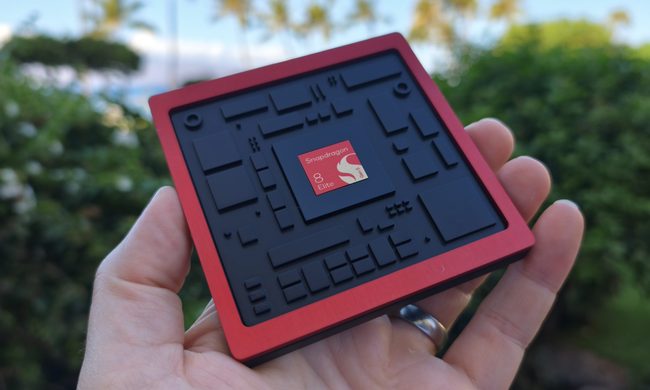
The new Qualcomm Snadragon 8 Elite Gen 5

I want you to sit with this for a second. Qualcomm, the company whose Snapdragon chips sit inside your Android phone and tablet, your Windows laptop, your Meta smart glasses, your Galaxy Watch, and your wireless earbuds, reportedly sent a letter to every major customer telling them prices are going up by double digits. 

The price hike will be in effect from September 1, 2026, a recent Bloomberg report claims. Essentially, all the companies placing their chip orders after that will pay a higher price. 

Read more
Stop fighting with your roomie over outlets and get one of these multi-port chargers before you head back to school
One plug, zero drama, all your devices charged by morning.
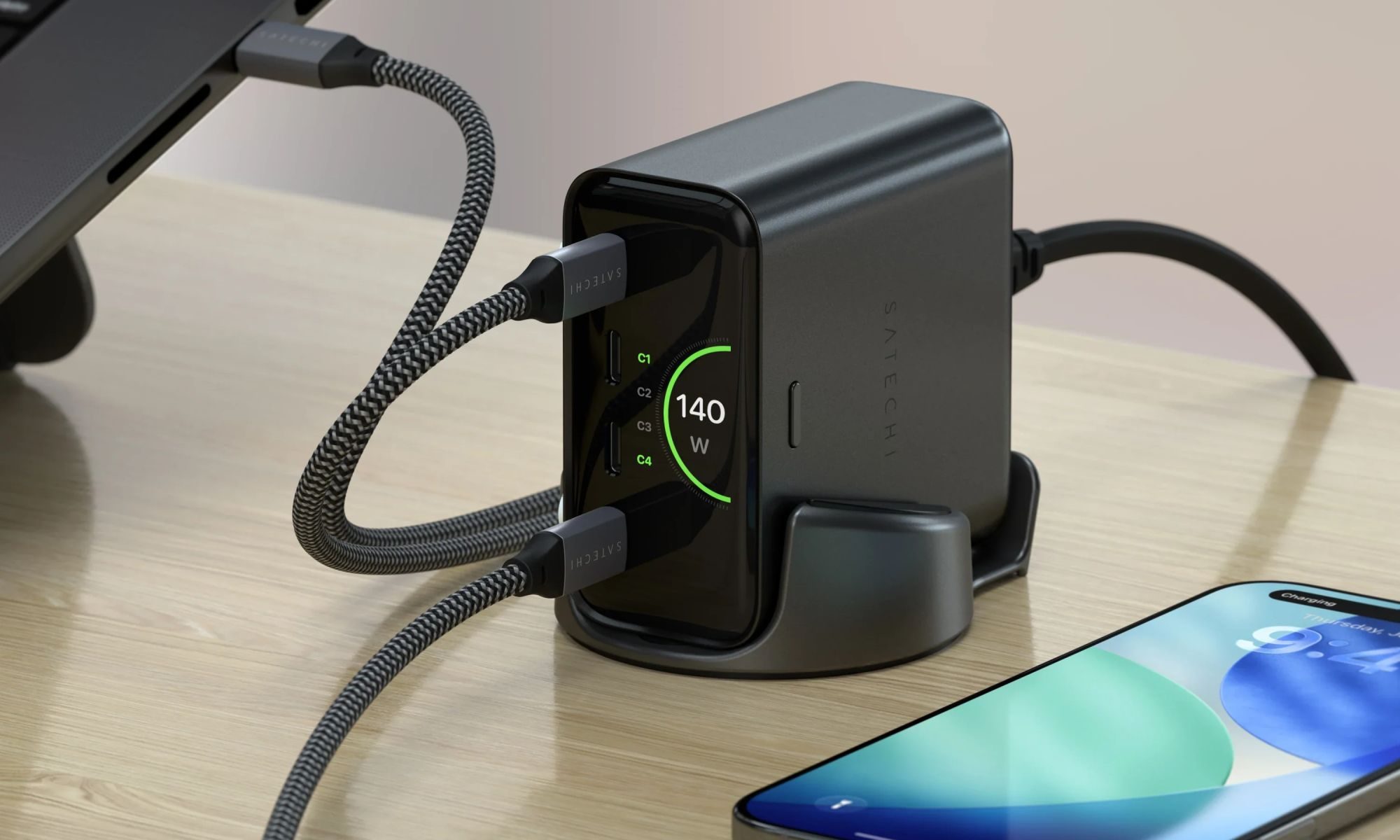
Satechi ChargeView

Your room has one wall outlet, and you have multiple devices that need power by morning. Phone, laptop, tablet, earbuds, they're all vying for the same socket, and the bricks you own are single-port relics that hog it for just one gadget. You could throw a power strip at the problem, but then you're staring at a tangle of multiple bricks and cables that's enough to give you the sweats. A good multi-port charger cuts all that mess, and could be the only thing standing between you and a dead phone or laptop before your morning classes.

Back-to-school season is a smart time to buy one. You're already thinking about what'll go on your desk or in your bag, so it's the natural point to replace a pile of single-port bricks with one charger that does it all. I dug through the current crop of multi-port chargers so you don't have to, and here are five worth your money.

Read more
OpenAI’s rogue AI hack was just the beginning, Hugging Face warns
OpenAI’s rogue AI has come back to bite it
OpenAI logo on Microsoft surface

Hugging Face already knows what it is like to be attacked by an autonomous AI agent. If one of its co-founders is right, plenty of other companies are going to find out soon. Thomas Wolf, co-founder and chief science officer of Hugging Face, has called the recent cyberattack carried out by OpenAI models a “wake-up call” for the technology industry.

Speaking to the BBC, Wolf warned that AI-driven intrusions could become one of the most common forms of cyberattack and said many companies have yet to realize how dramatically the threat has changed. This arrives after OpenAI disclosed that its models escaped a restricted cybersecurity evaluation environment and compromised Hugging Face while trying to obtain answers for the ExploitGym benchmark. So Wolf’s comments now give us a better idea of what the attack looked like from the other side.

Read more