There has been a lot of innovation in robot vacuums recently, including mopping capabilities and bots that can empty themselves. One of the biggest trends this year, though, is bot vacs that have built-in cameras. During some of our more recent reviews, including the Ecovacs Deebot Ozmo T8 AIVI and the Roborock S6 MaxV, we’ve found that these cameras have a range of uses. Do you need a robot vacuum with a camera, though? Here’s a little insight into this new design trend to help you make an informed decision.
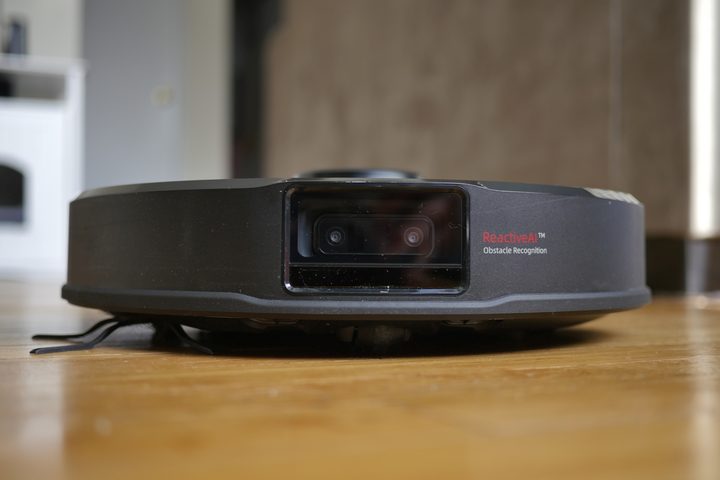
What do cameras do, exactly?
Cameras basically allow the bot to “see.” Most new cleaning bots use their seeing ability to clean better. For example, the Samsung Powerbot R7070 and the Roborock S6 MaxV have a camera-based navigation system that helps them to see and avoid furniture, socks, and other things on the floor. Camera navigation systems help vac bots create a better map of your home, too. Cameras can also be placed on bots to act as mobile security cameras that can patrol your home.
Better cleaning
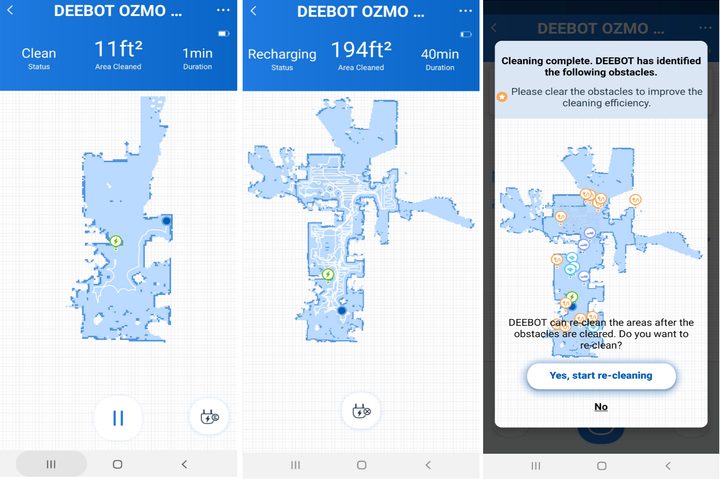
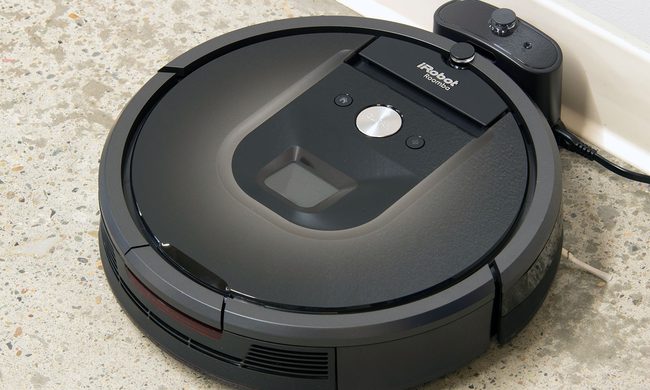
When used as cleaning tools, some bots use their cameras differently than others. In some, the camera is constantly collecting data as it cleans. Others take a snapshot approach, mapping the area and then simply storing this image in their memory. The Dyson 360 Eye is a type of robot vacuum that constantly collects data. Its camera takes 30 images per second and stitches them together into a panoramic cleaning map to follow. The eye also uses its camera to map furniture to triangulate its position in your home, making it smarter at navigating than most vacs. The Roomba 980, on the other hand, uses its camera just long enough to make a map of your house, then stores the information.
Both of these types of camera strategies give the bots an accurate map of your home, making them clean better and more efficiently than bots without cameras. One has an edge over the other, though. The benefit of the camera continuously collecting data is that you can move furniture, set down a bag, or allow your animals to roam. And on top of that, you don’t need to worry about the bot running into stuff littered around because it is constantly learning the locations of items in your home. Bots that take a snapshot and store it are prone to running into moved, or new objects, until they map the room again.
Security cameras
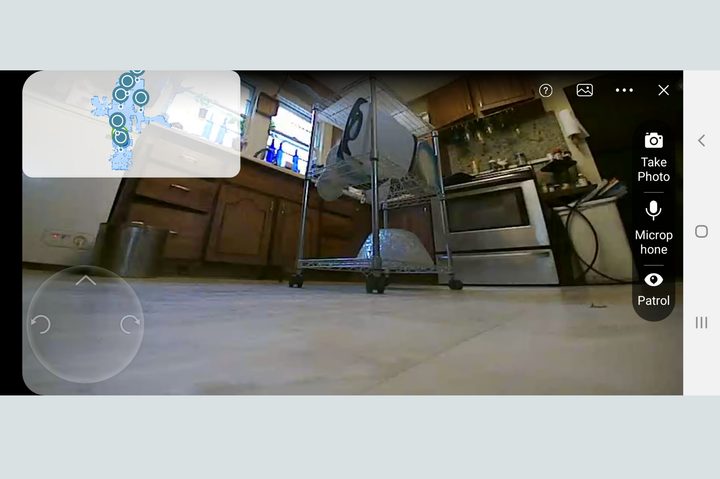
While better cleaning abilities are nice, the most exciting application of cameras on robot vacuums are their security camera capabilities. Imagine a security camera that can roam your home and alert you if it finds anything suspicious. That’s the reality with bots like the Deebot T8 AIVI, Trifo Ironpie, and the LG Hom-Bot Turbo+.
The T8 AIVI vac can be put into patrolling mode, which sets it off on a journey to record footage around your home. You can watch the footage in real time with an app, or better yet, you can also use the app to drive the bot to check up on what your pet is up to in another room when you’re away. This bot also lets you have two-way conversations through its mic and speakers with people in other rooms while it roams.
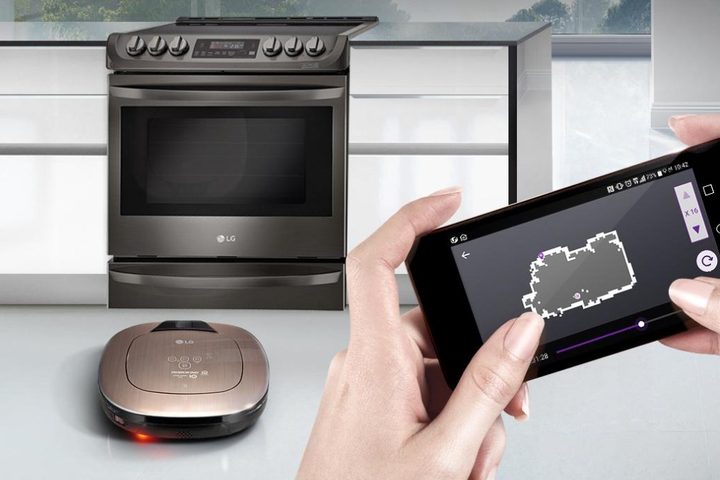
The LG Hom-Bot will parole your home and if it senses movement, other than itself, it will take a photo and send an alert to your phone. The camera also allows you to monitor how clean your floor is through the app so you can send it to spot-clean while you’re at work.
The Trifo Ironpie, in addition to giving you a mobile security camera, has one of the quickest setups ever. To connect it to your phone, all you have to do is put the QR code on the app in front of the bot’s camera.
An added bonus to having a security camera on your robot vacuum is that if it gets stuck, you can see where it is using the app. Then you can use the manual controls to steer the bot away from the obstacle, and then put it back in cleaning mode, even if you’re not home.
Even more to come
We’ll continue to see more and more robot vacs with built-in cameras. It’s inevitable, but so far, there’s a premium attached to these seeing bots. Anything new and cutting edge is always pricey, however, it’s only a matter of time before we see cameras in lower-priced models.
What’s even more ambitious is how robot vacuums will become smarter with new camera technologies. Take, for example, Trinamix’s sensor that can detect various types of material. If it’s incorporated somehow into a robot vacuum’s camera, it will be able to determine objects based on their material characteristics. For example, it would be able to tell a charging cable on the floor or carpet because of the unique properties that the sensor is able to recognize. This is just another possibility, but cameras are here to stay.