1. Home
  2. Phones
  3. Mobile
  4. Social Media
  5. News

Snapchat is finally ditching one of its most controversial filters

Add as a preferred source on Google

Snap is removing from its Snapchat app a controversial speed filter that has been blamed for encouraging reckless driving.

Released eight years ago, the filter lets you take a photo or video overlaid with a readout of the speed at which you’re moving.

Recommended Videos

Safety campaigners have long complained that the filter encouraged people to drive dangerously, often so they could show off to friends by sharing content of their high-speed antics.

Crashes reportedly caused by drivers using the filter prompted some affected families to sue California-based Snap.

This week, the company confirmed to NPR that it has decided to remove it from the app because these days it is “barely used by Snapchatters.”

The company started taking down the filter this week, but said it could be several weeks before the removal process reaches all 500 million of its active monthly users.

Reckless driving

In Atlanta in 2016, an 18-year-old woman driving 107 mph slammed into an Uber driver, inflicting serious brain injuries on the driver. The woman’s accusers said that when the crash occurred she was trying to clock her speed using Snapchat’s speed filter.

Snap’s controversial speed filter also was linked to a car accident in Philadelphia in 2015 in which three woman died, and to a high-speed crash in Florida the following year in which five people lost their lives. In Wisconsin in 2017, three men died in a crash in which a 123-mph Snap was captured by one of the victims in the lead-up to the impact.

The tragic incidents prompted Snap to make some changes to the feature, including the addition of a message that says: “Please, DO NOT Snap and drive.” According to NPR, Snap also “quietly capped the top speed for which a post could be shared” at 35 mph.

The news outlet also pointed out that Snap is still engaged in legal battles linked to its speed filter, with a federal appeals court recently ruling that the family of those who died in the Wisconsin accident should have the ability to sue Snap for negligence. Just this week, Snap called for the case to be thrown out, claiming that the speed filter should not be blamed for the fatal crash.

Digital Trends has reached out to Snap for further comment on its decision to remove the speed filter, and we will update this article if we hear back.

Trevor Mogg
Contributing Editor
Not so many moons ago, Trevor moved from one tea-loving island nation that drives on the left (Britain) to another (Japan)…
Vibecoded apps are flooding Apple’s App Store, and users are getting sick of them
App Store submissions have doubled this year as AI tools make it easier than ever to build an app, but downloads haven't kept pace, and for good reason.
Apple App Store homepage on an iPhone

Apple's App Store is in the middle of its steepest submission surge in years. Developers submitted nearly 600,000 new apps last year, marking a 30 percent jump over the previous year. That number has already doubled to roughly 560,000 new apps in just the first six months of this year, according to estimates from analytics firm Sensor Tower cited by the New York Times. The reason behind the spike is vibecoding, which allows people with no prior development experience to create new apps using AI tools.

A familiar boom, with a twist

Read more
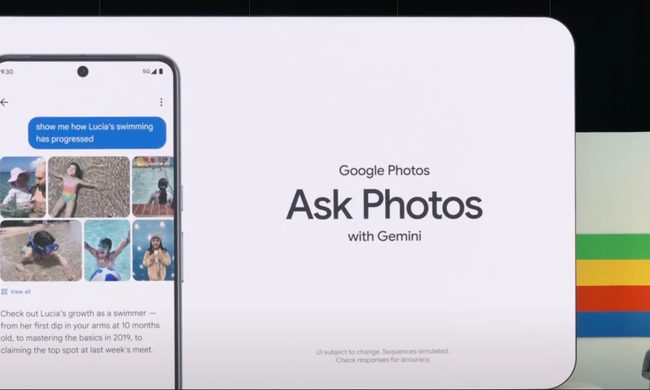
Google Photos adds a quick toggle between AI and classic search
Classic search is finally easier to reach for people who enabled Ask Photos
Google's Ask Photos debut.

Google Photos is giving users an easier way to leave its Gemini-powered search when a simple keyword would do. A new toggle now sits at the top of the results page, letting users switch between Ask Photos and classic search without digging through settings.

The change appears to address feedback from people who opted into Ask Photos but wanted a quicker way to return to classic search when Gemini was slower or less useful for a straightforward query.

Read more
Snapseed Camera now lets Android users save original photos and add geotags
Google updates Snapseed Camera with geotag support and non-destructive photo editing
Snapseed App

Google appears to be quietly turning Snapseed into something more than just a photo editing app. Over the past few weeks, the company has been steadily adding new capabilities to Snapseed Camera, its standalone camera app for Android. The latest update introduces two practical features that many smartphone users have come to expect from modern camera apps: the ability to save an untouched copy of every image for future editing and support for embedding location data directly into photos.

Neither feature is flashy, but together they make Snapseed Camera a more capable photography tool, particularly for users who like experimenting with filters without permanently altering their original shots. According to a report by 9to5Google, the features are rolling out with Snapseed Camera version 4.1.1.x on Android.

Read more