
At the Computex trade show in Taiwan, chipmaking giant Intel took the wraps off its plans for a new class of consumer notebook computer dubbed the Ultrabook (PDF). Ultrabooks will be distinct from mainstream notebook primarily by their design: they’ll be less than 20mm (0.8 inches) thick, feature USB 3.0 and Thunderbolt connectivity, and sport some “tablet-like” features. But, perhaps most importantly, Intel envisions Ultrabooks to become the mainstream of consumer computing, accounting for some 40 percent of consumer notebook sales by the end of 2012.
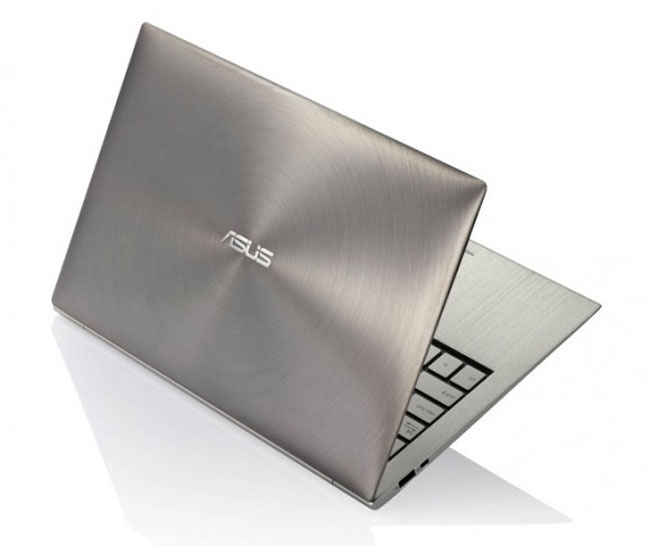
Initially, the Ultrabooks don’t be very different from today’s notebooks: they’ll be based on Intel’s existing second-generation Core processors and feature “thin, light, beautiful designs.” Intel partner Asus demonstrated an Ultrabook dubbed the UX21 that it expects will be available by the end of the year; the UX21 sports am 11.6-inch display, an Intel Core i5 processor, 2 GB of RAM, mini-HDMI video output, and SSD drive options.
The Ultrabooks will feature Intel’s Rapid Start and Smart Connect technologies that enables the machines to wake to a ready-to-use state very quickly, and stay connected to email and social networks even when asleep so the systems already have the latest information as soon as users power them up.
Future Ultrabooks will be based on Intel’s forthcoming Ivy Bridge architecture, due in 2012, and then on Intel’s future Haswell processor platform, due to reach market by 2013. The lower power consumption profiles of Ivy Bridge and especially Haswell should enable Ultrabooks to have even slimmer designs than the first generations, as well as longer battery life.
The Ultrabooks represent an effort by Intel to assert itself in the mobile computing market, where it has been taking a beating from tablets and other devices based on chip designs from rival ARM Holdings—and repeatedly failed to even enter the smartphone market. Although Intel is keen for everyone to know it expects dozens of tablets to ship this year based on its “Oak Trail” line of Atom processors, it expects the power, unspecified “tablet-like” features (Intel has mentioned touch screens), and sub-$1,000 price tags will appeal to consumers. However, Intel might have some difficulty distinguishing “Ultrabooks” from mainstream notebooks—particularly in the first generation—and the company says it remains committed to netbooks as a platform, where it hopes to bring costs under $199.


