New reports suggest that AMD’s future processors and graphics cards may be stalled due to issues at TSMC, the semiconductor foundry from which AMD gets its chips.
There have been signals suggesting that TSMC has encountered problems with its upcoming 3nm process yields. While this doesn’t affect AMD’s next-gen Zen 4 and RDNA3 lineups, it does impact the generation that comes after, including Ryzen 8000 Zen 5 processors and Radeon RX 8000 RDNA 4 graphics cards.
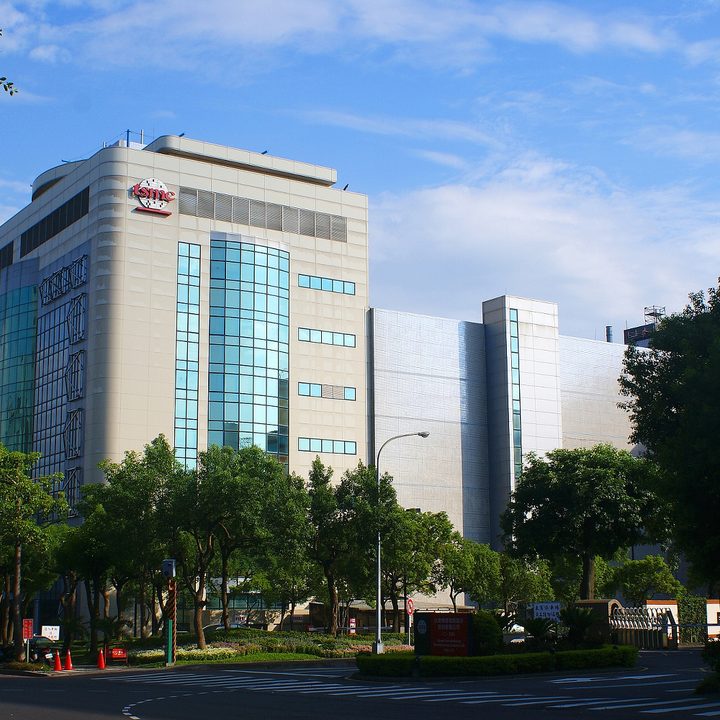
First reported by DigiTimes and later covered by TechRadar, the issues at TSMC seem to be centered around the fact that too many faulty 3nm chips have been produced. Sometimes, less-than-perfect chips can still be repurposed and used for a lower-performance version of the same chip, salvaging the tech — even if just to a lesser extent. If the 3nm nodes made by TSMC prove to be unusable, this could create a ripple effect spanning multiple manufacturers and product lines.
According to the DigiTimes report, TSMC has had a lot of trouble with its 3nm process node yields, achieving sup-bar results that aren’t close to what they should be. This caused TSMC to divide these 3nm chips into sub-nodes, including N3E and N3B. It seems that there are improvements to be made if 3nm nodes are to be mass-produced on the scale that will soon be required by next-gen technology.
TSMC’s 3nm nodes are technically still unreleased, and judging by these issues, their release date may be pushed up to the second half of 2022 — or even beyond, if we’re unlucky. Needless to say, such a delay is almost bound to affect the potential release dates of products that will one day utilize TSMC’s 3nm process node. Many tech giants are interested in 3nm chips, including AMD.
AMD CEO Dr. Lisa Su has confirmed that the upcoming Zen 4 processors, which could release very soon, will utilize TSMC’s 5nm process node. Although still unconfirmed, it also seems that AMD’s Radeon RX 7000-series graphics cards will rely on the 5nm process. Leaked roadmaps suggest that after this newest generation, AMD plans to move on to the upcoming 3nm node. If AMD is planning to use TSMC’s 3nm node for both its Ryzen 8000 Zen 5 processors and its Radeon RX 8000 RDNA4 graphics cards, any potential delays at the massive semiconductor fab could spell disaster for AMD.
https://twitter.com/greymon55/status/1495797432810196995
Of course, there are options. AMD could switch to Samsung instead, which would follow what other companies like Qualcomm are doing. Samsung is also working on its 3nm process. However, as DigiTimes points out, Samsung is also having issues with 3nm. Assuming that both TSMC and Samsung will be unable to meet AMD’s 3nm needs, it may have to resort to using 4nm for Zen 5 and RDNA 4. This is also what Greymon55, a well-known leaker, has said on Twitter.
Before fully believing the dark clouds that seemingly loom over AMD’s upcoming 2023 lineup, let us note that TSMC itself has said it’s not having any issues with its 3nm process and is making good progress. While that may or may not be true, it could be that with enough time, the delays may not be as huge as today’s rumors seem to suggest.