As the demand for 5G increases, Samsung is looking to lead the way through a collaboration with other major technology partners to build software-based 5G networks.
Samsung announced today that it’s working with other technology leaders such as Dell, HPE, Intel, Red Hat, and Wind River to build a new ecosystem for 5G vRAN, or virtual Radio Access Networks.
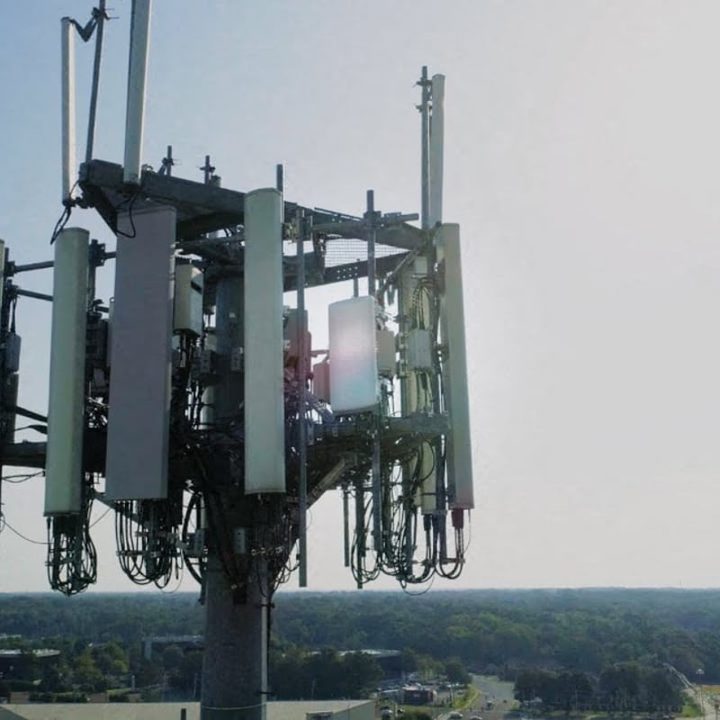
The company goes on to note that it’s the first major network vendor to conduct commercial vRAN deployments with larger Tier One network operators across North America, Europe, and Asia, demonstrating that its 5G vRAN technology is ready for prime time. This is in addition to its smaller partnerships, such as the recent rollout of private 5G with software conpany Amdocs at Howard University.
Notably, Samsung has also demonstrated its ability to deliver 5G speeds of up to 2.25Gbps to a single user device over the midrange C-band spectrum, paving the way for a world of near-limitless connectivity.
What is a 5G vRAN?
Traditionally, one of the biggest impediments to widespread 5G deployment has been proprietary hardware systems used to build out the Radio Access Networks (RANs) that power 5G, from the antennas to the base stations and core systems.
In much the same way that car parts and accessories are more expensive when they’re only available from a single vendor, proprietary RAN components drive costs up. Carriers, mobile network operators, and private network operators that buy into a given hardware platform end up being locked into that ecosystem, forcing them to pay more as they grow and expand.
Understanding how this was slowing the growth of 5G, a group of carriers, vendors, and researchers joined forces to form the O-RAN Alliance to create standards for Open RAN technology. This promises to ensure that mobile operators will be able to mix and match components to come up with the most cost-effective solutions while still offering the best performance.
Virtual RANs, or vRANs, take this to the next logical step by removing the hardware layer entirely. While some hardware components like antennas are still necessary, core components like base stations and controllers can be virtualized as software that can run on any commercially available server.
This allows operators to not only use less expensive hardware, but also use fewer components. A single server can become home to multiple virtualized RAN components that would have previously required multiple dedicated stand-alone units.
Building out a 5G network with vRAN components also results in more flexibility and faster deployments. Additional 5G capacity and new features can be spun up in a fraction of the time that it would take to obtain and install new physical hardware components. This also allows for the kind of 5G-in-a-box solutions we’ve seen from others like HPE.
However, while companies like HPE and Dell are building the hardware platforms, others like Samsung, Red Hat, and Wind River are focusing on the software side. Samsung is also providing a central lab to test vRAN solutions and help tie everything together to ensure that it can deliver a seamless experience to mobile network operators.
As Woojune Kim, Samsung’s executive vice president of networks business, notes in a press release that the company’s “consistent innovation and large-scale commercial experience with leading Tier One operators around the world” are helping it to “lead the advancement of vRAN and Open RAN beyond lab tests […] into major commercial markets. Kim hopes that this vRAN ecosystem will “drive innovation to the next level, unlocking numerous opportunities ahead for network industry players and helping operators scale their businesses.”