  1. Home
  2. Cars
  3. News

Cruise woes prompt production halt of fully driverless van

Add as a preferred source on Google
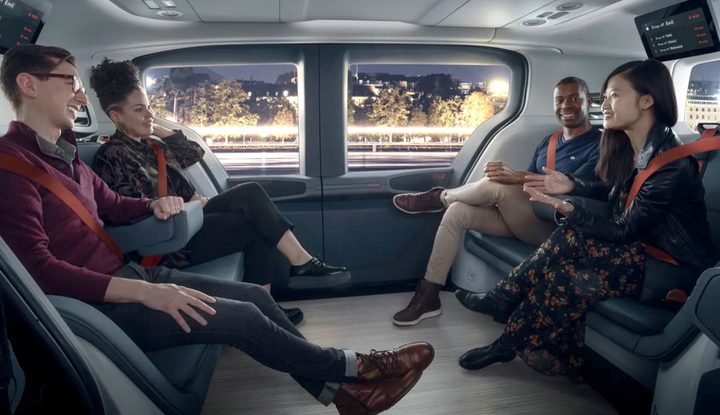
Interior of Cruise's Origin vehicle.
Cruise

General Motors-owned  Cruise has halted production of its fully driverless vehicle — the Origin — just over a week after it suspended robotaxi operations nationwide following a number of troubling incidents involving its cars.

The news was announced by Cruise CEO Kyle Vogt during a meeting with staff on Monday, according to Forbes, which obtained audio of the gathering.

Recommended Videos

The Origin van is a purpose-built driverless vehicle that has no steering wheel or pedals and was trumpeted as the future of Cruise’s robotaxi efforts for cities across the U.S.

The company unveiled the Origin (below) three years ago and built it at General Motors’ Detroit-Hamtramck factory. But with regulators not quite ready for such a design, Cruise has been testing its autonomous technology using a modified Chevy Bolt, complete with a steering wheel and pedals.

Meet the Cruise Origin

Vogt reportedly told staff on Monday that General Motors-owned Cruise has already built “hundreds” of Origin vans and that they would be deployed “when we are ready to ramp things back up.”

A GM spokesperson told Digital Trends that it plans to “temporarily pause production” of the Origin while maintaining that it’s “an important part of the autonomous vehicle journey” as it’s “the first scalable vehicle ever designed specifically for autonomous rides.”

Cruise suspended testing nationwide on October 26 just a couple of days after the California Department of Motor Vehicles (DMV) suspended its robotaxi permit in the state following a number of worrying incidents. The most concerning of these occurred in San Francisco in early October when a woman became trapped under a Cruise car’s wheel after she was struck by another vehicle.

Other incidents over recent months saw a number of Cruise self-driving vehicles blocking traffic. One even drove onto wet concrete before getting stuck.

“The most important thing for us right now is to take steps to rebuild public trust,” Cruise said when it announced it was suspending its operations. “Part of this involves taking a hard look inwards and at how we do work at Cruise, even if it means doing things that are uncomfortable or difficult”

Only when the company has fully assessed its position will we know how it plans to proceed, and whether it will get back to manufacturing the Origin van for robotaxi and delivery services.

Trevor Mogg
Contributing Editor
Not so many moons ago, Trevor moved from one tea-loving island nation that drives on the left (Britain) to another (Japan)…
Volvo’s purported EX50 could be the budget-friendly plot twist nobody saw coming
Volvo's next electric SUV could shake up the EX lineup with more room and a smaller price tag.
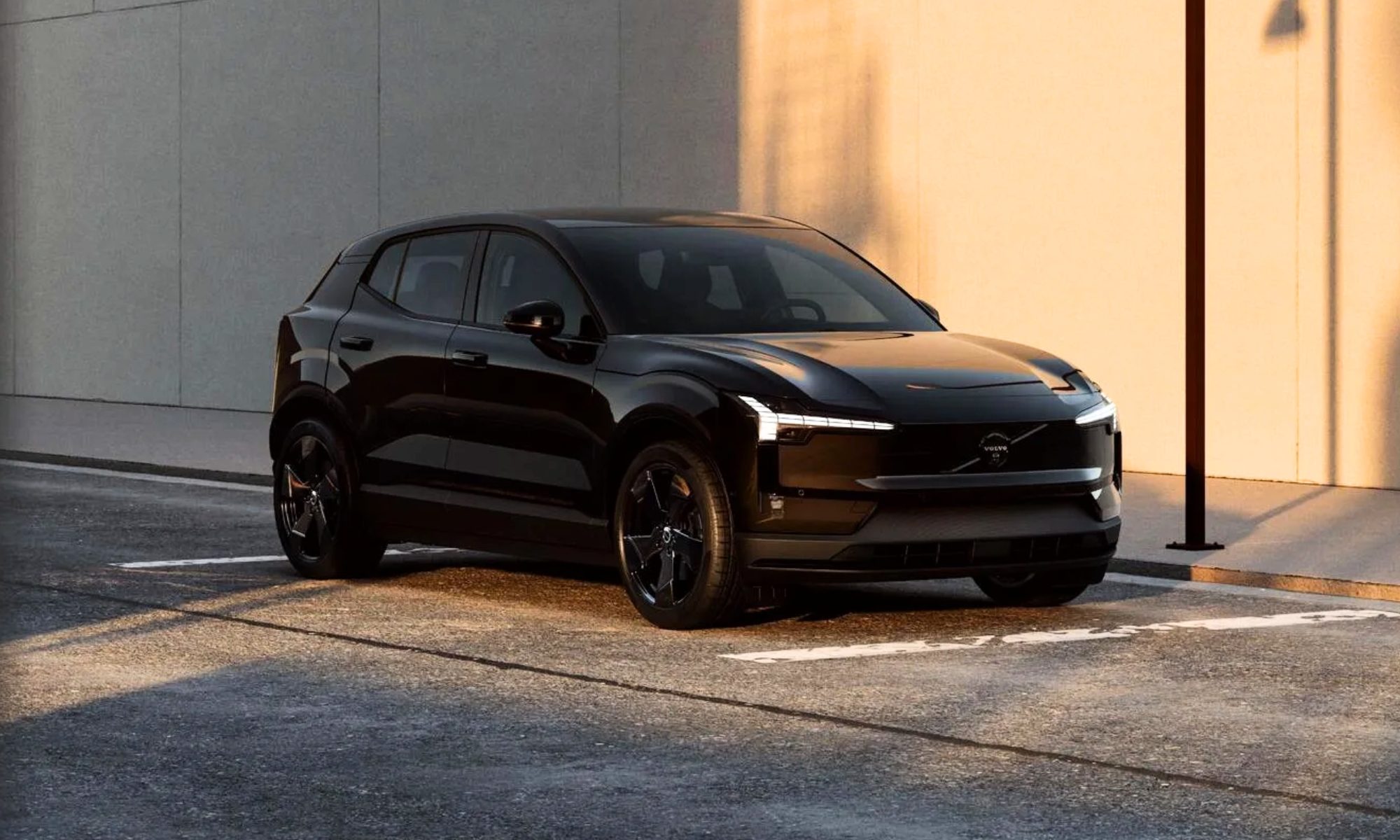
Volvo EX30 front profile.

Volvo’s electric lineup needed a genuinely affordable entry point, and a new report suggests that buyers might actually get one. 

According to a new Automotive News report, Volvo is quietly working on a compact electric crossover, called the EX50. It will be aimed at replacing the dated EX40 in the US sometime in 2027. 

Read more
Xiaomi just launched an SUV with seven seats and a bedroom upstairs
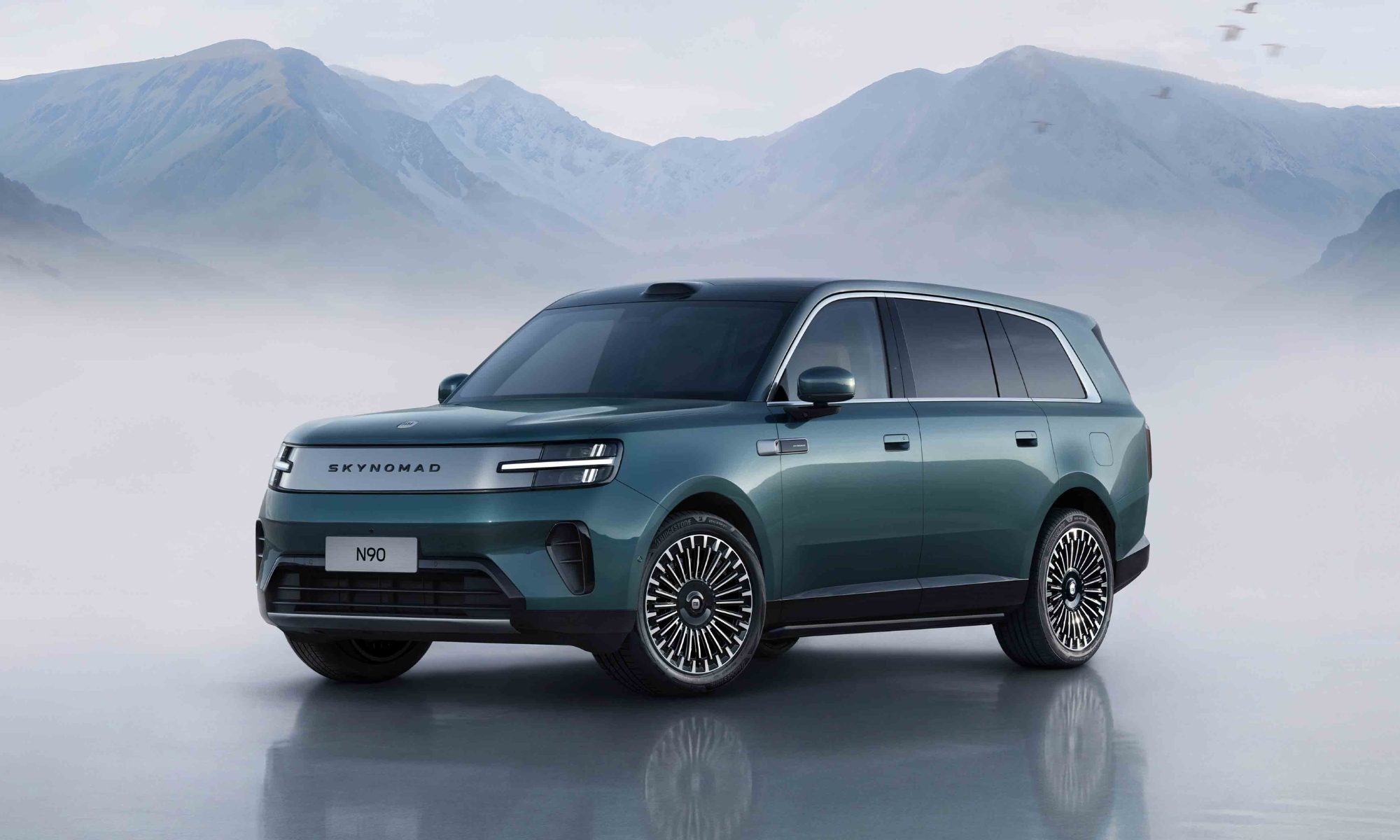
Xiaomi’s SkyNomad SUV could replace your car, office, lounge, and tent
Skynomad

Xiaomi’s new family SUV is basically a house on wheels with enough claimed range to cover more than 1,000 miles. It also costs considerably less than its outlandish feature list might suggest. The company has officially launched the SkyNomad N90 Max in China for 299,900 yuan, equivalent to roughly $44,400 through direct conversion.

Preorders are open now, with the first vehicles expected to reach customers in September. The converted figure provides useful context, though it does not represent pricing outside China. Xiaomi describes the seven-seat flagship as a “house you can move.” This unusually grand pitch starts making sense once you see what happens inside.

Read more
Mazda chief says the MX-5 Miata could go electric
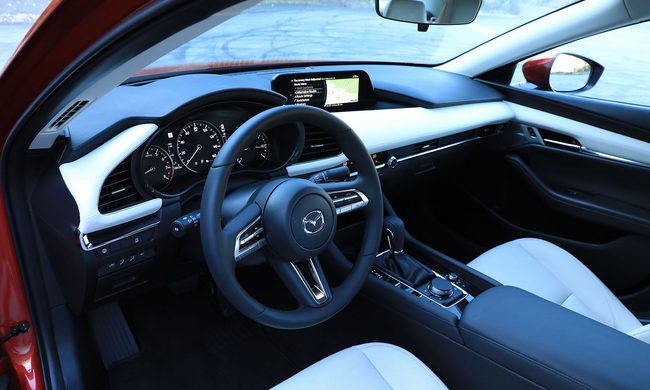
2019 Mazda Mazda3 AWD review

For years, the idea of an electric Mazda MX-5 Miata felt almost impossible. The little roadster has always been celebrated for one thing above everything else: keeping things light. Add a heavy battery pack into the equation, and many enthusiasts assumed the Miata's trademark driving character would disappear along with it.

Mazda, however, appears to have changed its mind. In an interview with German publication auto motor und sport, Mazda CEO Masahiro Moro confirmed that the next-generation MX-5 is being developed with the possibility of an all-electric version in mind. It doesn't mean the iconic roadster is abandoning gasoline anytime soon. Still, it does suggest Mazda wants the Miata to survive in a future where internal combustion engines may no longer be an option.

Read more