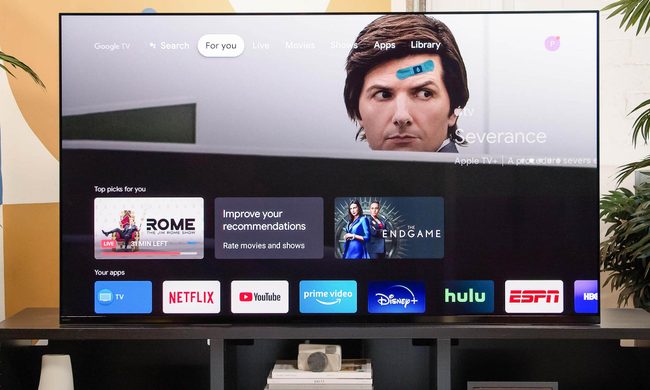
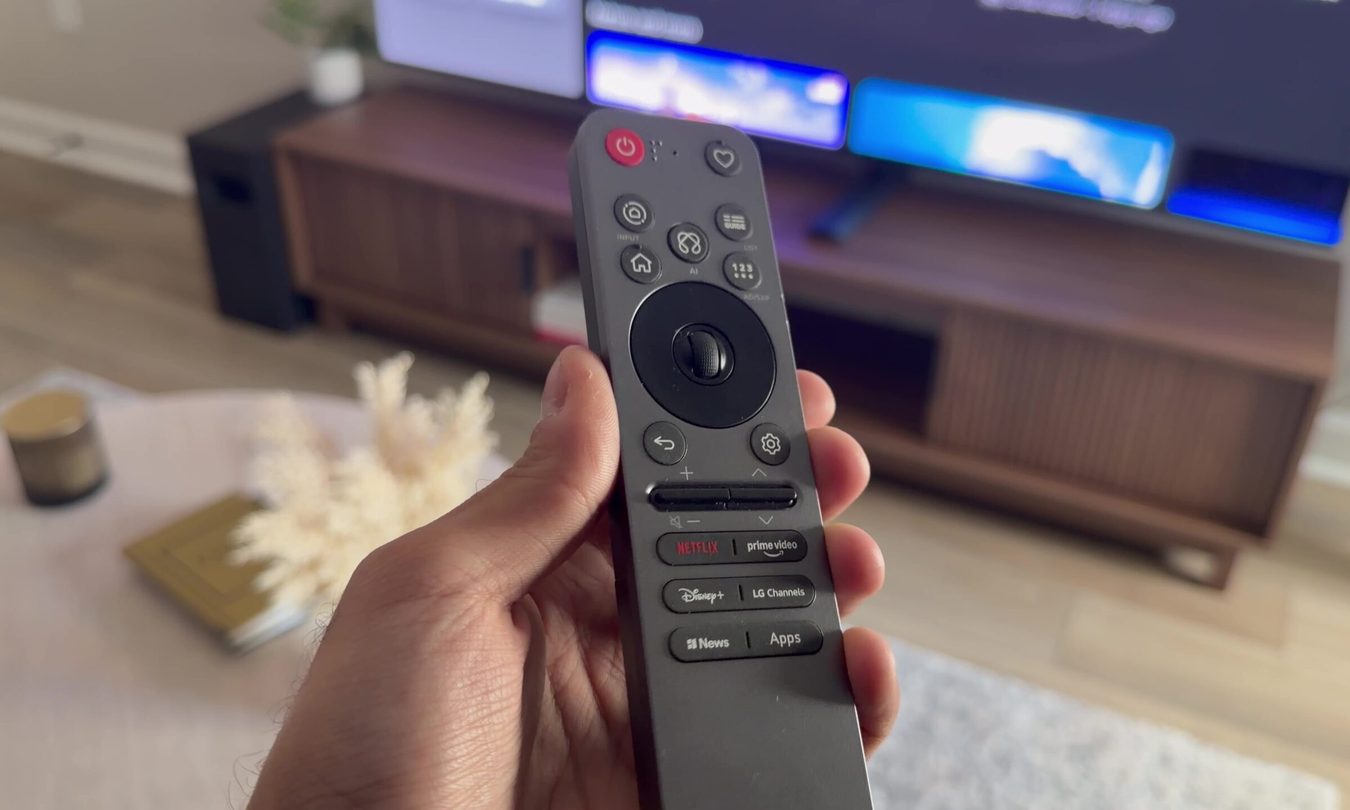
The two biggest audio trends in 2023 were open-ear earbuds and spatial audio. They weren’t new — both were already picking up steam a few years ago — but this was the year they became ubiquitous, as big and small brands jumped in with new products.
What was once niche is now mainstream, and you can expect that acceleration to continue into 2024.
Spatial audio

Spatial audio is a strange term. We’ve been talking about it for years. Dolby Atmos is spatial audio for commercial and home theaters, but it wasn’t until Apple introduced it as a headphones (and earbuds)-based experience that folks started using it in casual conversation.
Those conversations center around sources of spatial audio (mostly streaming services) and the products you need to hear spatial audio (headphones, earbuds, soundbars, etc.)
On the services side, Apple’s commitment to spatial audio (and to Dolby Atmos Music as the leading music spatial audio format) is so strong that it reportedly offered to pay artists and labels to create Dolby Atmos Music versions of their songs and albums and upload them to Apple Music.
I have some strong reservations about Apple’s decision — which have been echoed by others around here — but it illustrates the importance that Apple places on this immersive, 3D audio experience. You don’t necessarily need to buy Apple’s products (or even subscribe to Apple Music) to hear spatial audio, but Apple is betting you will anyway because, in classic Apple fashion, it makes it effortless.
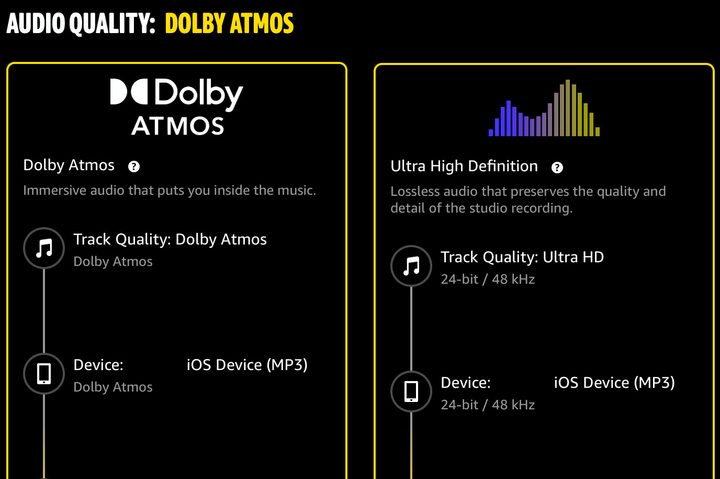
Apple Music doesn’t charge extra to access Dolby Atmos Music content (or lossless, hi-res audio), but that might change once the streaming service has acquired a critical mass of spatial audio tracks. Amazon Music also includes Dolby Atmos Music in its subscription price, but Tidal does not. If you want access to hi-res lossless, Dolby Atmos Music, or Sony 360 Reality Audio (another spatial audio format), you’ll need to pony up for the company’s HiFi Plus subscription tier — almost double the cost of Tidal’s standard $11 per month subscription fee.
The big elephant in the spatial audio room is Spotify. We’ve been waiting (and waiting) for Spotify to launch its oft-rumored Hi-Fi subscription tier for years. The thought was that it would follow Apple Music, Amazon Music, (and most other services) and create a new, more expensive subscription that would include lossless and possibly hi-res audio.
But Spotify might just be waiting for spatial audio to become big enough to make it the focus of its new tier instead of just lossless audio. Not everyone can hear or appreciate the difference that lossless audio makes — especially when listening via basic earbuds. But most people will agree (whether they like it or not) that spatial audio is a noticeably different listening experience. Spotify’s embrace of the format in 2024 would be a momentous occasion in the music industry.
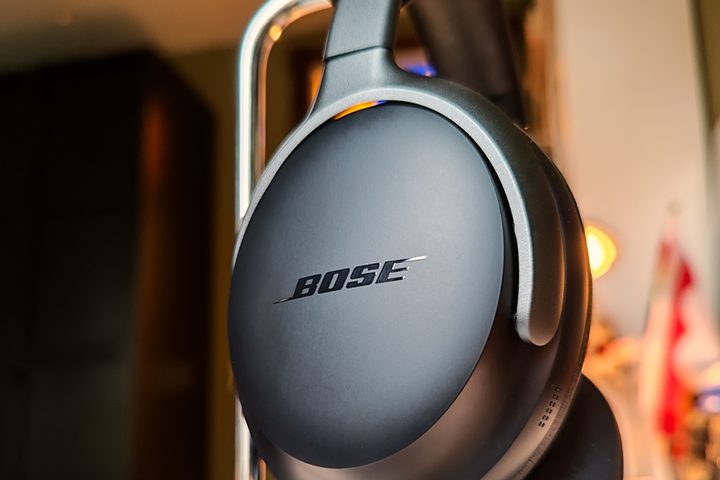
Meanwhile, headphone, earbuds, and speaker manufacturers went into spatial audio overdrive in 2023, doubling down on support for 3D experiences.
Head tracking — a way for headphones and earbuds to create a more lifelike spatial listening sensation by keeping some music elements locked in space relative to your head movements — was included on Sony’s flagship WF-1000XM5 wireless earbuds, which launched in 2023, and Sony added it to its WH-1000XM5 headphones via firmware update.
Not to be outdone, Bose did the same thing with its 2023 QuietComfort Ultra Headphones and QuietComfort Ultra Earbuds. So did Jabra. And OnePlus. And Beats.
I’m still not a huge fan of spatial audio via headphones or earbuds, but with this much momentum behind the technology, even more personal audio products will inevitably offer it in 2024.
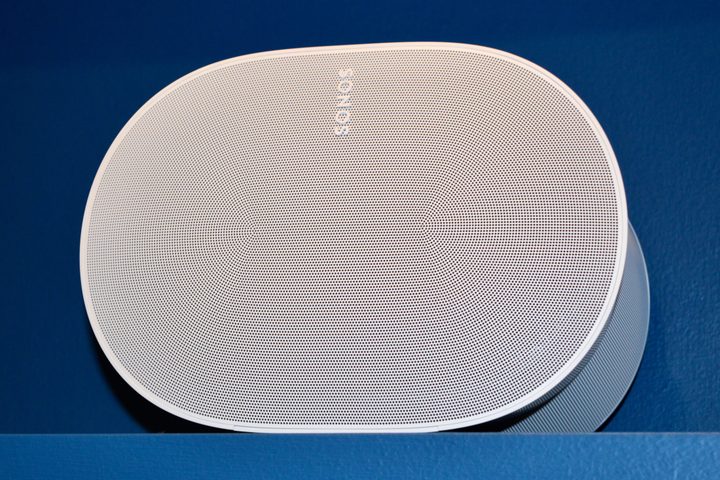
Speakers are arguably the best way to listen to spatial audio for both music and movies, but there’s a greater technical lift involved in creating these products. In 2023, Sonos launched the groundbreaking Era 300 — the first non-soundbar speaker to deliver Dolby Atmos Music — and it set the bar very high. JBL’s Authentics 500 will also support Dolby Atmos Music in 2024, and we can expect to see more companies follow their lead. I expect Bose, Sony, Sennheiser, Bowers & Wilkins, Bang & Olufsen, and others are already hard at work on their spatial audio products and that we may see them launch in 2024.
Open-ear earbuds
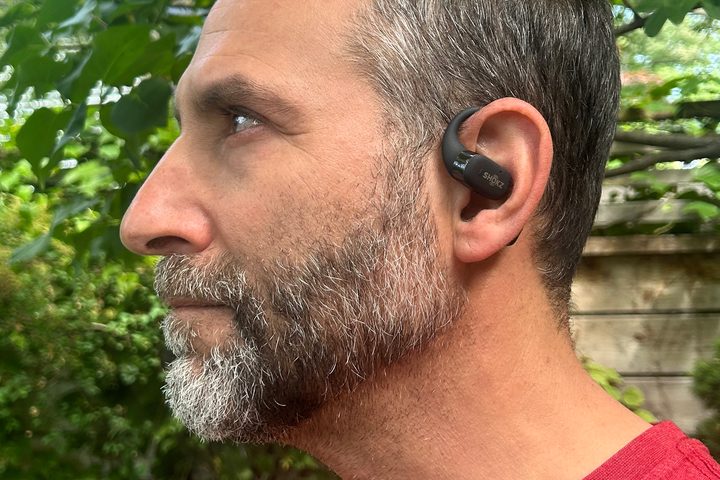
Bose might not have realized it when it debuted the Bose Sport Open headphones in 2021, but it created an entirely new category of product: open-ear earbuds. In 2023, we saw a tsunami of small and large companies debut their versions of Bose’s formula: earbuds that let you listen to your music while still being able to hear the world around you.
Where Bose failed to capture much attention (it abandoned the Sport Open less than 24 months after they launched), companies like Shokz, Soundcore, Oladance, and 1More are proving that there’s a lot of value in having earbuds that are comfortable (and practical) enough to wear all day.
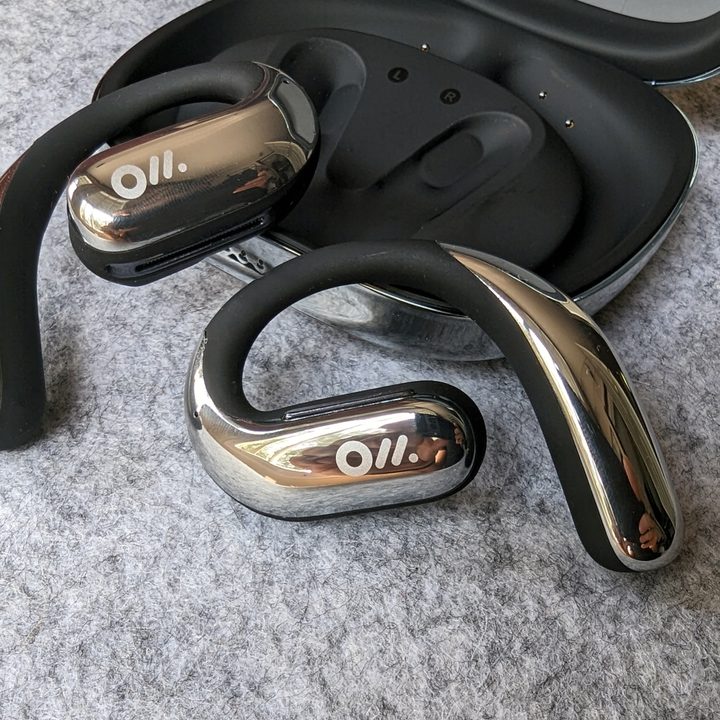
In 2024, I expect even more open-ear models to arrive. Sony was one of the first to experiment with this design, but its innovative LinkBuds proved to be too uncomfortable and insecure for many users. I think Sony will try again, this time with a more conventional design.
So far, Jabra, Audio-Technica, and Technics have resisted the open-ear call, but they likely won’t hold out for much longer. It would also make sense for Beats to try its hand at the open-ear category. The brand has long been a favorite of athletes thanks to the success of its PowerBeats Pro, and many open-ear designs use the same earhook shape as Beats’ earbuds, making it a natural extension of the company’s strategy.
Speaking of shapes, we’re going to see more experiments. Huawei has decided to try the ear clip design with its FreeClip earbuds, and I suspect there may be other ways to make the open-ear formula work, especially if they can deliver better sound quality — the one downside to a completely open design.