Asus has responded to recent concerns about its Q-Release Slim feature, following reports that the mechanism may cause damage to GPU PCIe connectors. The Q-Release Slim was introduced in August 2024 for Asus’s 800-series AMD and Intel motherboards, aiming to simplify GPU removal by allowing users to eject the graphics card with a tilting motion rather than pressing a traditional retention clip.
However, some users noticed that a metallic component inside the PCIe slot scraped against the GPU’s PCIe connector when using this feature. With repeated use, this scraping leads to visible wear on the connector’s sides. While the damage appears to be mostly cosmetic, users have expressed concerns about its long-term effects on GPU performance and durability. This issue is particularly noticeable for those who frequently swap or upgrade their graphics card.
The quick release design on ASUS intel 800/AMD 800 series motherboards can damage the graphics card PCB.
ASUS tony response: will contact to solve the problem.https://t.co/tGop6l3IFg pic.twitter.com/EqJiHBobeX
— HXL (@9550pro) January 24, 2025
Notably, despite the visible wear, the gold-plated contacts on the GPU’s PCIe connector remain unaffected, meaning the card’s functionality and performance should not be compromised. Asus users have taken to online forums to share images and discuss their experiences, with some worried about potential long-term damage if the scraping continues over time.
In response to these reports, Asus conducted internal evaluations and concluded that no damage affecting functionality or performance was found. The company said in a statement shared with Digital Trends:
“In our internal testing and evaluation of the extremely small number of cases reported, we found no damage to the motherboard or graphics card that would affect functionality and/or performance.”
Asus further explained that all PCIe add-in cards are expected to show signs of wear after approximately 60 installation and removal cycles. The company advises users to follow official GPU removal guidelines to minimize potential wear and tear.
To mitigate concerns, Asus recommends carefully following the removal process outlined in their manuals. Additionally, users who frequently swap GPUs should handle the process with extra care to avoid unnecessary strain on the connectors.
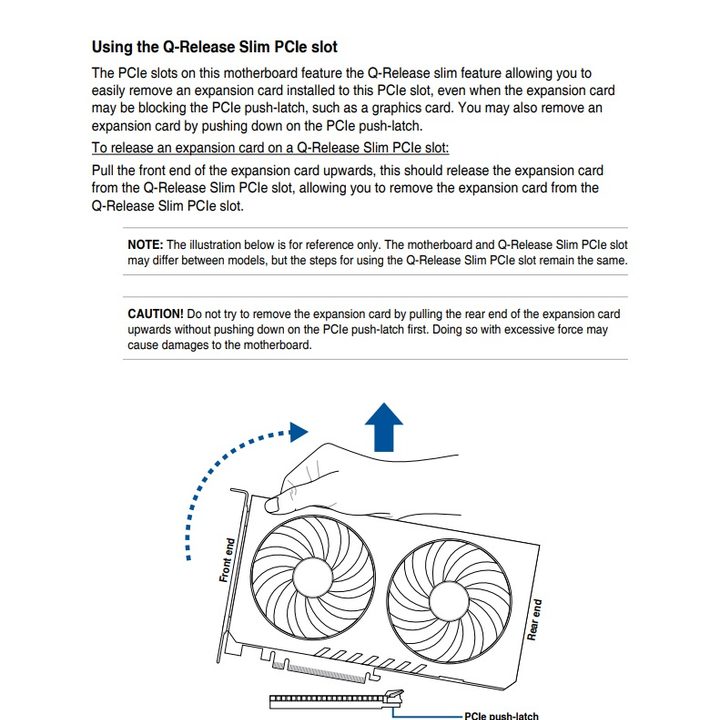
For those still concerned about possible long-term effects, Asus encourages users to contact their customer support for further assistance. As of now, the company has not announced any design revisions for the Q-Release Slim mechanism, but continued feedback from the community may influence future motherboard designs.