The numbers from TV brands tell us that most people don’t change many, if any, TV settings to get the best or ideal image quality. It’s a real shame, especially when dropping big bucks on a TV, and especially if your set is a 115-inch monster like the TCL QM891G.
For big TV energy — 85 inches and up — it’s the little things that can make a significant difference because everything is magnified on a screen of this size. Let’s take a look at what settings can be adjusted to achieve maximum viewing joy from your TCL TV.
Turn off these automatic settings
The first thing to change: Turn off the TV’s Eco mode (in the TCL QM891G, which runs Google TV, it’s called Energy Saving). The TV may have prompted you to do this during setup, but if not, here’s how.
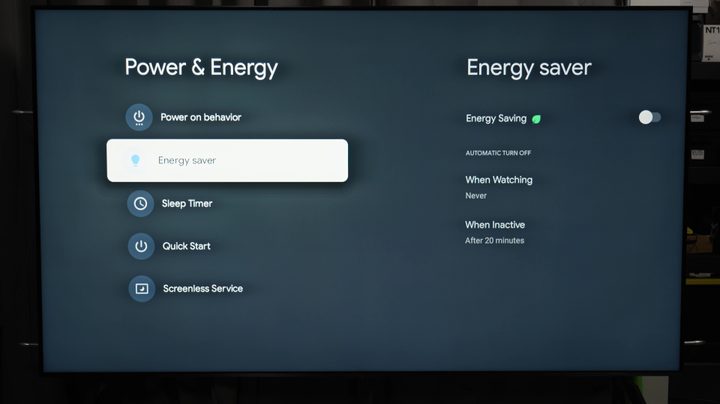
From the Home Screen, press the Settings button on your remote. Select All Settings, navigate down to System, then to Power and Energy, and then Energy Saver, and make sure it’s turned Off. This ensures you have complete control over TV brightness. If Energy Saver is turned on, you’ll notice in the bottom right corner that brightness can’t be pushed past 60. Even worse, Adaptive Brightness will be turned on, allowing the TV to change brightness in order to save energy. That would probably make for a less-than-ideal viewing experience.
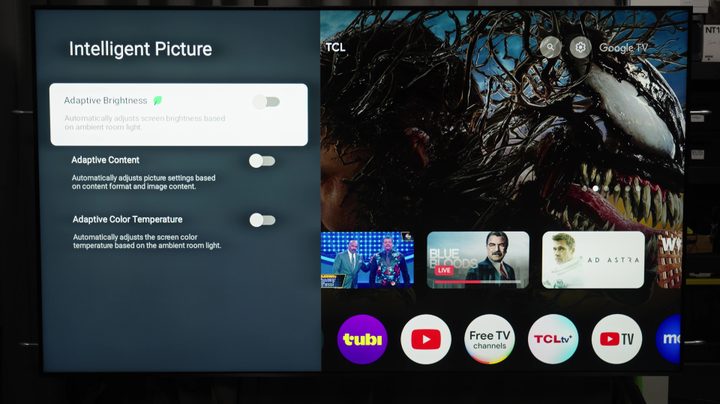
Make sure that Adaptive Brightness is turned Off. From the All Settings menu, head down to Display and Sound, then to Intelligent Settings, and then Intelligent Picture. You’ll see Adaptive Brightness, Adaptive Content, and Adaptive Color Temperature — turn them all Off. Otherwise, the TV will make automatic adjustments not just to brightness, but also color temperature based on the room’s ambient light and content on the screen.
Get the best brightness, the warmth you want
With these automatic settings turned off, select a Picture Mode. From the home screen, press the Settings button, then go down to Picture, then Picture Mode. There are five Picture Mode options available — we recommend Movie for its warmer and more natural tones. Sports Mode tends to juice up things too much and make colors look unnatural. Smart HDR is a little better, but still a bit oversaturated. It’s an obvious “no” to Low Power, and Vivid falls into the same category as Sports, delivering an image that is too harsh.
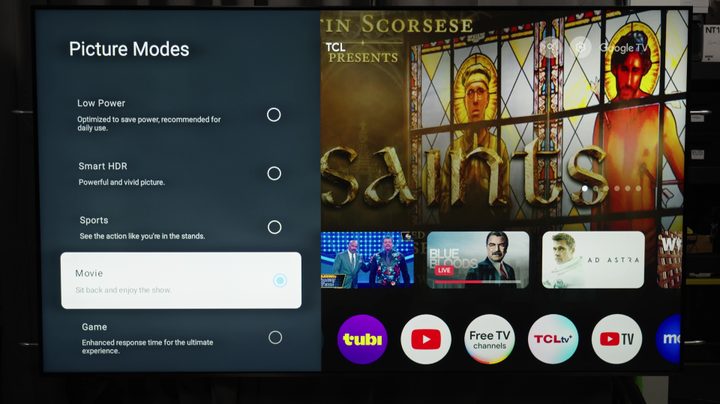
Next, set the brightness you want from your TV. If you’re watching during the day in a room with a lot of ambient light, you might prefer higher brightness. If it’s a darker room or you’re watching at night, you might want to turn the brightness down. Big TVs can produce a lot of light, and sometimes it’s just too much.
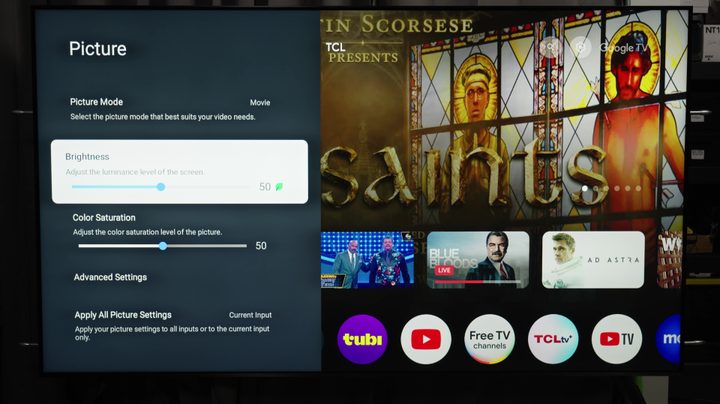
You’ll also want to change the settings for SDR (standard dynamic range) and HDR (high dynamic range). From the home screen, set the brightness for SDR content: Press the Settings button on your remote, go to Picture, and then choose Brightness. From there, make the adjustments to your liking.
To adjust HDR brightness settings, you’ll want to play with some HDR content, such as a show on a streaming service. (YouTube is an easy source — Jennifer Gala’s channel is a great option for HDR content.) A format indicator, such as HDR10, in the top corner will show that you’re viewing HDR content so you know you’re adjusting brightness for HDR.
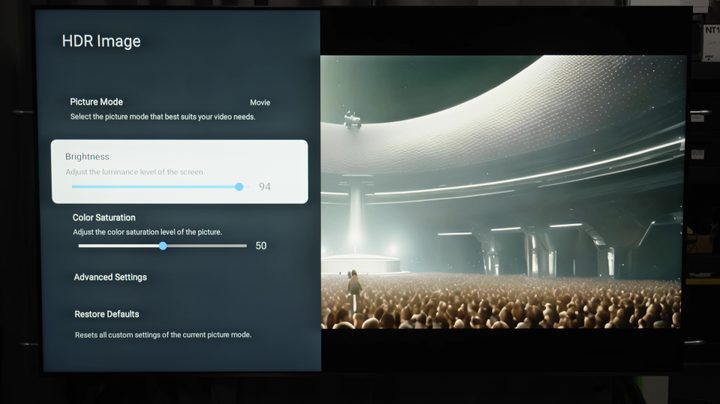
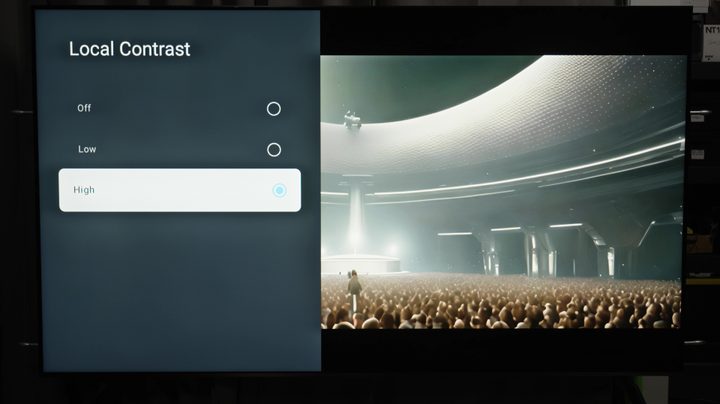
There’s one more option to further fine tune your TCL TV’s brightness. From the Picture menu, choose Advanced Settings. Then select Brightness Settings and head down to Local Contrast, which adjusts backlight and contrast on different areas of the screen to optimize picture performance. When toggling between Off, Low, and High, you’ll see significant differences: Off results in a much flatter image, Low provides a little brightness and punch back, and High delivers much more brightness across the board and more contrast between brighter and darker areas. To get the most out of the TV’s HDR performance, set the Local Contrast to High and turn the brightness up to 100, if your eyes can handle it.
Smoother viewing, more control
You can also adjust motion smoothing. This really comes down to personal preference and whether or not you even notice the jarring effect that can result from different frame rates.
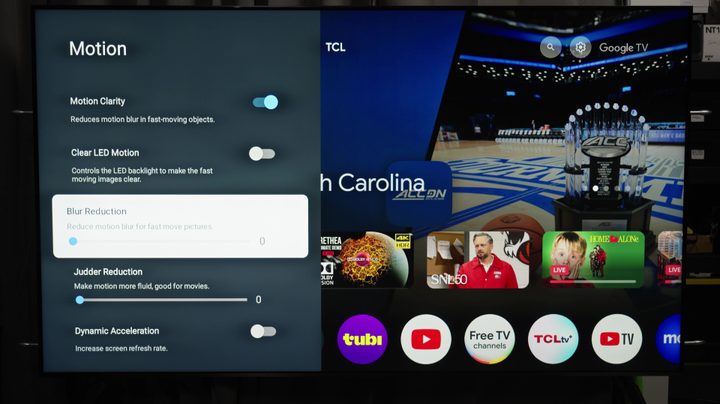
To customize motion smoothing on a TCL TV, start with Picture Settings, head down to Advanced Settings, and then select Motion. You can have Motion Clarity turned off altogether if you like. If you turn it on, use the pair of sliders to set your preferences for Blur Reduction and Judder Reduction. Play around to find what you like best for different types of content. You may prefer movies and shows filmed at 24 frames per second (fps) to look one way and higher frame rate content like live programming, reality TV, and sports to look another.
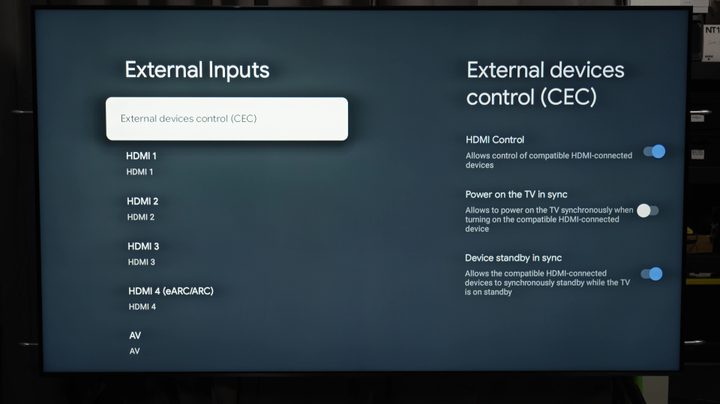
There are also some settings that can make connecting your TV with external devices like a soundbar, Blu-ray player, or gaming system easier and more convenient. To set that up, go to the All Settings menu, then to Channels and Inputs, then External Inputs, and then External Devices Control (CEC). Make sure HDMI Control is turned on. This allows you to control things like soundbar or receiver volume, Blu-ray player menus, or even game console menus with one remote.
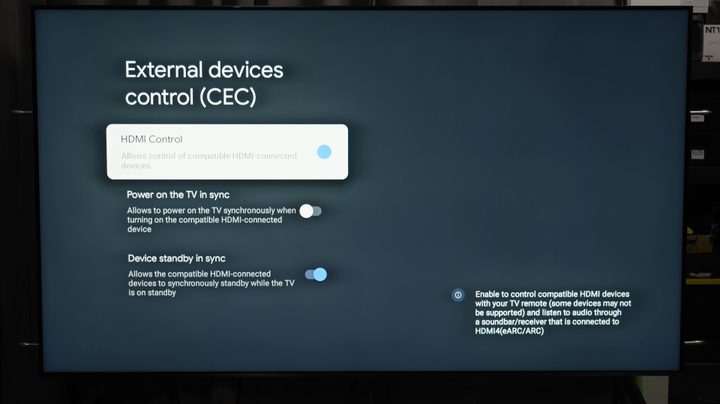
There are also a couple of “in sync options” that allow devices to power on or rest in standby in sync (synchronously) with each other. You can fine tune those settings, too.
These settings changes to picture quality will help set up your TV viewing for success. If you want to make additional or more detailed changes, you’ll now have a better understanding of where some of these options live and what it means to change them.
Have a different brand of TV and want to make similar adjustments? Most modern TVs have similar features to TCL, however, they might be labelled differently, and it can get confusing. If you’re looking for LG, Samsung, Sony, Hisense, or Panasonic, we have instructions for those, too.