

Qualcomm is refreshing its lineup of mobile gaming silicon by introducing three new processors that will soon appear inside Android-based handheld gaming devices. At the top of the summit is the Snapdragon G3 Gen 3, targeted at high-performance enthusiast gaming.
In the coming weeks, this top-of-the-line silicon will make its way to the market powering handheld gaming consoles from the likes of Ayaneo and Onex. The mid-tier Snapdragon G2 Gen 2 silicon is targeted at 144fps gaming, while the Snapdragon G1 Gen 2 will focus on less powerful devices with a cloud-first gaming approach.
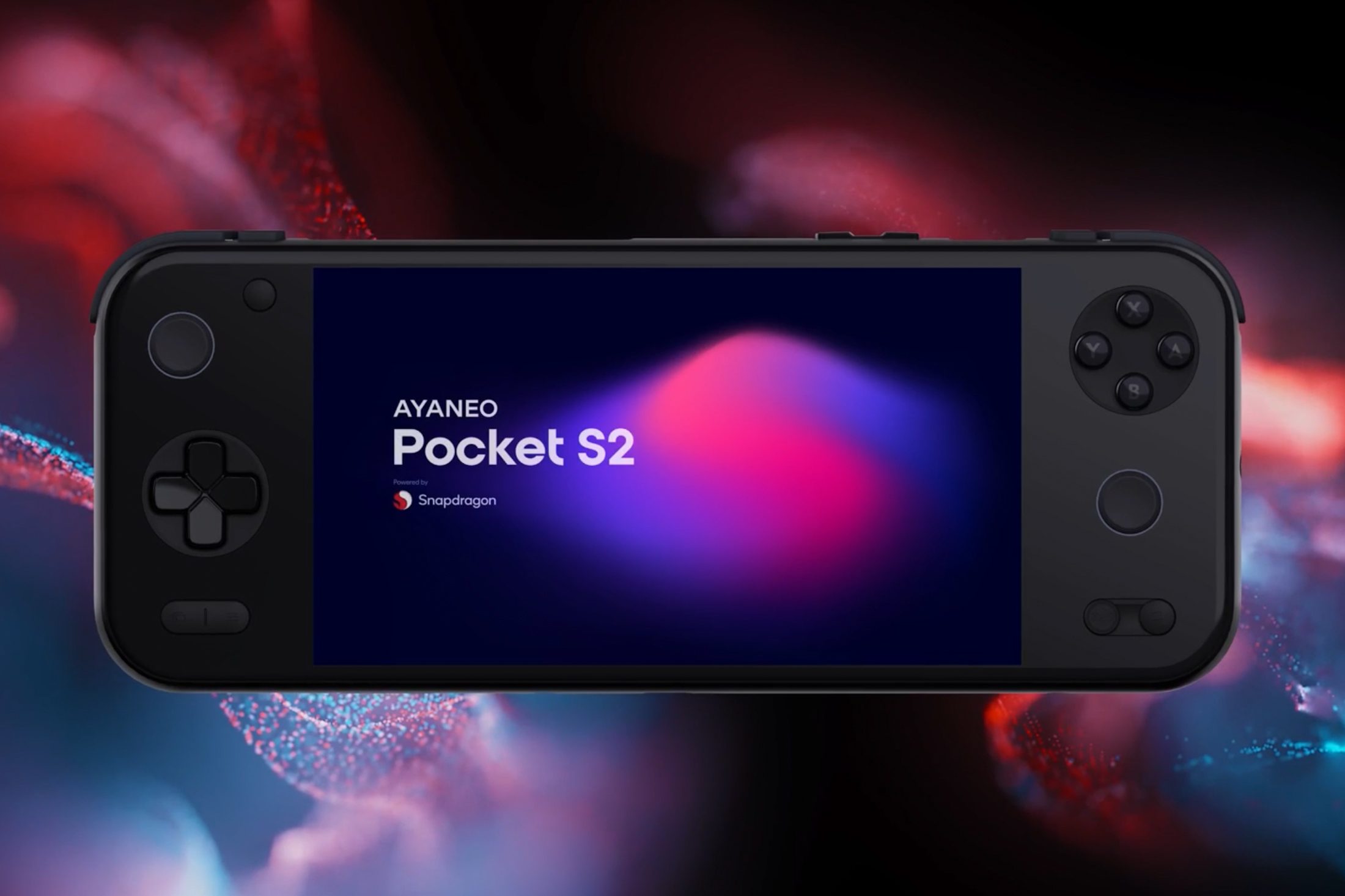
Starting with the flagship variant, the Snapdragon G3 Gen 3 chip is a successor to the Snapdragon G3x Gen 2 silicon, which powered devices such as the Ayaneo Pocket S. It’s an octa-core silicon with a 1+5+2 core layout. For demanding tasks, there’s a lone prime core, ticking alongside five performance cores and a pair of efficiency cores.
Qualcomm says it offers a 28% graphics performance boost compared to its predecessor and supports hardware-accelerated ray-tracing, as well. It ships with Qualcomm’s Snapdragon Game Super Resolution stack as well as the Adreno Frame Motion Engine 2.0 tech to offer a smooth visual experience.
It is also the first Snapdragon G-series product to support Unreal Engine 5’s Lumen system for handling illumination and reflection in games. On the hardware side, it can drive devices rocking up to a QHD+ screen with a peak 144 Hz refresh rate.
This chip will first appear inside the Ayaneo Pocket S2, which is set for a market release later this month, toting better thermals and a refined input layout. This one doesn’t deviate too much from the original Pocket S in terms of designs, but the innards have received some notable upgrades.
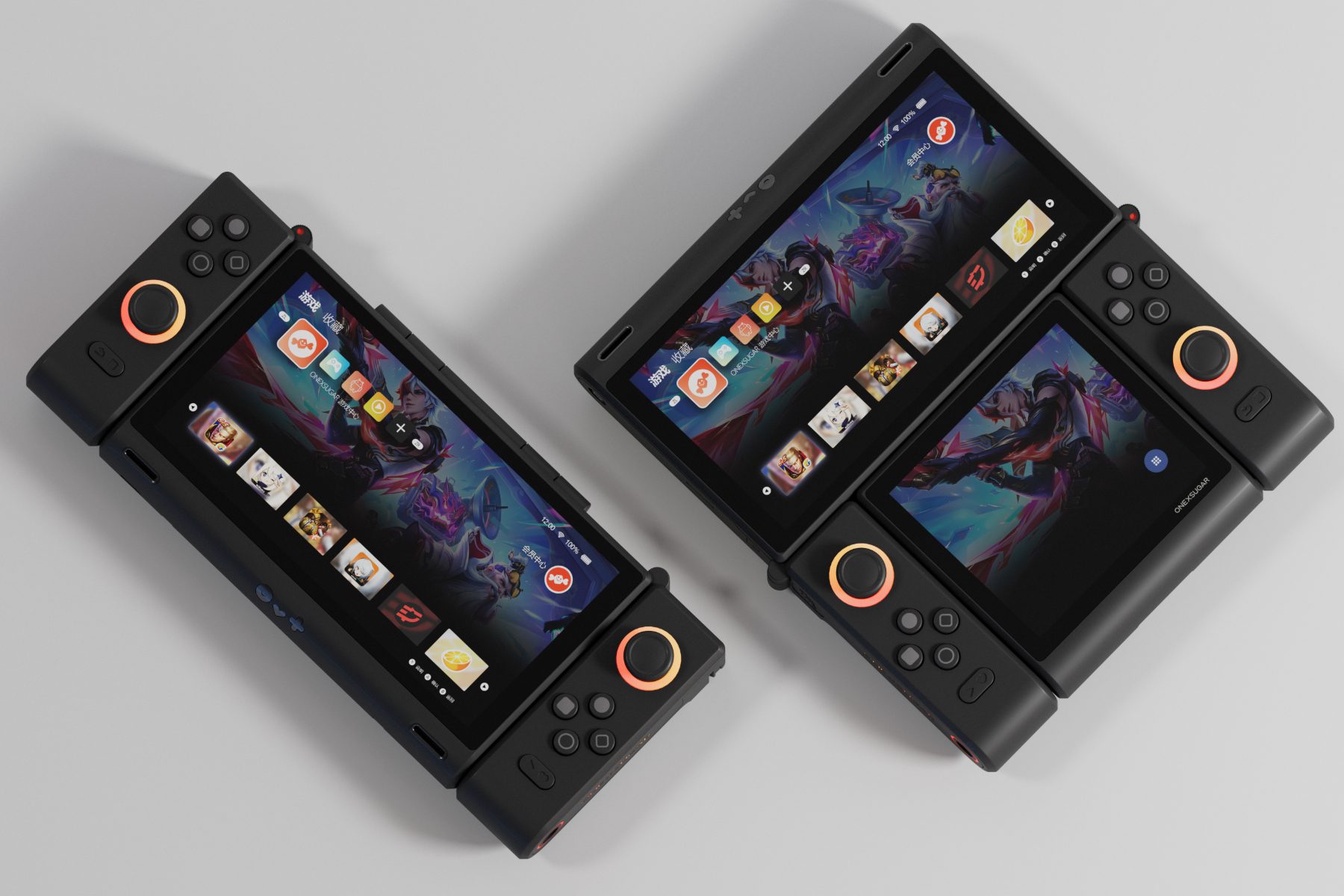
The upcoming Ayaneo Gaming Pad tablet, set for a May launch, will also draw power from the same processor. It will be joined by the OnexSugar Sugar 1 handheld, which is set to hit the shelves as the world’s first dual-screen Android-based gaming handheld device.
The low-end market gets its due, too
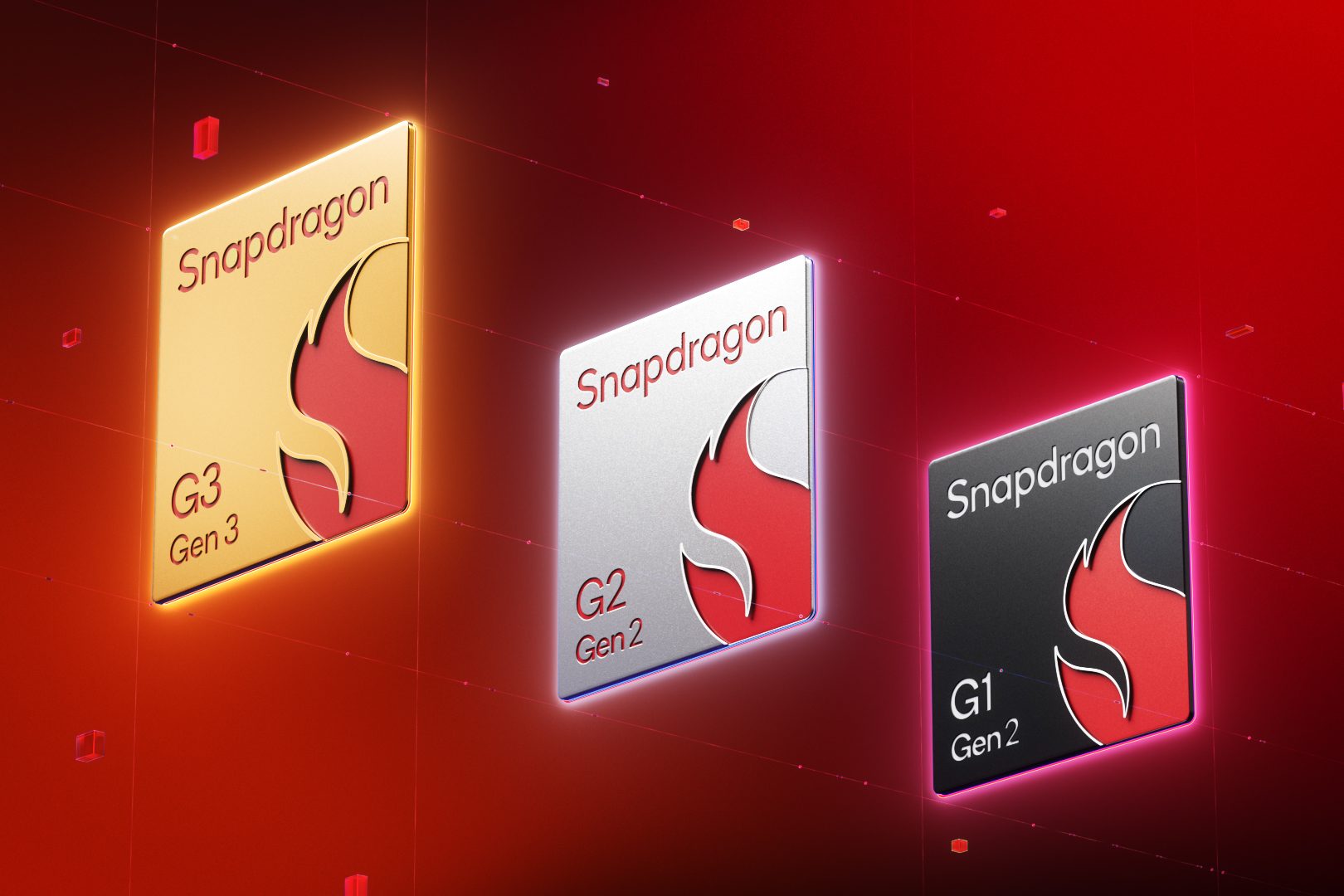
Covering the mid-tier segment is the Qualcomm Snapdragon G2 Gen 2 silicon. This octa-core processor features a single prime core for demanding chores, four performance cores, and three efficiency cores.
It offers a massive 2.3x boost in CPU performance, while the graphics output gets an even higher 3.8x generation-over-generation boost. Just like its flagship sibling, it can also handle a 144Hz QHD+ panel and will appear inside a Retroid handheld in the coming months.

Finally, we have the Snapdragon G1 Gen 2 silicon. This one misses out on a prime core and instead goes with a 6+2 layout that includes two mid-tier performance cores and six low-end efficiency cores.
Qualcomm is touting an 80% CPU performance gain for this one, alongside a 25% jump in graphics performance courtesy of the onboard Adreno A12 GPU. It can handle panels with up to full-HD+ resolution and 120Hz refresh rate.
Retroid is among the earliest adopters of this low-power gaming chipset. The Retroid Pocket PR Classic, launching later this month, will serve the Snapdragon G1 Gen 2 processor alongside an OLED screen, 5,000 mAh battery, and active cooling.


