In 2024, Hollywood was roiled by protests led by the SAG-AFTRA union, fighting for fair rights over their physical and voice identities in the age of AI. A deal was inked late last year to ensure that artists are fairly compensated, but the underlying current was obvious.
AI in films is here to stay.
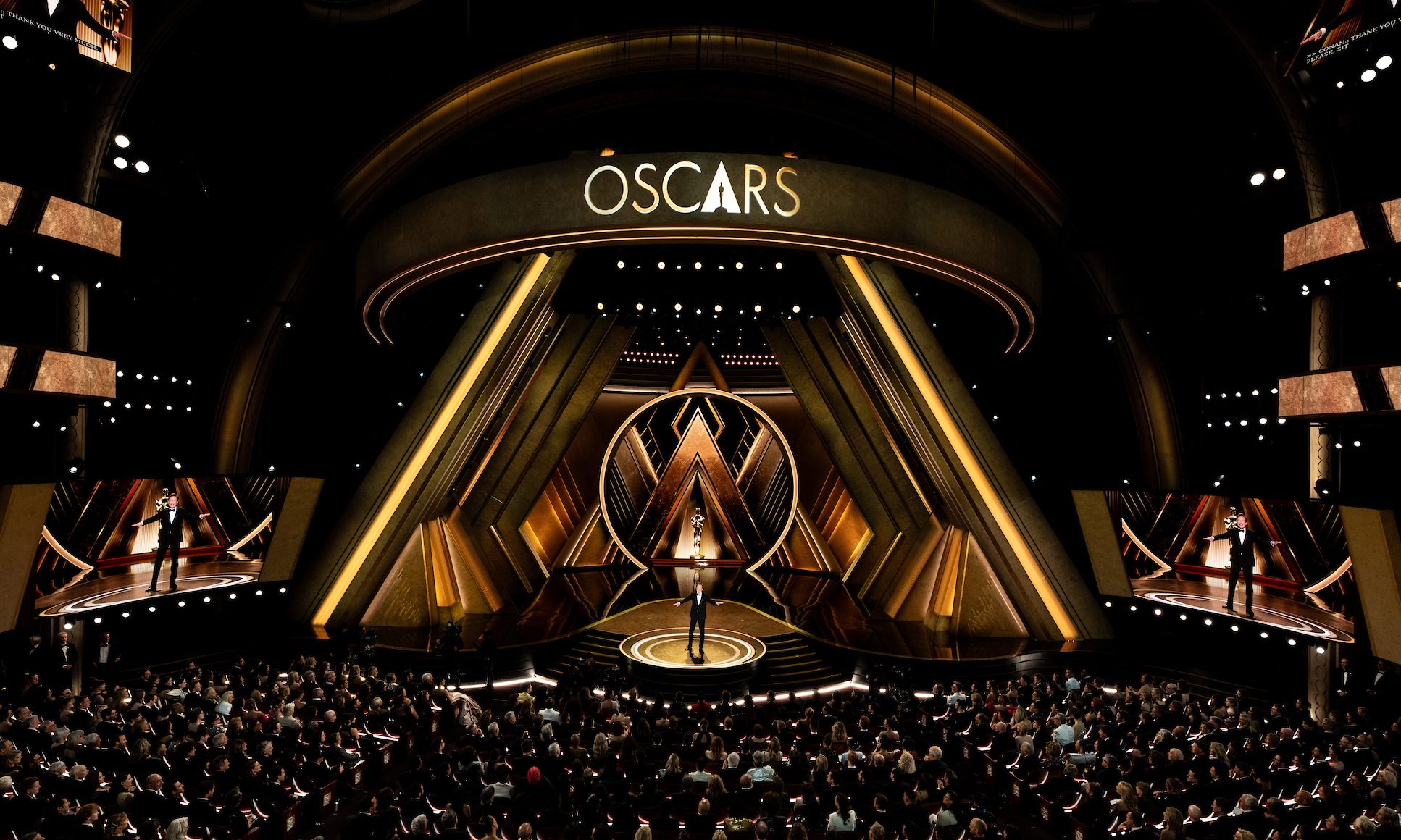
If there was any lingering doubt about the future of AI in Hollywood, the Academy of Motion Picture Arts and Sciences has just confirmed it. The body behind the prestigious Oscars honors says it is okay with the usage of generative AI in films.
“With regard to Generative Artificial Intelligence and other digital tools used in the making of the film, the tools neither help nor harm the chances of achieving a nomination,” the body said. In a nutshell, the final product is what matters.
AI is already mainstream in filmmaking
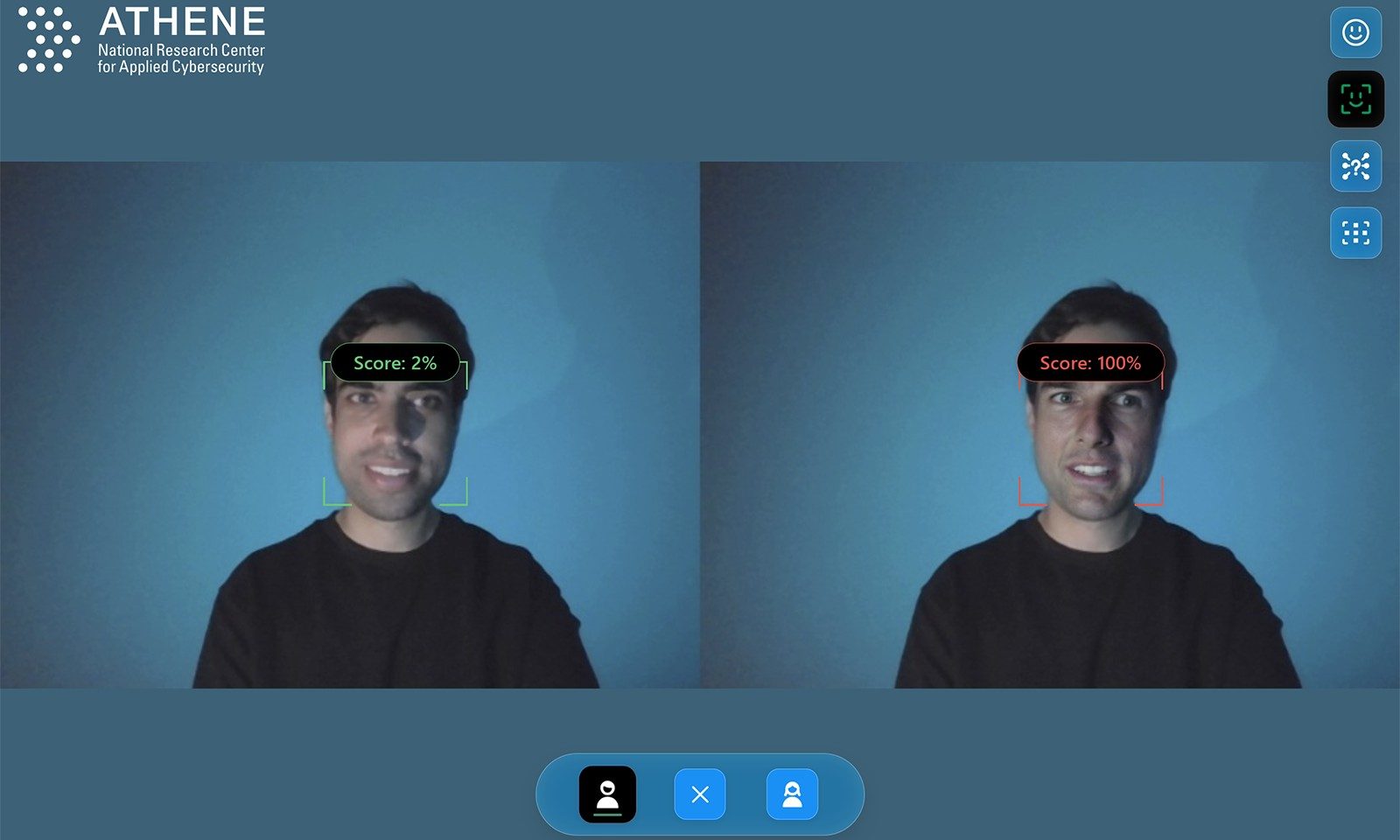
Now, focus on the word “generative AI,” and not the colloquial term AI. Hollywood has been using AI tools for a while now. Filmmakers are using tools such as Axle AI for tasks like face recognition, scene detection, and transcription.
Magisto relies on Emotion Sense technology for video editing. Then we have AI software such as Strada AI, which assists with file organization and remote editing. DJI’s AI-powered autofocus system has also been used for tighter focus locking in projects such as Alex Garland’s Civil War.
Twelve Labs offers a powerful tool for scene identification, while Luma AI helps with scene rendering in 3D space. These are just software tools that deploy AI for technical tasks. More importantly, these tools are not necessarily generating the fundamental content that defines a film, such as visual scenery and voices.
Generate with AI, fight for the Oscars?
Generative AI is a subset of AI tools that creates content. Think of a chatbot like Gemini or ChatGPT writing a whole script for you. Google’s Imagen or Midjourney making images from a text prompt. Or next-gen tools such as OpenAI’s Sora or Google’s Veo creating photorealistic or cinematic clips.
That’s where the problems begin. AI-generated videos mean a human artist, or two, lose their job. The same applies to voice generation and dubbing, both of which can now be experienced and generated in an eerily human likeness.
There is already plenty of precedent for that. Marvel got some sweet backlash for using AI visuals in the opening credits of its Secret Invasion TV show. The Runaway AI engine was deployed in the blockbuster that was Everything Everywhere All at Once.
But just how far can the input of generative AI go before it is flagged or disqualified from the Oscars race? Well, there is no hard rule on it, and the language used by the Academy is also pretty vague.
How far is too far for the Oscars?
“The Academy and each branch will judge the achievement, taking into account the degree to which a human was at the heart of the creative authorship when choosing which movie to award,” says the institution.
In a nutshell, it’s up to the human voters to decide the artistic merit of a film. That would also mean personal biases about the role of generative AI content in a film will also seep into their voting process.
But hey, multiple Academy Award winner James Cameron now serves on the board of directors of artificial intelligence (AI) firm, StabilityAI. One of the biggest names in the generative AI race, the company is also at the center of blockbuster copyright lawsuits against Getty and human artists.
But the AI juggernaut in the entertainment industry is not stopping. The use of generative AI tools has also increased in the games industry after the landmark union protests last year, and the likes of Microsoft are even making tools to put AI assets into games.
Would you want to play an AI-created game? That’s up for debate. Should the Academy keep the art of film-making pristine from a tool that is notorious for unfair and unethical usage of human content for training? That fate has been sealed, it seems.