  1. Home
  2. Cars
  3. Emerging Tech
  4. Legacy Archives

Hyundai ix35: Europe gets dibs on world’s first production hydrogen fuel-cell vehicle

Add as a preferred source on Google
ix35
Image used with permission by copyright holder

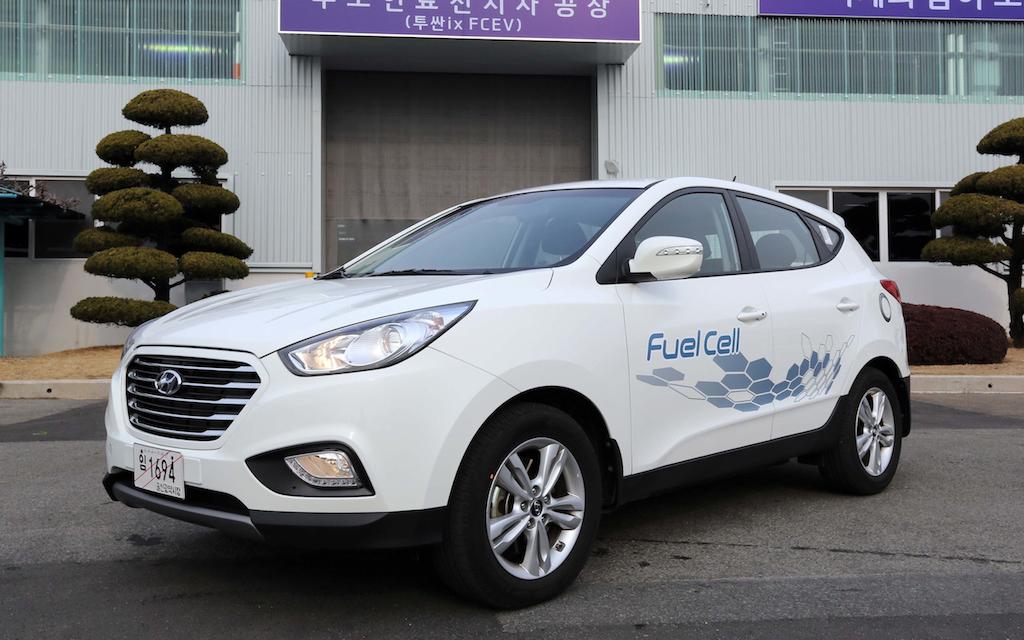
Hyundai  announced that it has successfully built the world’s first assembly line production hydrogen fuel-cell vehicle. Hyundai says it will build 1000 units of its ix35 (or Tucson as we know it here in the States) hydrogen-powered crossover, the first of which will make their way to Europe as fleet vehicles for dozens of municipalities.

While other automakers have had hydrogen fuel-cell cars for years – Mercedes-Benz’s F-Cell  and Honda’s FCX Clarity spring to mind –  none have made the jump to full blown production vehicle. Marking Hyundai as an industry leader, and earning an unofficial gold star (or is that green star?) in the process.

Recommended Videos

The fuel-cell-powered ix35 has been given a distinctive grille, front bumper, fog lamps, instrument cluster, and a seven-inch satellite navigation screen to apparently enhance its marketability.

The ix35 hydrogen drive system works by taking onboard hydrogen and converting it into electricity with what is called a “fuel stack.” That generated electricity then powers the ix35’s electric motor, thereby driving the wheels. Additional power is stored in a lithium-ion battery pack. Unlike traditional gasoline or diesel hybrids, the fuel-cell car produces only water vapor emissions.

While the powertrain is a bit unconventional, the performance is similar to that of a standard gasoline-powered Hyundai Tucson. The fuel-cell power output is rated at 134 horsepower. The ix35 will go 0-62 MPH in 12.5 seconds and hit a top speed of 100 MPH. The full range has been estimated at 370 miles per “tank” of hydrogen.

Why does Europe get most of the first 1000 ix35s? The European Union has paved a roadmap toward hydrogen-powered cars and invested in the initialization of hydrogen fueling stations across the continent. According to Hyundai, the ix35 aligns with the 2009 agreement by the European Union’s G8 countries to reduce carbon emissions by 80 percent by 2050 and California’s Zero Emission Vehicle regulations.

Hyundai’s press release didn’t indicate how many of the ix35s would be headed to the U.S. market, how much they would sticker for, and when we could expect them to roll out.

We reached out to a Hyundai representative for an answer but have yet to receive any further details.

Nick Jaynes
Former Automotive Editor
Nick Jaynes is the Automotive Editor for Digital Trends. He developed a passion for writing about cars working his way…
Volvo’s purported EX50 could be the budget-friendly plot twist nobody saw coming
Volvo's next electric SUV could shake up the EX lineup with more room and a smaller price tag.
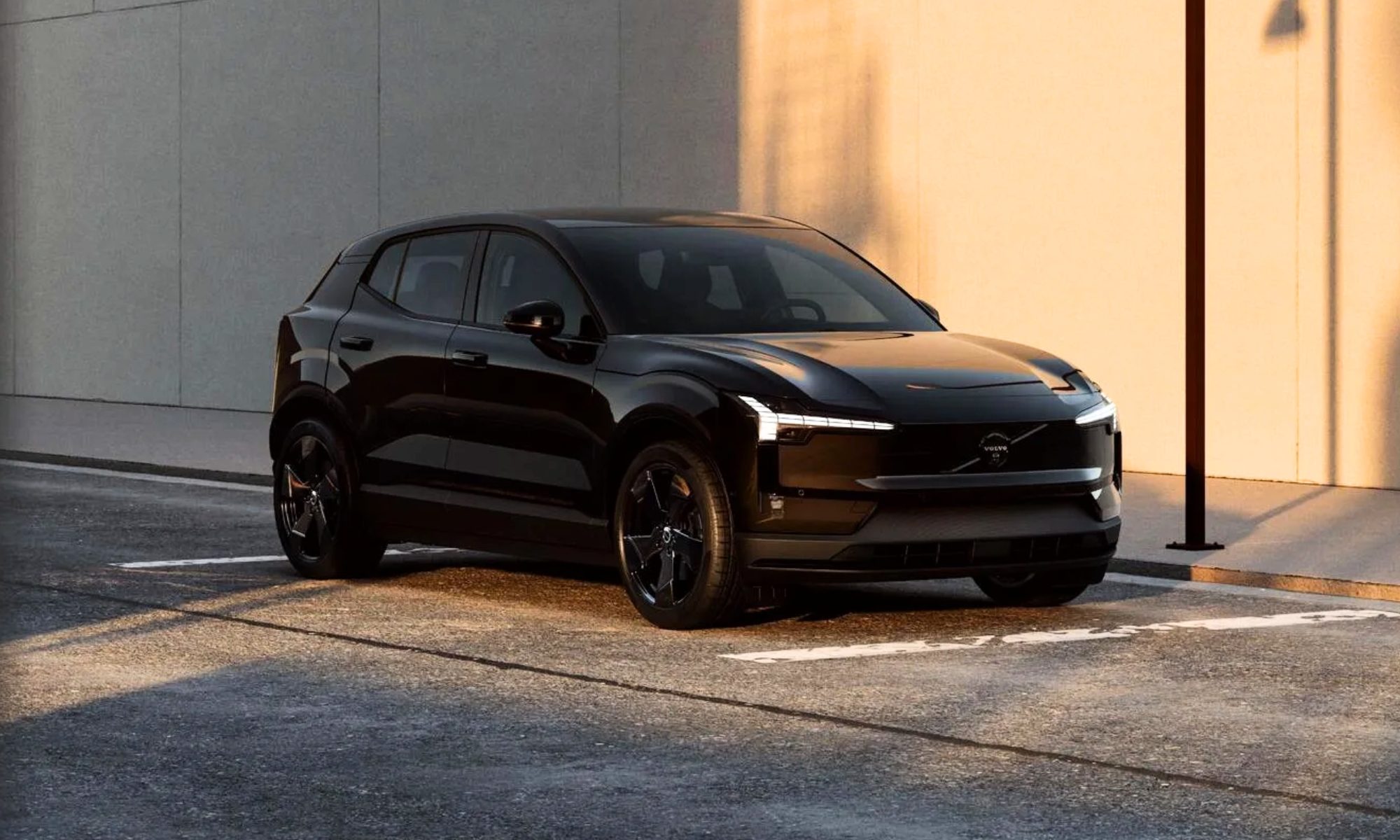
Volvo EX30 front profile.

Volvo’s electric lineup needed a genuinely affordable entry point, and a new report suggests that buyers might actually get one. 

According to a new Automotive News report, Volvo is quietly working on a compact electric crossover, called the EX50. It will be aimed at replacing the dated EX40 in the US sometime in 2027. 

Read more
Xiaomi just launched an SUV with seven seats and a bedroom upstairs
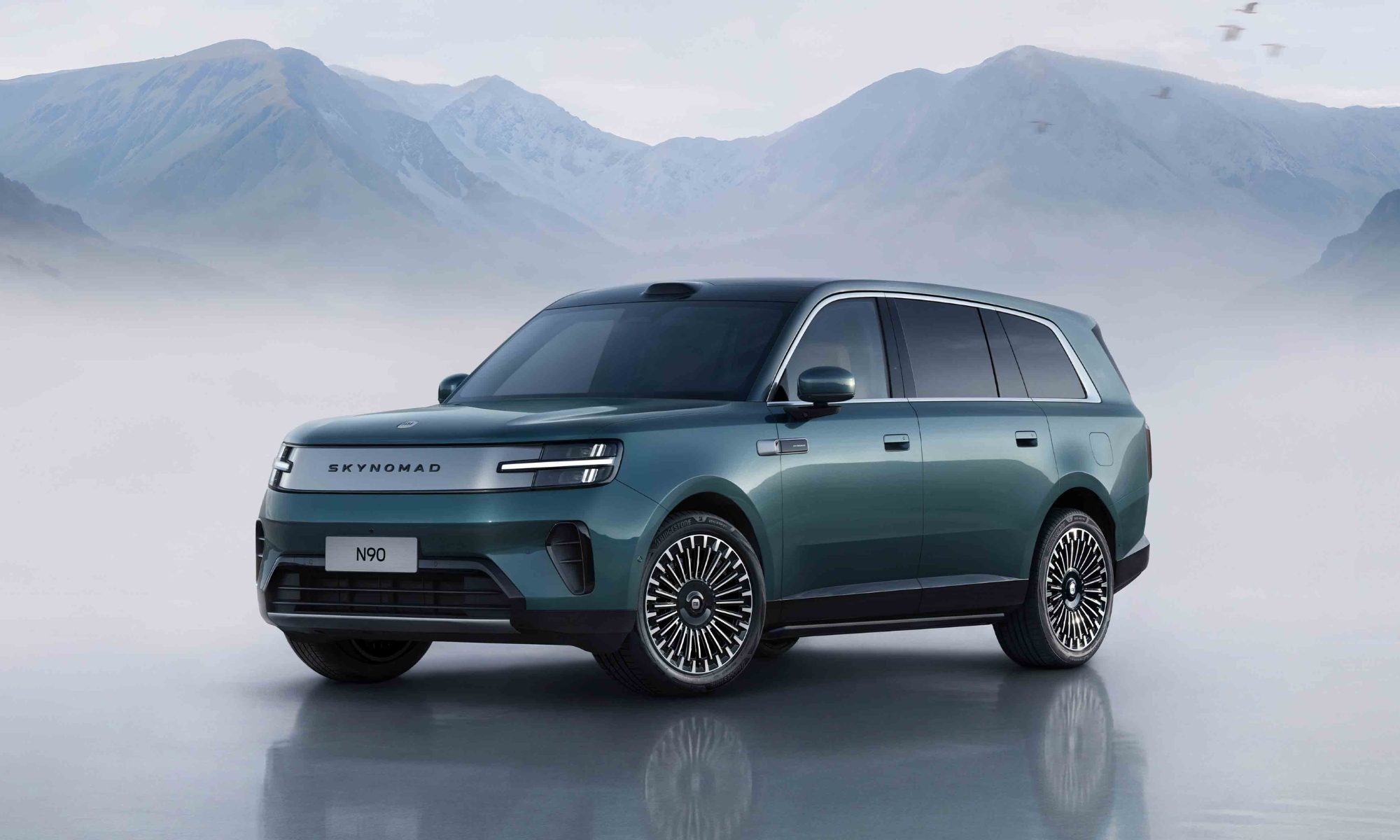
Xiaomi’s SkyNomad SUV could replace your car, office, lounge, and tent
Skynomad

Xiaomi’s new family SUV is basically a house on wheels with enough claimed range to cover more than 1,000 miles. It also costs considerably less than its outlandish feature list might suggest. The company has officially launched the SkyNomad N90 Max in China for 299,900 yuan, equivalent to roughly $44,400 through direct conversion.

Preorders are open now, with the first vehicles expected to reach customers in September. The converted figure provides useful context, though it does not represent pricing outside China. Xiaomi describes the seven-seat flagship as a “house you can move.” This unusually grand pitch starts making sense once you see what happens inside.

Read more
Mazda chief says the MX-5 Miata could go electric
2019 Mazda Mazda3 AWD review

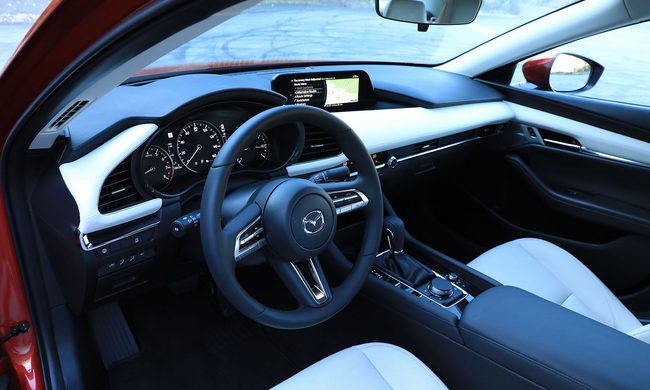
For years, the idea of an electric Mazda MX-5 Miata felt almost impossible. The little roadster has always been celebrated for one thing above everything else: keeping things light. Add a heavy battery pack into the equation, and many enthusiasts assumed the Miata's trademark driving character would disappear along with it.

Mazda, however, appears to have changed its mind. In an interview with German publication auto motor und sport, Mazda CEO Masahiro Moro confirmed that the next-generation MX-5 is being developed with the possibility of an all-electric version in mind. It doesn't mean the iconic roadster is abandoning gasoline anytime soon. Still, it does suggest Mazda wants the Miata to survive in a future where internal combustion engines may no longer be an option.

Read more