  1. Home
  2. Mobile
  3. Legacy Archives

Sprint Launches First Android Phone, the HTC Hero

Add as a preferred source on Google

Although retailer Best Buy jumped the gun a little bit, Sprint has formally launched its first Android device in the form of the HTC Hero, a highly-customizable smartphone with a 5 megapixel camera, 3.2-inch touchscreen display, a virtual QWERTY keyboard, and support for up to 32 GB of removable storage—and, of course, it’s running Android, which means it comes with built-in access to Google services (like Google Maps, Gmail, and YouTube) plus access to the growing Android market to feed user’s need for applications.
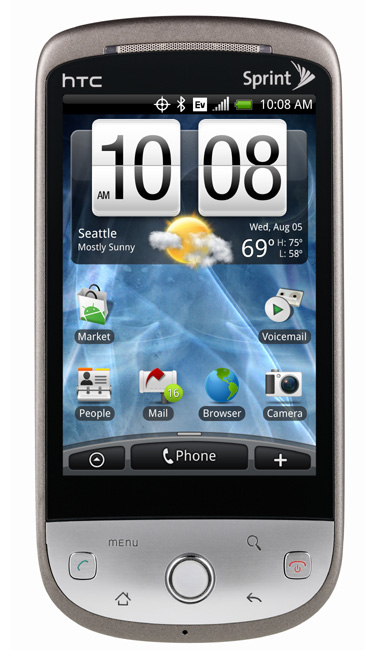
HTC Hero
Image used with permission by copyright holder

The HTC Hero features a 3.2-inch capacitive touchscreen display, a video-capable 5 megapixel camera, a microSD slot for up to 32 GB of removable storage, integrated GPS, Bluetooth 2.0, and a trackball for easy navigation and scrolling. The HTC Hero also features an accelerometer and light sensor that help fuel innovative features; for instance, the Hero can be silenced just by turning it over. The Hero’s interface is built around HTC Sense, which lets users set up different “Scenes” for different aspects or roles in their lives: a “Work” Scene might feature email and a calendar, where a “Geocaching” scene might have weather updates, music, and maps at the ready—along with Twitter feeds from fellow geocachers. Scenes are designed to be fully customizable by the user to bring information they need right to the home screen. The Hero also features HTC Footprints, which enables users to create location-tagged digital postcards on their phones, with a picture, notes, or an audio message.

Recommended Videos

Sprint is offering the HTC Hero for $179.99 with a two-year service contract. That price is after both a $100 mail-in rebate and $50 “instant savings” deal.
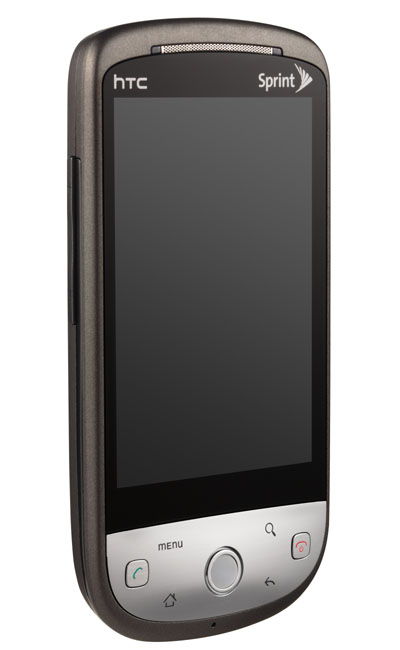
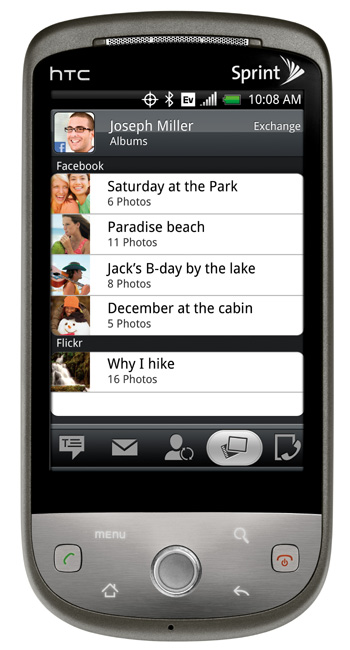
HTC Hero from SprintHTC Hero from Sprint

Geoff Duncan
Former Contributor
Geoff Duncan writes, programs, edits, plays music, and delights in making software misbehave. He's probably the only member…
Snapchat Planets Meaning: Order, Rankings, and How Friend Solar System Works
Snapchat Planets turns your best friends list into a solar system, and yes, your orbit says a lot
Snapchat Planets being shown on the Snapchat app on iPhone.

Snapchat+ includes several exclusive features, but few have generated as much curiosity as Snapchat Planets. Part of the app's Friend Solar System, it transforms your Best Friends list into a planetary ranking, assigning each of your top eight friends a planet based on how often you interact.

From Mercury, which represents your closest friend, to Neptune, which represents your eighth closest, the system offers a quick visual snapshot of your interactions. But what do the different planets actually mean, and how does Snapchat decide who gets which one?

Read more
How to use WhatsApp Web
We'll show you how to use WhatsApp on your desktop or laptop
WhatsApp Web

As one of the most popular messaging services, you’ve already heard of WhatsApp. From its humble beginnings in 2009—two years before Apple introduced iMessage—to its acquisition by Facebook (now Meta) in 2014, WhatsApp has become the dominant messaging platform around the globe.

In recent years, it's grown even more potent with new features like video messages, self-destructing voice messages, the ability to edit sent messages, and more. We even finally got an WhatsApp iPad app in May 2025.

Read more
What is WhatsApp? How to use the app, tips, tricks, and more
From setting it up to mastering hidden features, here is your complete guide to WhatsApp.
WhatsApp app store listing open on iPhone

There's no shortage of messaging apps out there. The past decade has given us more options than we know what to do with, largely because smartphones demanded something better than plain old SMS.

Both the App Store and the Play Store are packed with apps that promise to revolutionize the way we communicate. Most of them didn't make it. The truth is, a messaging app is only as good as the number of people using it, and most apps never cross that threshold.

Read more