What’s happened? Have you ever been scrolling through Instagram and found an ad for an item you’ve recently talked about with a friend in real life? Many of us have, but Instagram’s CEO, Adam Mosseri, has gone one step further to try and convince users the social network isn’t listening to your conversations.
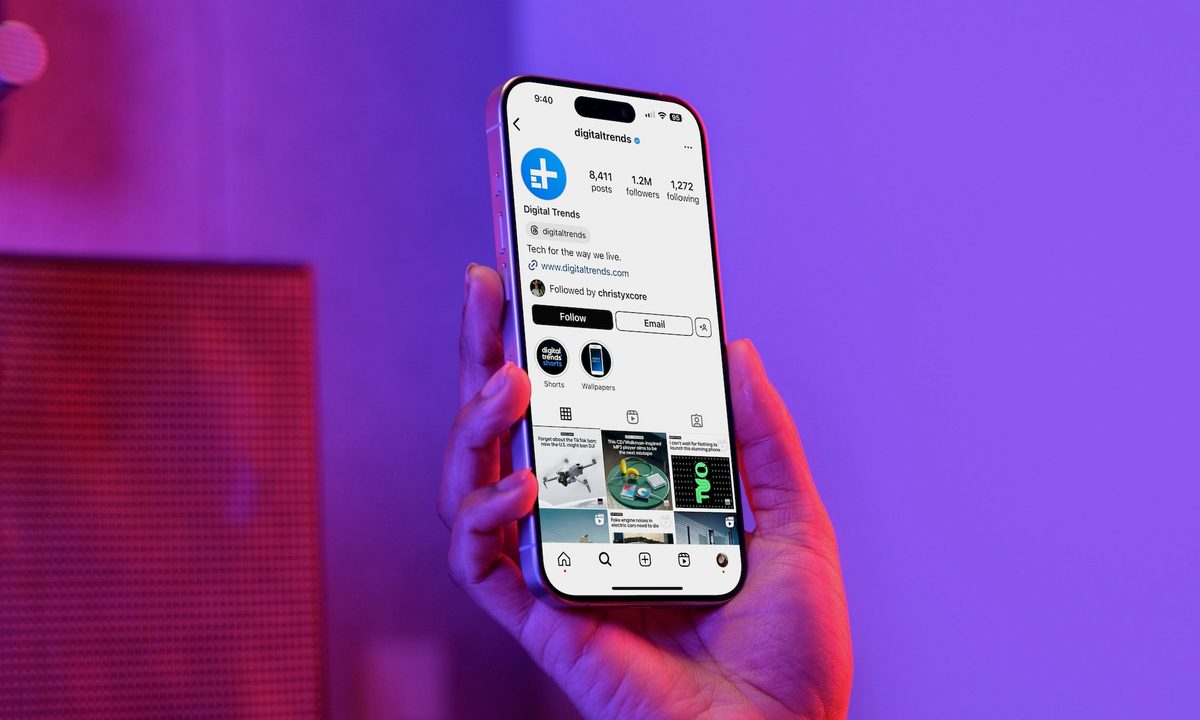
- Taking to his Instagram page, Adam Mosseri explains how Instagram serves you personalized ads.
- He ‘swears’ that this isn’t a result of the social platform listening to you through your device’s microphone.
- He also lists ways Instagram can try and understand what you want to buy, hence displaying them to you as ads.
Why is this important? Instagram would be violating your privacy if it accesses the device’s microphone to listen to your conversations and curate personalized ads based on these conversations.
Mosseri also highlights this wouldn’t be possible, as privacy features built into devices today show users when their device’s microphone or cameras are in use. So how does Instagram know what you want to purchase and then show you an ad of said product?
- Instagram’s algorithm takes note of the profiles and pages you visit within the app, as well as those of your friends or those with similar interests.
- This means a friend of yours might have searched a product and now you’re seeing it too, or it’s something people in your interest group have recently started looking for.
- It can also access the information account advertisers and data brokers are using through cookie consent you’ve previously given.
- You might have recently seen the ad, but scrolled past it – but when it comes up again, it feels like confirmation.
- Personalized ads on Instagram can be curated using likes from other Meta-owned platforms like Facebook and Threads.
Why should I care? Next time you’re scrolling on Instagram, there’s no need to raise an alarm when you see an ad about the wristwatch or bag that you said you want to purchase. According to the CEO, Instagram is either feeding off our digital footprint or it’s a pure coincidence.