1. Home
  2. Smart Home
  3. Legacy Archives

Supreme Court Quietly Kills COPA Act

Add as a preferred source on Google
Supreme Court Quietly Kills COPA Act
Image used with permission by copyright holder

Not with a bang, but with a whimper: the Supreme Court of the United States has quietly put an end to the controversial Child Online Protection Act (COPA) by refusing to hear a government appeal of a ruling banning its enforcement. The act was passed with overwhelming support of Congress in 1998, and sought to ban Web sites from making “harmful” content available to minors. COPA has been embroiled in controversy ever since on First Amendment grounds, arguing that the law would criminalize legitimate, protected forms of free speech.

The Supreme Court offered no comment on its refusal to hear the appeal.

Recommended Videos

“The Court’s decision not to review COPA for a third time affirms what we have been saying all along—the government has no right to censor protected speech on the Internet, and it cannot reduce adults to hearing and seeing only speech that the government considers suitable for children,” said ACLU legal director Steven R. Shapiro, in a statement.

A federal appeals court in Philadelphia had ruled earlier that COPA violated the First Amendment, and that filtering technologies and parental controls built into operating systems and browsers were a more appropriate, less restrictive way to protect children from potentially inappropriate or harmful online content.

The Bush administration had been fighting to have COPA brought into effect, and in 2006 the Justice Department subpoenas search records from the likes of Google, Yahoo, Microsoft, and others in an attempt to gather evidence of the prevalence of material harmful to minors on the Internet. Only Google challenged the subpoenas, citing the privacy of its users. The DOJ eventually presented a conclusion that about one percent of Web sites index by leading search engines were sexually explicit.

Geoff Duncan
Former Contributor
Geoff Duncan writes, programs, edits, plays music, and delights in making software misbehave. He's probably the only member…
Remember Samsung’s Ballie home robot? It may finally be inching closer to reality
Leaked app wireframes give the strongest hint yet that Samsung's Ballie home robot, first shown at CES 2020, might still be headed toward an actual release.
Samsung Ballie robot in a room next to a dog feeder.

Samsung's rolling home robot has been the industry's longest-running "will it ever actually ship" joke, and I'll admit I'd mostly given up on it. Now, there's finally a glimmer of hope.

Samsung first unveiled Ballie as a concept at CES 2020. Then, it showed it as a significantly upgraded version four years later. However, the company never confirmed a release date or committed to releasing it at all. 

Read more
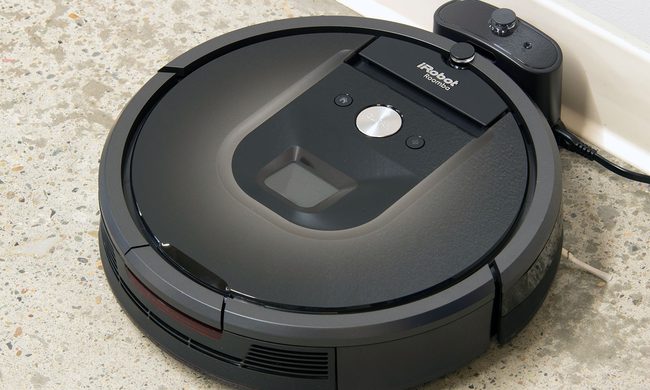
The US foreign-made robot crackdown is coming for future Roombas too
Future Roombas face new US sales hurdles, but existing models are unaffected
Roomba 980

The FCC has already made it much harder for foreign drone makers such as DJI to bring new products into the US. Now, the same crackdown is reaching a machine far more likely to be moving around your living room.

The US government recently added foreign-made advanced robotic devices to the FCC’s Covered List. The announcement appeared focused on humanoids, robot dogs, and industrial machines, but an FCC spokesperson has confirmed to The Verge that robot vacuum cleaners are covered too.

Read more
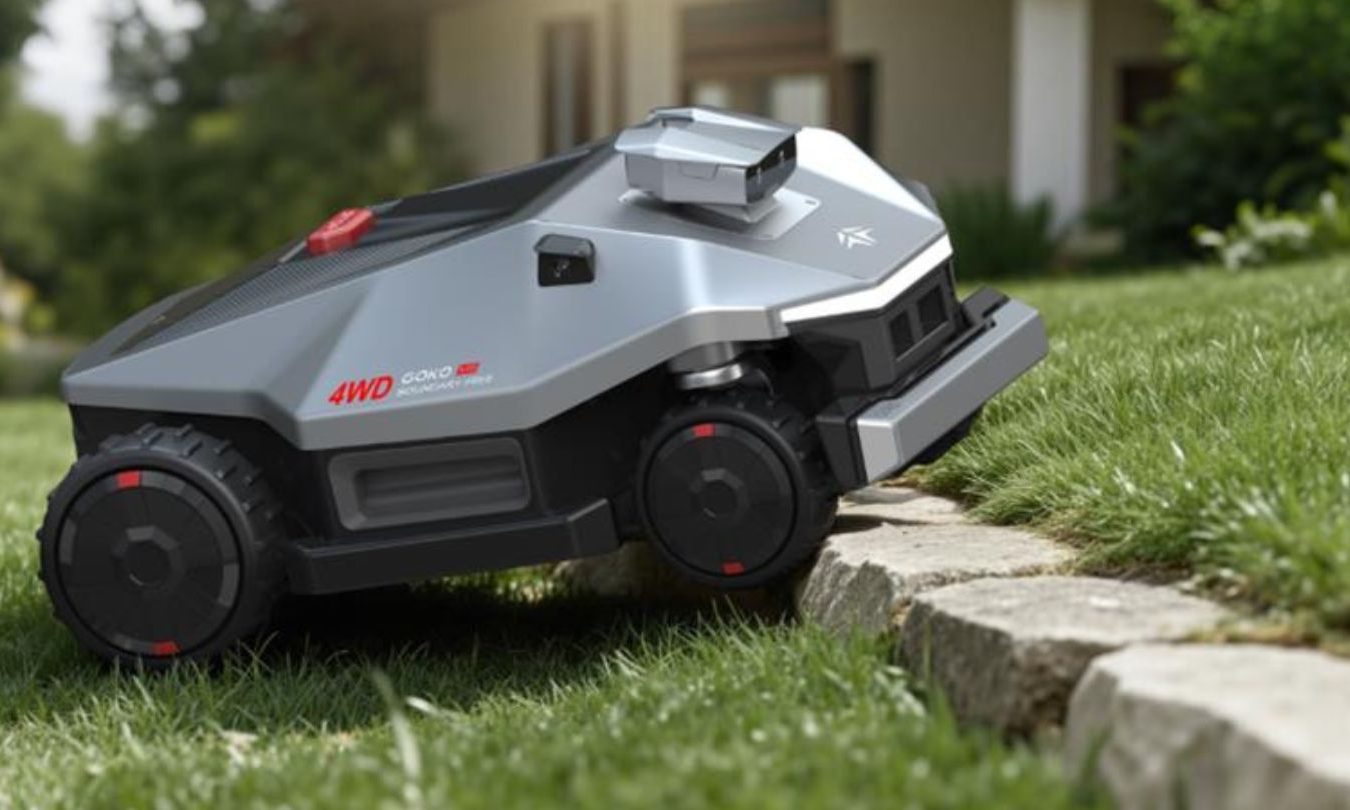
The GOKO M6 Robotic Lawn Mower Brings Industrial Robotics to Modern Lawn Care
7 reasons this AI-driven powerhouse makes hands-free yard work smarter than ever
Grass, Lawn, Plant

Robotic lawn mowers can save homeowners hours of manual yard work, but not every model is designed for challenging properties. While many perform well on flat lawns, larger yards with uneven terrain, steep slopes, and multiple mowing zones require a mower built for more demanding conditions.

Developed by GOKO, the consumer robotics brand of Robot++, the GOKO M6 is an industrial-grade 4WD AI-powered robotic lawn mower that brings more than a decade of industrial robotics expertise to residential lawn care. It combines AI-powered four-wheel drive, advanced navigation technologies, and AI QuadVision obstacle detection to tackle complex landscapes with less manual intervention.

Read more