1. Home
  2. Audio / Video
  3. Entertainment
  4. Mobile
  5. Legacy Archives

What if you could get movies 17 days after theaters … and pay by screen size?

Add as a preferred source on Google

They say video killed the radio star. Will video downloading kill the movie industry? Not if industry insiders can help it.

In an attempt to confront the growing disconnect between modern technology and the sluggish release of movies from theaters to living rooms, the head of DreamWorks Animation, Jeffrey Katzenberg, has proposed an interesting solution. Instead of holding back new releases for months, he wants to cut that time to a few weeks – and charge viewers for the privilege of viewing the piping hot content on a sliding scale, dependent on screen size.

Recommended Videos

Reported by the BBC, Katzenberg unveiled his new vision of change for the current industry paradigm at a press conference last week. The new model proposed by the media mogul would see movies released for distribution to the public at large after just 17 days in the theater.

“On the 18th day, these movies will be available everywhere ubiquitously and you will pay for the size,” he said.

He laid out a pricing scale for the fresh cut releases based on massive screens and mobile devices, without much middle ground. Under the new model, those with theater-sized screens would pay $15 for a new release. Those with a 75-inch screen (not exactly a common scale for TVs which usually jump from 65-inches to 85-inches) would pay a mere $4, and smartphone viewers would pay $2.

While the move sounds a little radical, it’s also perhaps one of the most rational responses to rapidly evolving technology from a major media insider in years. Katzenberger seems to have seen the writing on the wall when it comes to the shifting media landscape – thanks to better hardware, video streaming and illegal downloading – and is looking to get out in front of the issue. The media industry as a whole is rife with tales of caution from those who didn’t adapt to the changing winds, such as the music industry’s attempt to stop the MP3, or even Sony’s recent profit snafu due in part to sluggish Blu-ray sales.

“Movies are not a growth business,” Katzenberg told audience members. He claimed his new model would “reinvent the enterprise of movies.”

That said, it’s unclear just how studios would regulate the new system. Some sort of security system would need to be put in place for the wide swath of available streaming services and devices, which could be a very tricky proposition. Still, if those hurdles were to be resolved, Katzenberg’s idea could be a great way to combat the proliferation of movie piracy and slowing sales. As has been proven time and again, when a product is offered to the public at a reasonable price, the vast majority choose to pay for it over stealing it.

What do you think of the new model? If you’re a movie pirate, would this new system stop you from heading to your torrent of choice for new releases? Would it stop you from going to the theater as often? Let us know in the comments below.

Ryan Waniata
Former Home Theater & Entertainment Editor
Ryan Waniata is a multi-year veteran of the digital media industry, a lover of all things tech, audio, and TV, and a…
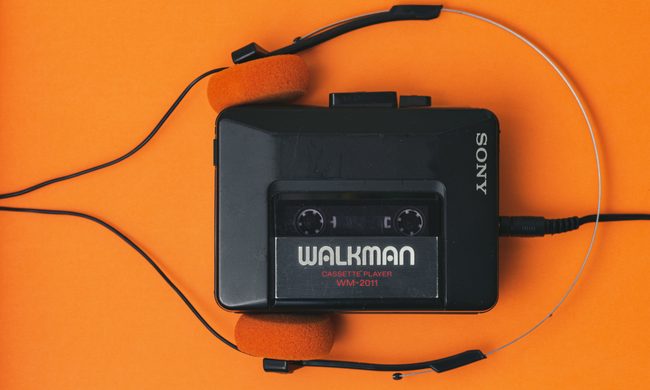
I desperately want a new classic Walkman, but Sony probably can’t give me one
Tech minimalism is begging for a new Walkman. Though rebuilding it may be close to impossible
Sony Walkman WM2011

Every few months, another piece of tech that seems obsolete crawls out of a drawer and becomes cool again. The age of minimalism has revived the popularity of iPods among younger buyers. Dumbphones have become an escape hatch from endless notifications. Similarly, digital cameras are dangling from bags again. Physical media keeps attracting people who want something they can actually hold instead of another frustrating subscription.

All of this makes it the perfect time for Sony to bring back the classic Walkman, which was a phenomenon during the 80s and 90s. I would love one. Give me a compact cassette player, physical buttons, and wired headphones. Keep the apps, notifications, and algorithms that shape your taste of music. No more AI assistants or personalzied feeds, just you and your Walkman. There is only one problem though. Recreating the Walkman that people love and remember, would be far harder than putting an old design back into production.

Read more
Proton reveals how smart TVs track you and the escape situation is pretty grim 
Modern smart TVs fingerprint your screen content at the chipset level.
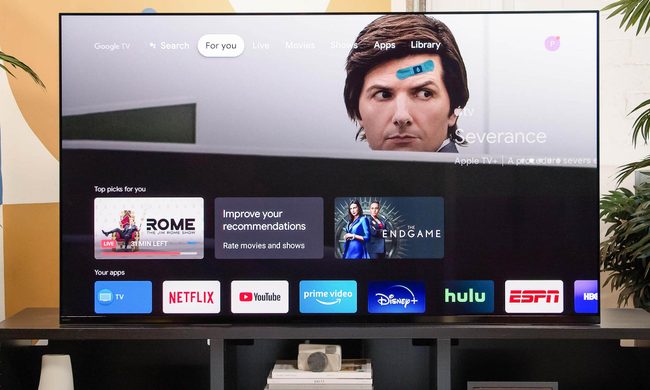
Google TV applications on the Sony A95K TV.

Your smart TV may know far more about your viewing habits than you realize, even if you rarely use its smart features. In a new privacy explainer, Proton warns that many modern TVs quietly collect data about everything displayed on the screen and share it with manufacturers, advertisers, and analytics companies.

The worrying part is that escaping this tracking is becoming increasingly difficult because many privacy controls are buried deep in settings or enabled by default. Proton argues that buying a smart TV today often means accepting a level of surveillance that most people never knowingly signed up for.

Read more
LG is cracking down on smart TV apps that quietly turn your TV into a secret proxy
LG OLED Settings

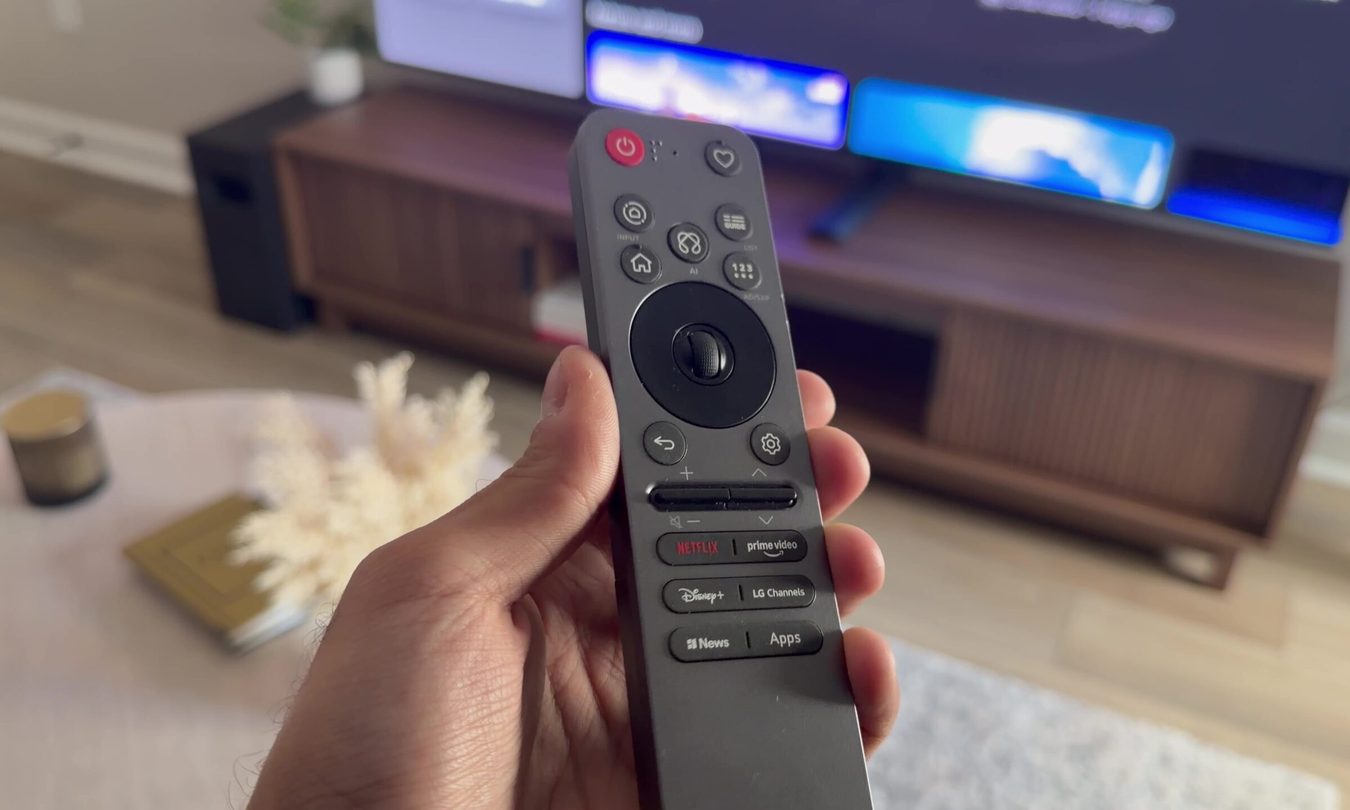
If you own an LG smart TV, there's a chance one of your harmless-looking apps has been moonlighting as an internet relay for someone else's traffic. According to a report from KrebsOnSecurity, LG says it's finally stepping in to stop this menace. This week, the company confirmed it plans to suspend any webOS app that turns a TV into what's called a residential proxy node.

The move follows a report from security firm Spur, which found that more than 42 percent of apps on LG's webOS store include SDKs that quietly reroute internet traffic through your TV, indefinitely. Samsung isn't spared either, with over a quarter of Tizen apps carrying similar code.

Read more