1. Home
  2. Wearables
  3. News

Finally, a health band that doesn’t make you do math

Luna Band debuts with real-time AI health coaching and no subscription fees

Add as a preferred source on Google
Luna health wearable
Luna
CES 2026
Read and watch our complete CES coverage here

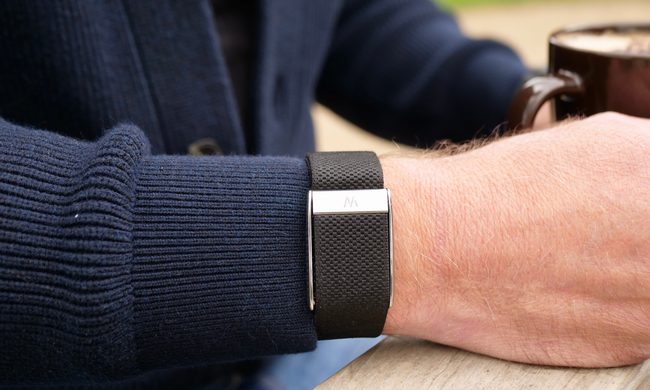
Luna, a rising name in the health-tech world, has just pulled the curtain back on the Luna Band. This isn’t your typical fitness tracker designed to bury you under a mountain of charts and spreadsheets. Instead, it’s a wearable built for the moment, offering real-time, voice-led coaching that tells you what to do now rather than just showing you what you did yesterday. The device made its first appearance just before CES 2026 and is currently being demoed for the crowds in Las Vegas following its debut at Pepcom.

Most wearables on the market today are great at collecting stats but not so great at explaining what they mean for your day

The Luna Band is trying to flip that script. Powered by an AI engine called LifeOS, the band interprets your body’s signals as they happen. The goal is “guidance over data”—the idea is to help you make better choices in the heat of the moment rather than making you play detective with your own health metrics later that night.

What really sets the Luna Band apart is its hands-free, voice-first interface. Thanks to deep Siri integration, you don’t even have to touch your phone or an app. You can log your meals, mention a sudden symptom, or even check in on your mood just by talking. If you’re wearing earbuds, the feedback comes straight to your ears, making the whole experience feel less like a piece of hardware and more like a personal health assistant that’s always in the loop.

Under the hood, the Band is surprisingly sophisticated

It packs a research-grade optical sensor and a high-fidelity 6-axis IMU (inertial measurement unit). This combo allows it to pick up on the tiny physiological “tells” that most consumer trackers miss—things like micro-recovery windows, shifts in your circadian rhythm, or the subtle physical signatures of emotional stress. All those data points feed into LifeOS, which processes thousands of signals every minute to give you coaching that actually fits your context.

LifeOS also plays incredibly well with others. It doesn’t just live in a vacuum; it pulls in data from Apple Health, Google Fit, Clue, and Kindbody. By stitching together everything from your sleep and stress to your nutrition and menstrual cycle, it builds a genuinely holistic map of your health over time.

Recommended Videos

For the average user, the biggest draw might be the simplicity—and the price. Luna is positioning this as a subscription-free companion, which is a breath of fresh air in an industry where almost every advanced feature is locked behind a monthly paywall.

As the Luna Band makes its rounds at CES this week, the big question is whether people are ready to trade their data dashboards for a voice-led coach. While we’re still waiting on final pricing and a firm shipping date, Luna’s approach marks a clear turning point for wearables. It’s a move away from passive tracking and toward devices that actually participate in the small, daily decisions that shape our health.

Moinak Pal
Moinak Pal is has been working in the technology sector covering both consumer centric tech and automotive technology for the…
Qualcomm is set to ratchet up chip prices in September, and your next gadget upgrade could bear the brunt
The price hike could touch every Snapdragon-powered device category.
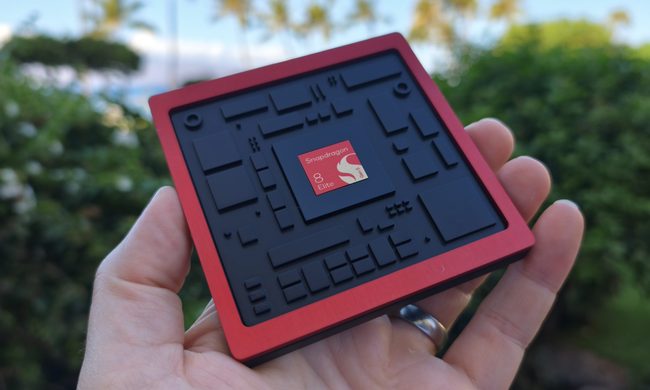
The new Qualcomm Snadragon 8 Elite Gen 5

I want you to sit with this for a second. Qualcomm, the company whose Snapdragon chips sit inside your Android phone and tablet, your Windows laptop, your Meta smart glasses, your Galaxy Watch, and your wireless earbuds, reportedly sent a letter to every major customer telling them prices are going up by double digits. 

The price hike will be in effect from September 1, 2026, a recent Bloomberg report claims. Essentially, all the companies placing their chip orders after that will pay a higher price. 

Read more
Slacked off all summer? Here are 3 fitness trackers that’ll help you stay accountable as you head back to school
Three trackers, three price points, three totally different approaches to keeping you honest about your own goals.
A person wearing the Whoop 5.0.

Summer break did what it usually does. Your sleep schedule drifted, workouts happened less often than you'd hoped, and by the time August rolled around, you were feeling it. You've got a plan to get back on track once the school year starts and your days have more structure, but you know how that usually goes. The first two weeks are solid, then the routine quietly slips.

A fitness tracker won't get you off your couch. What it will do is put a number in front of you every day, one that makes it obvious whether you stuck to your goal or slacked off. That small bit of visibility is often the difference between meaning to work out and actually doing it. Back-to-school season is a good time to buy in, since you're already resetting more than one part of your routine, and the overlap makes the habit more likely to stick. To keep the odds in your favor, here are three fitness trackers that can help you stay accountable and actually hit your goals.

Read more
Galaxy Watch 9 vs. Watch Series 11: Has Apple finally met its smartwatch match?
From AI-powered health coaching to outdoor fitness tracking, here's how Samsung's Galaxy Watch 9 stacks up against Apple's Watch Series 11.
Wristwatch, Arm, Body Part

These days, the real battleground between smartwatches is who can turn a wrist-worn, sensor-loaded device into something that resembles a personal fitness trainer, and this year's crop of flagship wearables takes that fight more seriously than ever. 

Samsung just refreshed its mainstream Galaxy Watch line with a new silicon and a batch of clinically-backed health tools, landing squarely on Apple's home turf of preventive wellness tracking. Apple, for its part, has spent the better part of a year letting its Series 11 sit as the reigning pick for anyone inside its ecosystem, propped up by a software catalog few rivals match feature-for-feature. 

Read more