1. Home
  2. Cars
  3. News

US car buyers want what they can’t have: Chinese EVs

A huge chunk of US buyers want Chinese EVs, even if can't get them.

Add as a preferred source on Google
Xiaomi SU7 EV in blue
Xiaomi SU7 EV Xiaomi

A growing number of US car buyers are starting to look toward Chinese electric vehicles with a mix of curiosity and frustration.

According to a new report, many Americans are being drawn to Chinese EVs due to their lower pricing, better feature set, and modern tech integration. All of these are aspects that are becoming harder to find in the US market for a similar price range. But even if the Chinese EVs look attractive to many, there’s just one problem: how do you even buy them?

Why Chinese EVs are growing in popularity

Major Chinese automakers like BYD, Geely, and others have been releasing EVs that are often priced around or under $30,000. And despite this accessible pricing strategy, these models are packed with premium interiors and tech. The models are also designed for compact, practical use. This combination is reportedly hitting a sweet spot that many US buyers feel is missing locally.

Recommended Videos

Surveys have also revealed that nearly half of US consumers see Chinese EVs as offering strong value, which is a major shift in perception.

So why aren’t they sold in the US?

Amidst the growing interest, Chinese EVs are effectively blocked from entering the US market. The simple reason is policy. The US has imposed tariffs exceeding 100% on Chinese EV imports, which makes them financially unviable to sell domestically. But that’s not all, there are also concerns regarding national security, pressure to protect domestic automakers, and growing trade tensions between the US and China.

But some people are still finding workarounds.

Enthusiasts are already going through unusual means, like importing the Chinese EVs through Mexico, just to get access to these cheaper alternatives. This isn’t a mainstream solution, but it goes to show just how strong the interest is becoming.

Vikhyaat Vivek
Vikhyaat Vivek is a tech journalist and reviewer with seven years of experience covering consumer hardware, with a focus on…
Tesla’s hidden door problem might end up fixing every car in America
This could permanently change how emergency exits are designed in American passenger vehicles.
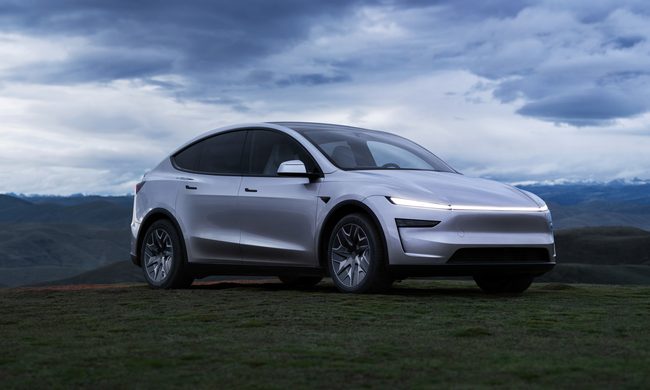
Tesla Model Y Long Wheelbase Featured

Tesla's electronic door handles have been a safety talking point for years, mostly on Reddit threads and EV forums where people debate whether sleek design is worth the tradeoff when a car is on fire and power is out. 

Now the US government has formally weighed in (via The Washington Post). The outcome, I’d say, is bigger than most people think.

Read more
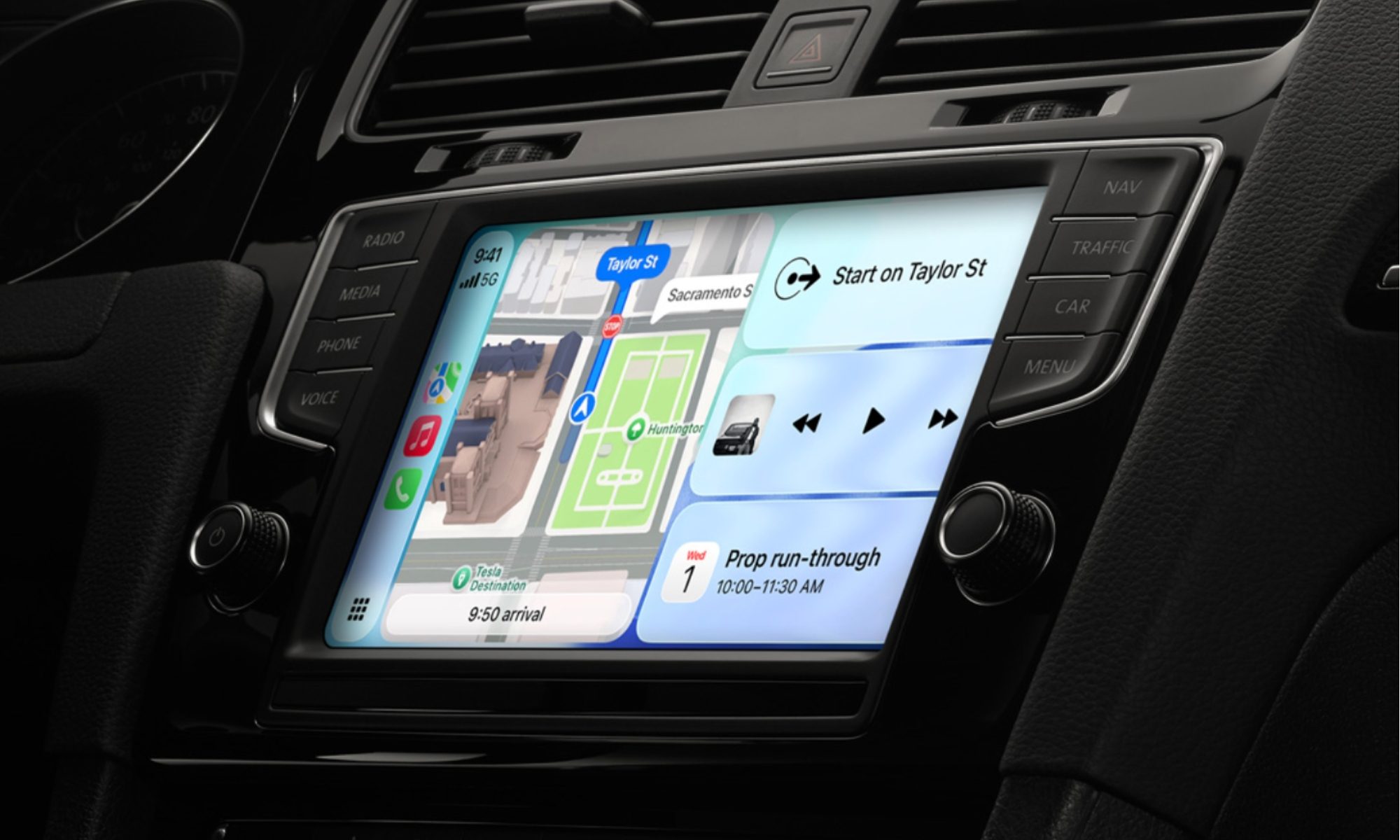
Ford’s UEV platform will feature Apple Maps built in
The integration will run through Apple's new MapKit for Automotive SDK and skip CarPlay's phone-mirroring approach.
Car, Transportation, Vehicle

Ford's upcoming budget electric vehicle won't force you to choose between a built-in map and one borrowed from your phone. Apple announced today that Ford's Universal Electric Vehicle (UEV) platform will ship with Apple Maps running natively on the car's screens. The feature will arrive in 2027 through Apple's new MapKit for Automotive SDK, a toolkit that lets automakers build Apple Maps straight into their dashboards.

An infotainment system that doesn't need your phone plugged in

Read more
WhatsApp’s new in-car experience is built around hands-free control
CarPlay and Android Auto users can now hear and reply to messages, view call history, and reach favorite contacts without touching their phone.
WhatsApp new CarPlay experience featured

Meta is overhauling how WhatsApp works in the car, giving CarPlay and Android Auto users a lot more to do than just sending texts and making calls. The company announced the change in a newsroom post today, alongside several other updates rolling out to the messaging app.

WhatsApp finally works hands-free in the car

Read more