  1. Home
  2. Phones
  3. News

Your Pixel 10 can now run Steam games offline (sort of)

Steam games now run locally via GameNative.

Add as a preferred source on Google
Google Pixel 10 Indigo
Nirave Gondhia / Digital Trends

Smartphones pretending to be gaming machines isn’t new, but the Pixel 10 just did something that actually feels a bit wild. You can now run full-fledged Steam PC games on it. Offline. On a phone.

And no, this isn’t cloud streaming or some remote desktop trick. This is proper local emulation, and for Pixel users, that’s a pretty big deal.

Pixel 10 can now run Steam games (and finally, properly)

The big unlock comes from GameNative 0.9.0, which adds initial support for the Pixel 10’s PowerVR GPU, something most Android PC emulators have historically ignored. Emulation on Android has long been optimized for Snapdragon chips with Adreno GPUs, with limited support for Mali and almost nothing for PowerVR. This update finally puts Pixel devices back in the conversation.

With that in place, users can now run select Steam titles like Hades and Stardew Valley locally on the device, without needing an internet connection once everything is set up. The update also brings a bunch of meaningful upgrades. There’s desktop-mode support for a more PC-like experience on external displays, improved keyboard and mouse compatibility, Steam Workshop integration, and even better controls over downloads and storage.

Recommended Videos

Of course, this is still a pre-release build, so bugs, crashes, and performance hiccups are very much part of the experience right now.

This isn’t just a cool trick

At first glance, this feels like just another emulator update. But it actually fixes a long-standing issue of Pixel phones lagging in emulation due to limited GPU support. With GameNative changing that, Pixel users are finally back in the game, and it’s a bigger shift than it seems. It also hints at a future where phones can realistically handle PC-level gaming with the right setup.

We’re not quite there yet, but this is real progress. And if this is what early builds can do, your phone doubling as a Steam machine doesn’t feel that far off anymore.

Varun Mirchandani
Varun is an experienced technology journalist and editor with over eight years in consumer tech media. His work spans…
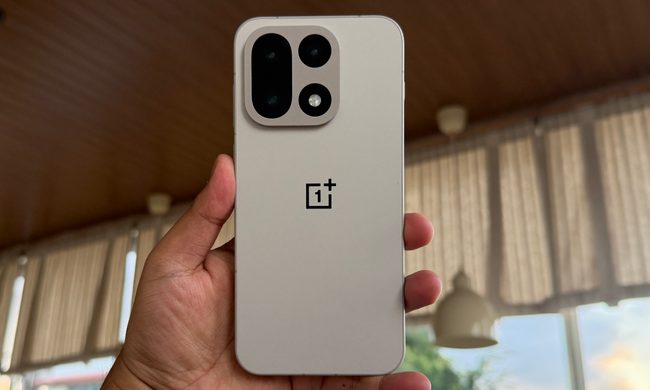
OnePlus is building another flagship monster for a shrinking audience, and its expected to launch in October
OnePlus 16 could launch in October, but it may not leave China
Rear shell of OnePlus 15.

While OnePlus may have exited the US and Europe, the brand is still alive in its home market and is already working on its next flagship smartphone. A fresh leak from Chinese tipster Digital Chat Station has now revealed more details about the OnePlus 16, including its design and a revised launch timeline.

The tipster previously claimed that the phone would arrive in September 2026, but the latest information points to an October launch in China (via Gizmochina). The global picture is far less clear, and there is now even some doubt over whether the OnePlus 16 will make it to India, which remains the company’s biggest market.

Read more
Samsung has another wild foldable phone lined up for 2027 and it will excite screen connoisseurs
Samsung wants another giant OLED folding inside your pocket
Samsung Galaxy TriFold unfolded

Samsung just gave foldable fans a wider 4:3 canvas with the Galaxy Z Fold 8. But that still isn't enough screen for the company. Samsung has reportedly begun early development of a successor to the Galaxy Z TriFold, its dual-hinged phone that unfolds into something much closer to a proper tablet.

According to Korean publication ETNews, Samsung has already shared information about the next-generation project with suppliers, but its final specifications have yet to be decided. One detail should immediately grab the attention of anyone who buys a foldable primarily for its display. A source familiar with the project told ETNews that Samsung is currently targeting a screen size similar to the original TriFold.

Read more
Android’s most powerful app permission could soon come with a much scarier warning
New Android 17 language spells out how trusted apps may interact with your screen while your device remains locked
Electronics, Mobile Phone, Phone

Android 17 could make one of its most powerful app permissions harder to approve without a second thought. New warning text explains that trusted apps may view and interact with screen content, even while the phone is locked.

Nerd’s Chalk uncovered the language in an APK teardown of Android 17 QPR2 Beta 1. The feature isn’t active, but Google’s description now leaves considerably less to the imagination.

Read more