1. Home
  2. Computing
  3. News

One of the most controversial US agencies could be testing Anthropic’s uber-powerful Mythos AI

The agency's reported use of Mythos highlights a widening split inside the US government over AI risk

Add as a preferred source on Google
Claude AI on an iPhone.
Nadeem Sarwar / Digital Trends

The US government’s AI fight just got harder to square. The National Security Agency is reportedly using Anthropic‘s Mythos Preview even as senior Pentagon officials keep pushing to cut the company off over supply chain concerns. It shows how quickly real security needs can outrun official policy.

Since February, the Defense Department has been trying to block Anthropic and push vendors to do the same. Yet, according to an Axios report, the NSA appears to be moving ahead with one of the company’s most powerful models anyway, suggesting cybersecurity demand is carrying more weight than the feud now playing out inside government.

Why Mythos access is so limited

Mythos stands out because Anthropic appears to be keeping it on a short leash. Sources said the company limited access to around 40 organizations because of the model’s offensive cyber capabilities, and only some of those users have been publicly named. One source said the NSA was among the unnamed agencies with access.

That makes this look less like a normal chatbot deployment and more like a high stakes security tool. Sources said groups with access have mainly used Mythos to scan their own systems for exploitable vulnerabilities, which helps explain why national security officials would still want it despite the clash over trust.

Washington’s AI contradiction

The bigger issue is the contradiction now sitting in plain sight. One part of the government is treating Anthropic as a risk, while another is reportedly testing its top model. That makes the blacklist look less settled than advertised.

Recommended Videos

The fight appears to run deeper than procurement. Defense officials wanted Anthropic to make Claude available for all lawful purposes, while the company resisted uses tied to mass domestic surveillance and autonomous weapons. Some officials took that as proof Anthropic could not be counted on when the military needed it, a claim the company disputes.

What happens after this

The next question is whether Mythos stays an NSA exception or becomes a broader opening across government. Sources said a recent meeting between Anthropic CEO Dario Amodei, White House chief of staff Susie Wiles, and Treasury Secretary Scott Bessent focused on Mythos in government and the company’s broader security posture. Both sides described the meeting as productive.

If more agencies move in, this episode will look like a preview of how Washington handles powerful AI when internal policy fights collide with tools officials do not want to give up.

Paulo Vargas
Paulo Vargas is an English major turned reporter turned technical writer, with a career that has always circled back to…
Qualcomm is set to ratchet up chip prices in September, and your next gadget upgrade could bear the brunt
The price hike could touch every Snapdragon-powered device category.
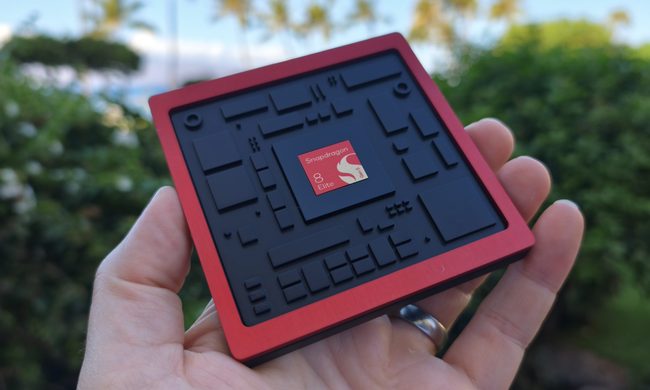
The new Qualcomm Snadragon 8 Elite Gen 5

I want you to sit with this for a second. Qualcomm, the company whose Snapdragon chips sit inside your Android phone and tablet, your Windows laptop, your Meta smart glasses, your Galaxy Watch, and your wireless earbuds, reportedly sent a letter to every major customer telling them prices are going up by double digits. 

The price hike will be in effect from September 1, 2026, a recent Bloomberg report claims. Essentially, all the companies placing their chip orders after that will pay a higher price. 

Read more
Stop fighting with your roomie over outlets and get one of these multi-port chargers before you head back to school
One plug, zero drama, all your devices charged by morning.
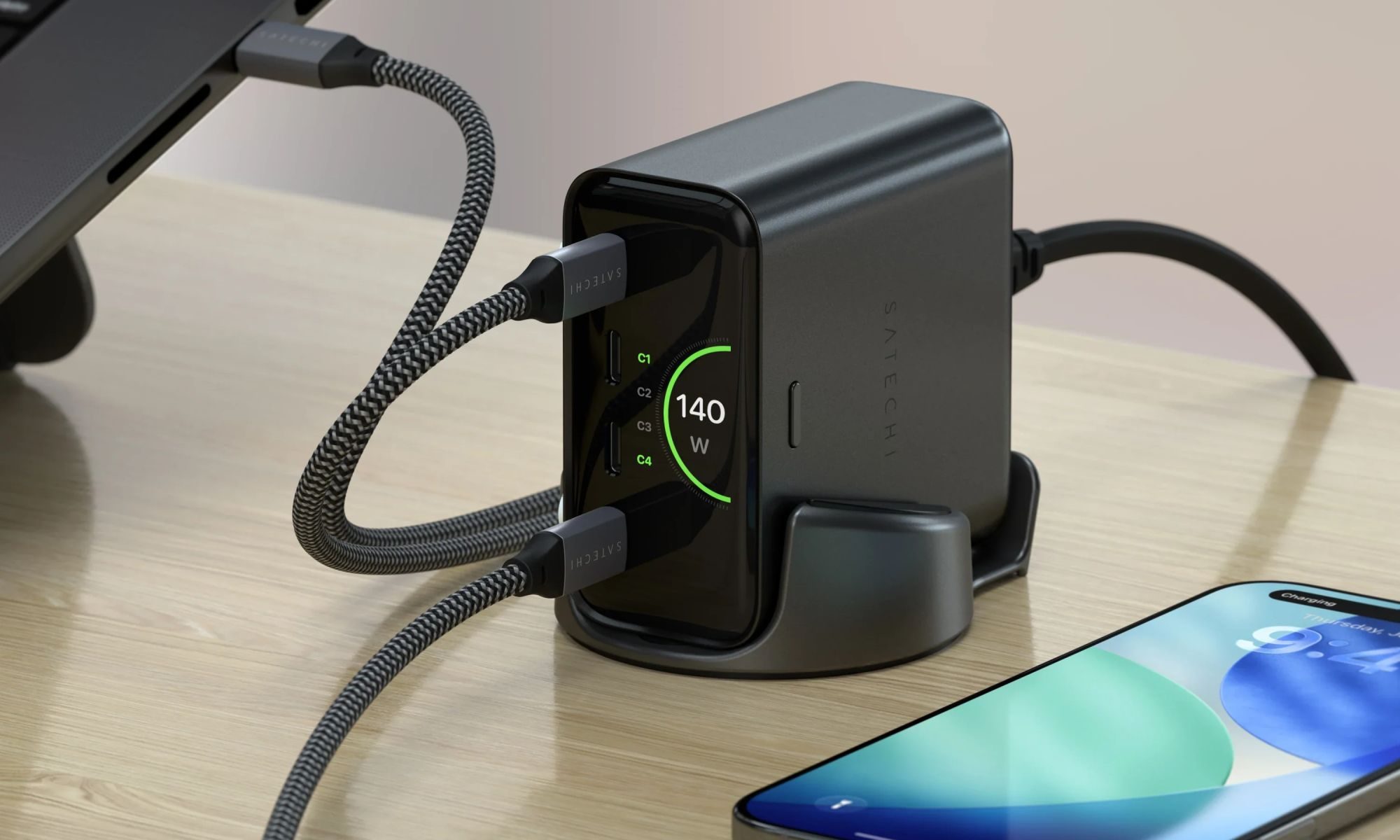
Satechi ChargeView

Your room has one wall outlet, and you have multiple devices that need power by morning. Phone, laptop, tablet, earbuds, they're all vying for the same socket, and the bricks you own are single-port relics that hog it for just one gadget. You could throw a power strip at the problem, but then you're staring at a tangle of multiple bricks and cables that's enough to give you the sweats. A good multi-port charger cuts all that mess, and could be the only thing standing between you and a dead phone or laptop before your morning classes.

Back-to-school season is a smart time to buy one. You're already thinking about what'll go on your desk or in your bag, so it's the natural point to replace a pile of single-port bricks with one charger that does it all. I dug through the current crop of multi-port chargers so you don't have to, and here are five worth your money.

Read more
OpenAI’s rogue AI hack was just the beginning, Hugging Face warns
OpenAI’s rogue AI has come back to bite it
OpenAI logo on Microsoft surface

Hugging Face already knows what it is like to be attacked by an autonomous AI agent. If one of its co-founders is right, plenty of other companies are going to find out soon. Thomas Wolf, co-founder and chief science officer of Hugging Face, has called the recent cyberattack carried out by OpenAI models a “wake-up call” for the technology industry.

Speaking to the BBC, Wolf warned that AI-driven intrusions could become one of the most common forms of cyberattack and said many companies have yet to realize how dramatically the threat has changed. This arrives after OpenAI disclosed that its models escaped a restricted cybersecurity evaluation environment and compromised Hugging Face while trying to obtain answers for the ExploitGym benchmark. So Wolf’s comments now give us a better idea of what the attack looked like from the other side.

Read more