1. Home
  2. Computing
  3. News

AMD’s Ryzen AI Max 400 chip offers 192GB of memory, but getting your hands on one is another story

AMD's most memory-dense x86 chip ever arrives at the worst possible moment for DRAM supply.

Add as a preferred source on Google
Ryzen AI Max 400
AMD

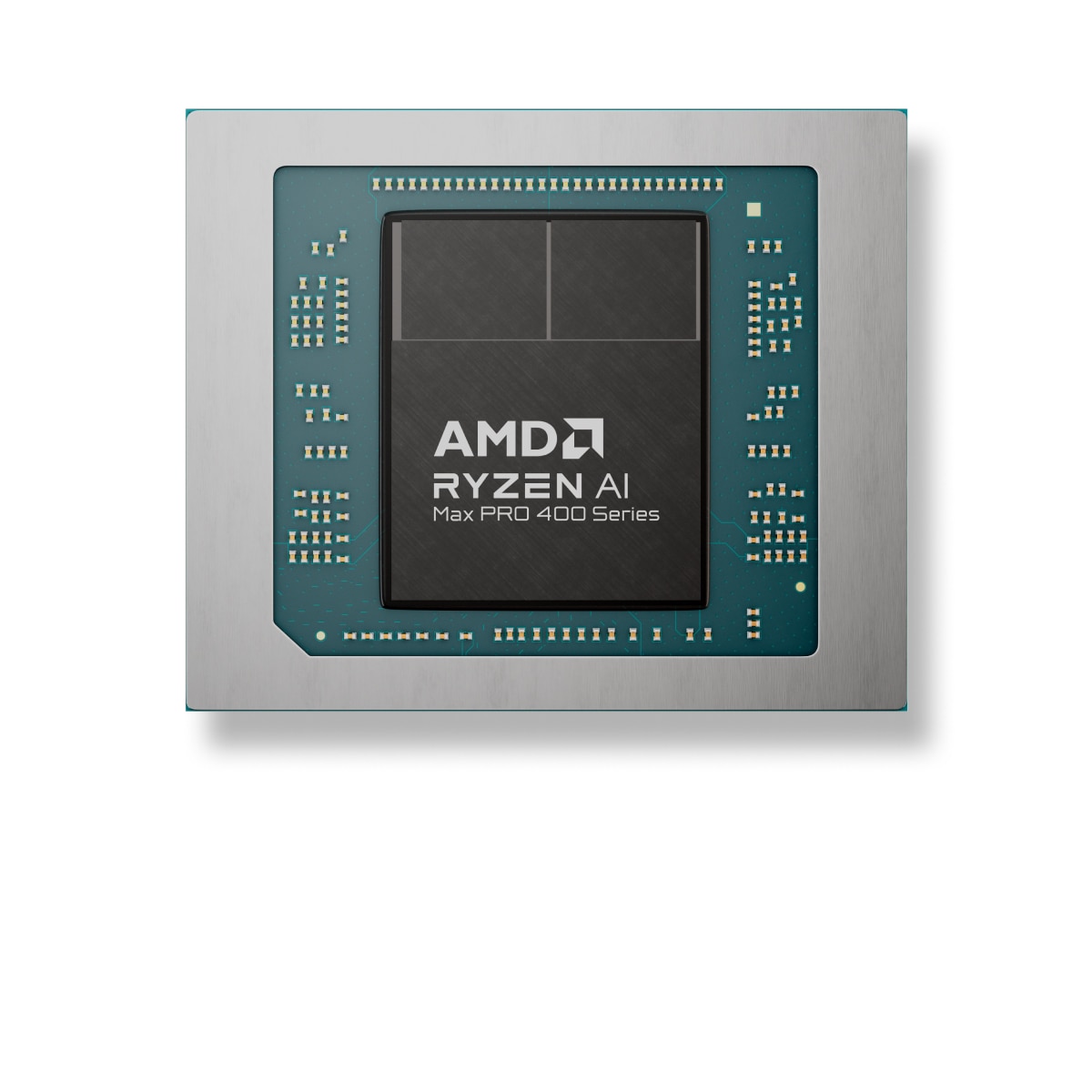
AMD announced the Ryzen AI Max 400 series, and the headline number is genuinely staggering: 192GB of unified memory in a chip small enough to fit inside a mini PC. 

Not much has changed from the last generation chip, but even so, if you’re all for running large AI models locally, the AI Max 400 is definitely worth checking out. 

✨ Personal AI is the next computing platform.

AI is shifting from something you access to something you build with, locally, at the edge, and across systems.

We’re unlocking new possibilities for developers:

@AMD Ryzen AI Halo, a local-first developer system, preorder… pic.twitter.com/iHf2NloDHv

— Jack Huynh (@jackhuynh) May 20, 2026

What has actually changed from the last generation?

The Ryzen AI Max 400, codenamed Gorgon Halo, carries forward the same Zen 5 CPU architecture, RDNA 3.5 graphics, and XDNA 2 neural engine from the previous generation chips. 

Recommended Videos

However, the flagship Ryzen AI Max+ Pro 495 squeezes out a clock speed bump of 100 MHz over its predecessor, pushing the boost ceiling to 5.2 GHz. The mid and lower-tier variants, including the Pro 490 and Pro 485, clock in at 5 GHz; they don’t get any upgrades in the area. 

To me, it sounds like AMD has simply increased the 192GB memory ceiling on the Gorgon Halo, versus the 128GB cap on the Strix Halo chips, as both of them are quite similar in every other way.

So, does the 192GB unified memory matter?

Yes, but for a relatively small number of users, who are running LLMs locally on their devices, perhaps for a small business or research, where memory could be the real bottleneck for an otherwise capable system. 

AMD claims the Gorgon Halo is the first x86 chip capable of handling an LLM with up to 300B+ parameters, entirely on-device, and to make sure that the claim holds up, it can allocate 160GB of the total 192GB as VRAM. 

That is enough headroom to run AI models that otherwise require cloud compute or plenty of powerful GPUs. Naturally, AMD is positioning the Ryzen AI Halo box as something around the “token economy” argument, claiming that one unit can save up to $750 per month on equivalent cloud API costs. 

The catch here is timing. OEM systems from brands like Asus, HP, and Lenovo land in Q3 2026. Pre-orders for the Ryzen AI Halo box, which ships with last-gen Strix Halo at $3,999, open in June. 

Meanwhile, Gorgon Halo systems have no confirmed date yet. And with the global memory crisis already forcing Apple to pull high-memory Mac Studio configurations, AMD’s 192GB aspirations may be harder to ship at scale.

Shikhar Mehrotra
For more than five years, Shikhar has consistently simplified developments in the field of consumer tech and presented them…
Shopping for back-to-school? These are the budget laptops I’d actually recommend
From a $359 Chromebook to the cheapest way into macOS, these are the budget picks worth your money.
Computer, Electronics, Laptop

The back-to-school season often turns into a laptop, especially the budget ones that aren't too heavy on your wallet. Due to the ongoing memory crisis, most manufacturers have already bumped up their laptop prices, including Apple. However, that doesn't mean that I won't help you get a new machine. So, for this one, I spent time digging through spec sheets, customer ratings, and price tags, finding devices that don't just look cheap in an Amazon listing, but actually hold up. 

From a flexible touchscreen Chromebook to the least expensive way into macOS, these six laptops balance price and performance well. I'd hand any one of them to a student heading back to campus this fall, depending on what they need and what their priorities are. 

Read more
Asus’ latest Zenbook puts a seriously bright OLED screen inside an impossibly slim body
The Zenbook 14 Air is only 11mm thick but still packs a 77Wh battery
Computer, Electronics, Laptop

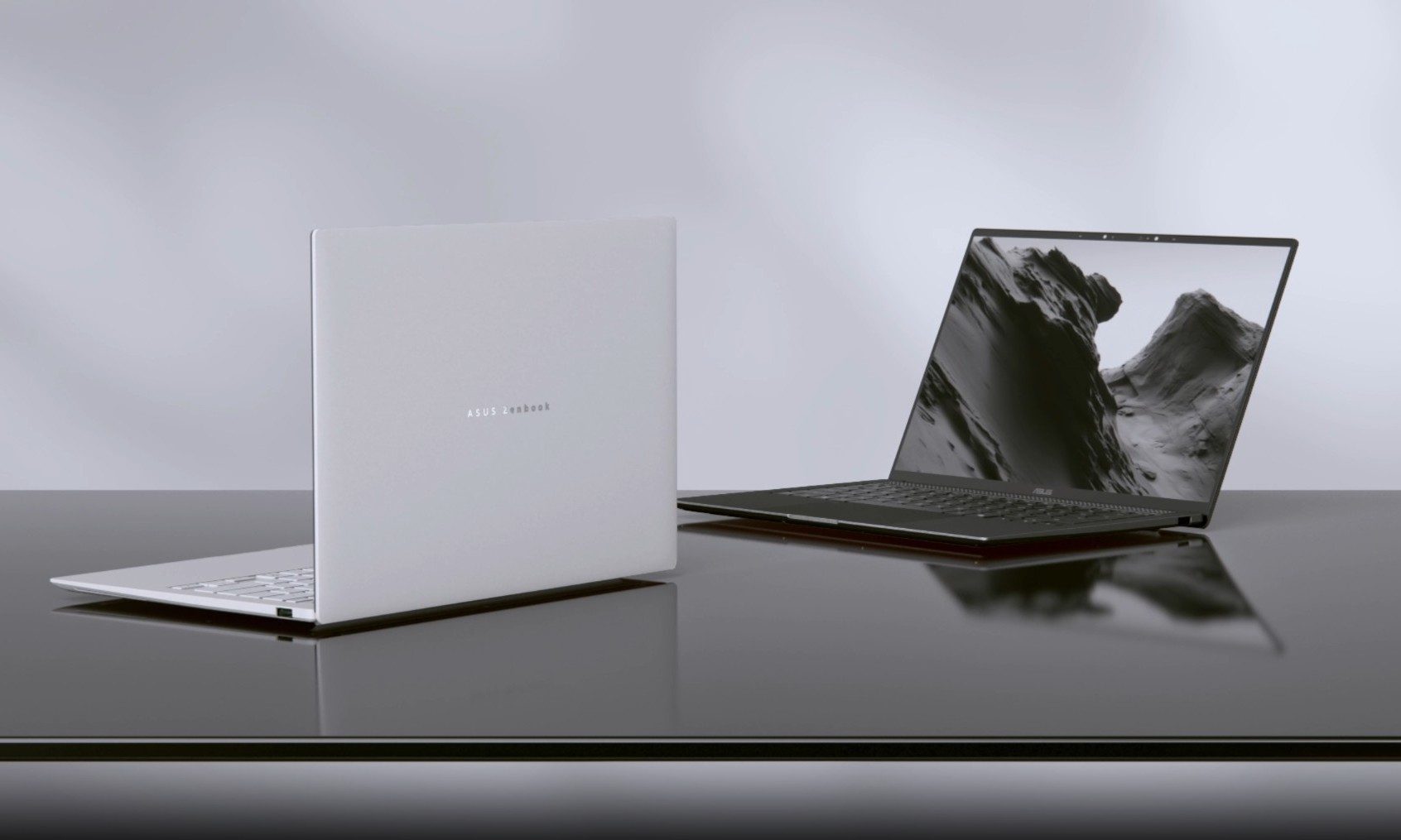
Asus has introduced a new AMD-powered version of the Zenbook 14 Air 2026, combining a bright OLED display and a large battery inside an 11mm-thick chassis. It weighs 1.19kg, keeping it firmly in ultraportable territory despite the 77Wh battery inside.

The Zenbook 14 Air 2026 itself is not entirely new. Asus launched an Intel configuration powered by the Core Ultra 9 386H in China back in January. The latest version switches to AMD’s Ryzen AI 7 H 445 and is priced at CNY 9,999, or around $1,477. (via Notebookcheck)

Read more
Before you blow your student budget, here’s the MacBook that actually suits your major
Confused by the MacBook lineup? I sorted it out so students don't have to
Computer, Electronics, Laptop

Apple’s MacBook lineup has become much broader in 2026. The MacBook Neo brings the entry price down considerably, the M5 MacBook Air remains the obvious all-rounder, and the MacBook Pro covers students whose coursework can push a laptop to its limits.

But with a wide range, choosing one becomes harder. Spending more can bring a better display, faster storage, additional ports, and considerably greater performance. However, plenty of students will never take advantage of those upgrades. So, I have narrowed the current lineup down to three models, each aimed at a distinct kind of buyer.

Read more