1. Home
  2. Computing
  3. News

Someone built a map of the stars from Project Hail Mary, and it’s shockingly good

A developer mapped 1.8 billion real stars to recreate the Project Hail Mary ship map, and it's gorgeous.

Add as a preferred source on Google
project hail mary star map
Val

A developer has built an interactive star map inspired by the one featured in the book Project Hail Mary, and it uses real astronomical data to back it up. The book was recently developed into a movie of the same name, and it’s one of the best sci-fi movies of the year. 

The project was shared on Hacker News, where Val, who developed this project, explained that the map was built using ESA’s GAIA DR3 dataset, a star survey that mapped over 1.8 billion stars in our neighborhood of the Milky Way. The data includes star positions, colors, spectra, proper motion, and more, making this far more than a stylistic fan project.

How accurate is it?

I don’t know much about astrophysics, but by all accounts, the model seems to be pretty accurate. The developer wrote a Python script that renders all 1.8 billion stars into custom images, which are used to build the skybox. 

Star positions and colors are pulled directly from the GAIA data, with only a handful of bright stars that are not in the dataset being handled separately. The result is a mostly realistic map of our local star system.

Recommended Videos

Even if the model is not accurate, it’s incredible to see such projects come to life. If you loved the book or the movie, you are going to have a fun time on the website. 

What can you do with it?

The map includes a Color view and a Petrova view. The Color view shows accurate star colors based on the GAIA data, while the Petrova view shows the path stars were infected by Astrophage, straight from the story. If you have read the book or seen the movie, you will appreciate just how thoughtfully this has been put together.

The developer also credited David A. Wheeler’s blog post, which goes into detail about the Astrophage infection path, for helping nail that part of the project.

If you enjoy open data projects, the GAIA DR3 dataset is publicly available through ESA’s Gaia Archive, and this project is a great example of how creative and stunning a well-executed open data project can be.

Rachit Agarwal
Rachit is a seasoned tech journalist with over ten years of experience covering the consumer technology landscape.
Asus’ latest Zenbook puts a seriously bright OLED screen inside an impossibly slim body
The Zenbook 14 Air is only 11mm thick but still packs a 77Wh battery
Computer, Electronics, Laptop

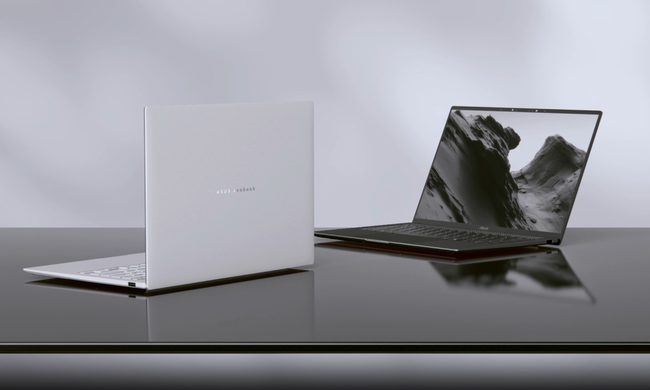
Asus has introduced a new AMD-powered version of the Zenbook 14 Air 2026, combining a bright OLED display and a large battery inside an 11mm-thick chassis. It weighs 1.19kg, keeping it firmly in ultraportable territory despite the 77Wh battery inside.

The Zenbook 14 Air 2026 itself is not entirely new. Asus launched an Intel configuration powered by the Core Ultra 9 386H in China back in January. The latest version switches to AMD’s Ryzen AI 7 H 445 and is priced at CNY 9,999, or around $1,477. (via Notebookcheck)

Read more
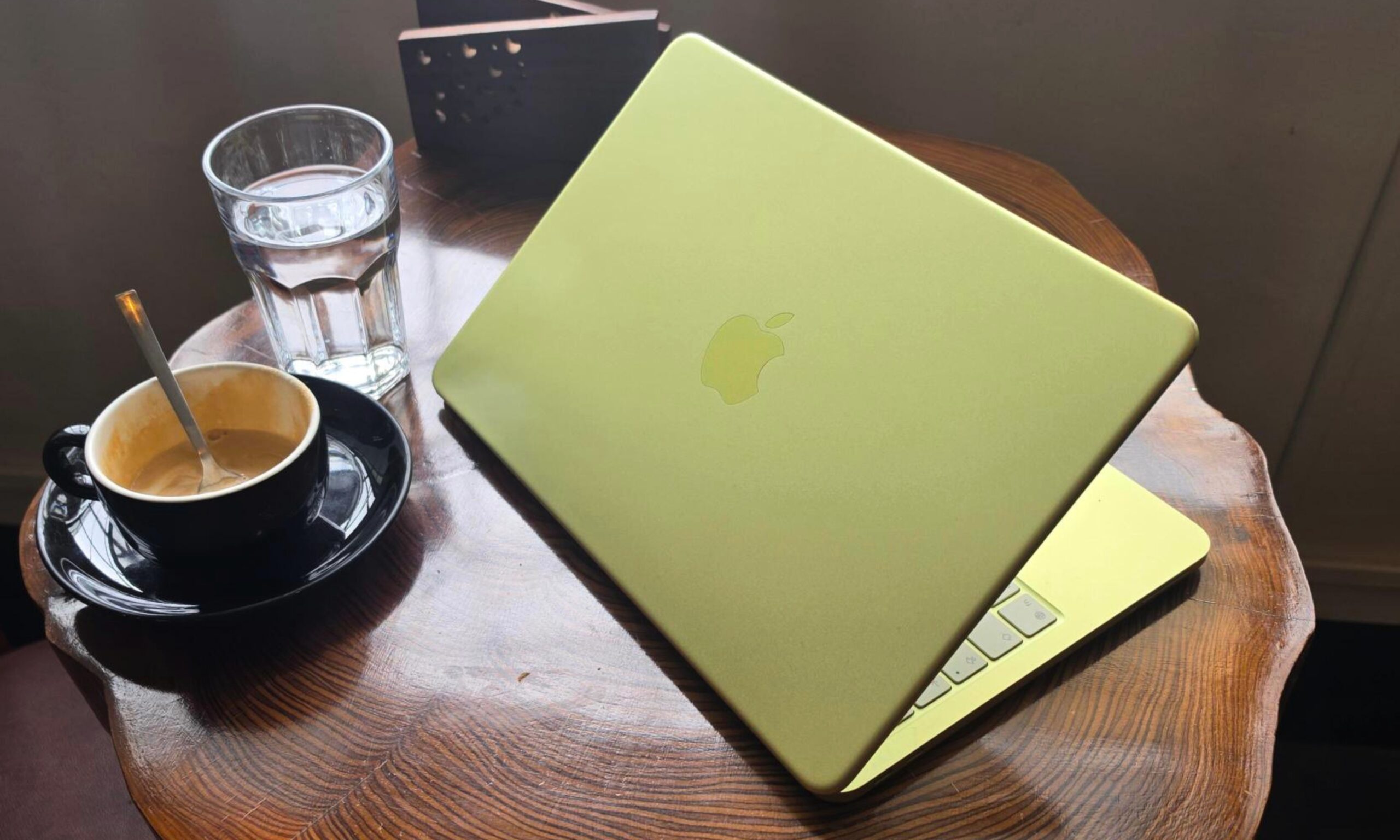
Before you blow your student budget, here’s the MacBook that actually suits your major
Confused by the MacBook lineup? I sorted it out so students don't have to
Computer, Electronics, Laptop

Apple’s MacBook lineup has become much broader in 2026. The MacBook Neo brings the entry price down considerably, the M5 MacBook Air remains the obvious all-rounder, and the MacBook Pro covers students whose coursework can push a laptop to its limits.

But with a wide range, choosing one becomes harder. Spending more can bring a better display, faster storage, additional ports, and considerably greater performance. However, plenty of students will never take advantage of those upgrades. So, I have narrowed the current lineup down to three models, each aimed at a distinct kind of buyer.

Read more
Qualcomm is set to ratchet up chip prices in September, and your next gadget upgrade could bear the brunt
The price hike could touch every Snapdragon-powered device category.
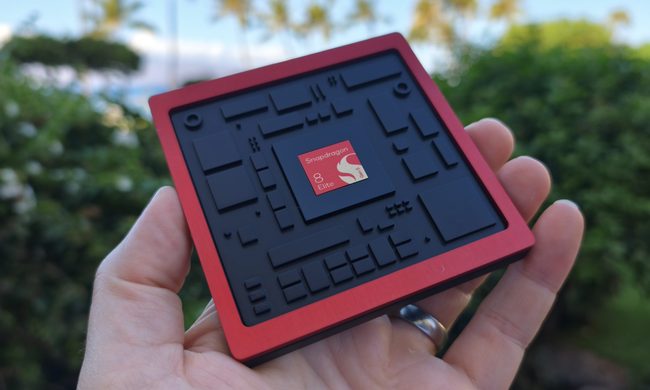
The new Qualcomm Snadragon 8 Elite Gen 5

I want you to sit with this for a second. Qualcomm, the company whose Snapdragon chips sit inside your Android phone and tablet, your Windows laptop, your Meta smart glasses, your Galaxy Watch, and your wireless earbuds, reportedly sent a letter to every major customer telling them prices are going up by double digits. 

The price hike will be in effect from September 1, 2026, a recent Bloomberg report claims. Essentially, all the companies placing their chip orders after that will pay a higher price. 

Read more