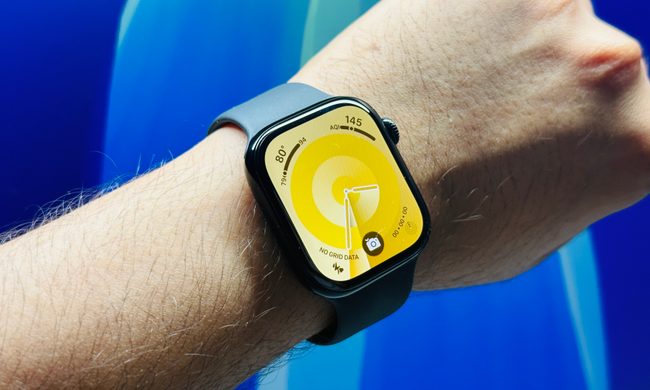
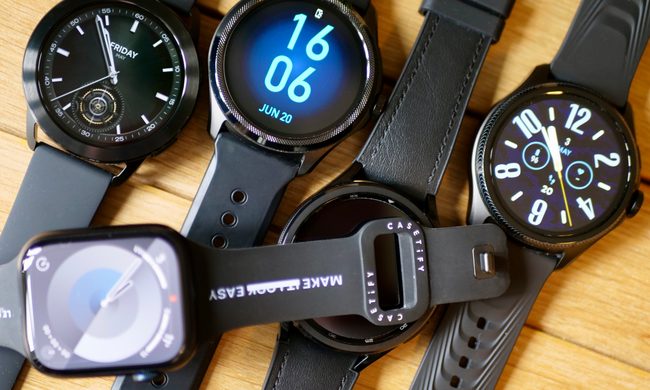
Samsung is pushing its wearable deeper into the Ozempic era with a Mass General study that asks whether a smartwatch can help people understand what changes after they start GLP-1 treatment.
The six-month effort will focus on adults beginning GLP-1RA therapy, a drug category widely associated with major weight-loss results. Instead of focusing only on pounds lost, the research will track muscle, activity, heart rate, and body composition during treatment.
Samsung and Massachusetts General Hospital are putting Galaxy Watch8 data into a clinical study built around a fast-growing kind of care. The question is whether wrist-worn data can add useful signals during GLP-1 treatment without turning the watch into a medical device.
Can a watch catch what weight misses?
Researchers will compare two groups of adults starting GLP-1RA therapy. One group will use Galaxy Watch8 with Samsung Health tracking, body composition measurements, activity data, heart rate monitoring, and tailored exercise guidance. The other will receive standard guidance and care.

DXA scans will give researchers a stronger body-composition baseline than watch data alone. That keeps the study grounded, since Samsung’s body composition feature remains a wellness tool and is not intended to diagnose medical conditions.
The watch will not replace medical care. Researchers are testing whether daily data can help fill the space between appointments, where changes in activity, weight, and body composition can be harder to see.
Why GLP-1 care needs more signals
GLP-1 drugs have reshaped the weight-loss market, but a bathroom scale tells a narrow story. A person can lose pounds while also losing muscle, changing activity patterns, or needing more exercise support during therapy.
Samsung is pairing passive tracking with tailored guidance to see whether smartwatch data can support people during treatment. The harder test is whether those signals become useful enough for clinicians and patients to act on.

For now, that value is still being investigated. The design puts consumer wearable data next to a more established body-composition measurement, which gives the results a clearer test than activity tracking alone.
Where Samsung goes from here
The next marker is the six-month study window. If the results show that Galaxy Watch8 data helps track meaningful changes during GLP-1RA therapy, Samsung will have more evidence for tying watch data to treatment support.
There are still open questions. Samsung didn’t provide a participant count or say when results will be released, so the practical impact remains limited until the findings arrive.
Anyone starting GLP-1 treatment should treat Galaxy Watch data as extra context and keep medical decisions with a clinician. For Samsung, the Ozempic boom gives its health ambitions a high-stakes place to prove whether they hold up.