1. Home
  2. Wearables
  3. News

Amazfit just made a smartwatch for people who train hard but struggle with recovery

The Balance Ultra smartwatch turns sleep, stress, and training load into recovery guidance

Add as a preferred source on Google
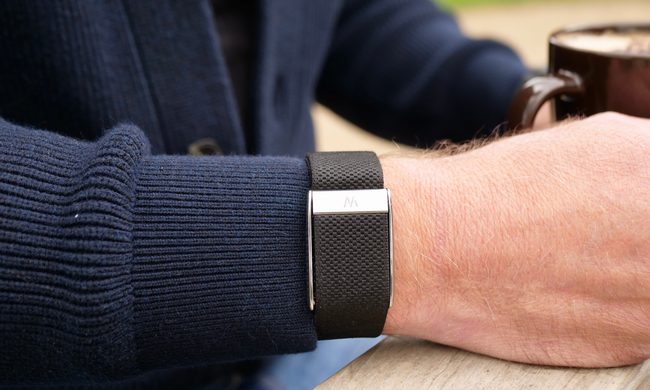
Amazfit Balance Ultimate smartwatch on wrist
Amazfit

Amazfit has launched the Balance Ultra, a new flagship smartwatch meant for users who track their workouts closely but may not always pay the same attention to recovery.

Recovery is one of the most important parts of training, because poor sleep, high stress, and badly timed rest days can directly affect progress. The new smartwatch aims to make that easier to track by combining workout data with sleep, stress, heart rate, HRV, blood oxygen, breathing, and recovery metrics through the Zepp App.

Can it help users train smarter instead of just harder?

The Balance Ultra is built around Amazfit’s Hybrid Training System, which is meant to give users a clearer view of how ready their body is for another workout. Instead of only recording completed sessions, the watch looks at training load, recovery, and lifestyle signals to help users decide whether to push harder or slow down.

Amazfit supports this with features such as BioCharge, LifeLoad, Training Load, Weekly Focus, Training Balance, and Hybrid Training Plans. BioCharge gives users a sense of their energy levels throughout the day, while LifeLoad factors in the strain caused by stress and daily activity. Training Balance and Weekly Focus then help place recent workouts in context, so users are not left looking at separate sleep, stress, and fitness numbers without knowing what they mean together.

Recommended Videos

The watch also comes with official HYROX tools, including training plans, race simulations, virtual pace support, and post-race analysis. That makes it more relevant for users who mix running, strength training, endurance work, and gym-based competition formats.

What else does the Balance Ultra offer?

The hardware is also more premium than Amazfit’s standard fitness watches. The Balance Ultra has a Grade 5 titanium case, sapphire glass protection, 10ATM water resistance, and a 1.5-inch AMOLED display with up to 3,000 nits of brightness. It also supports dual-band GPS, six-satellite positioning, offline maps, route guidance, Bluetooth calling, Zepp Flow voice control, voice notes, music storage, apps, and contactless payments.

Battery life is one of its stronger claims. The company says the Balance Ultra can last up to 30 days with regular use, up to 10 days with the always-on display enabled, and up to 50 hours with continuous GPS. The Amazfit Balance Ultra is available through Amazfit.com for $599.99.

Sudhanshu Kumar Mangalam
I’ve got about 4 years of experience, mostly covering gaming, PC hardware, and smartphones. In my free time, I like…
Qualcomm is set to ratchet up chip prices in September, and your next gadget upgrade could bear the brunt
The price hike could touch every Snapdragon-powered device category.
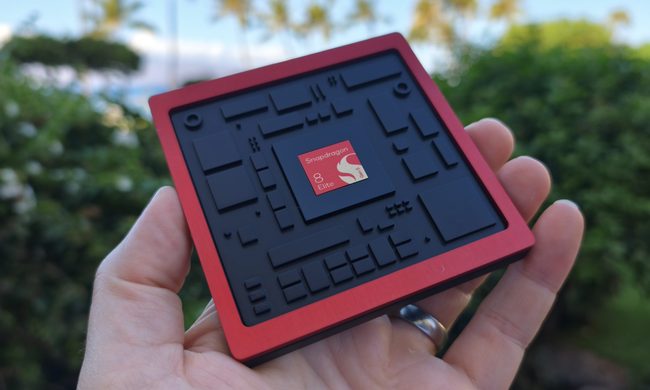
The new Qualcomm Snadragon 8 Elite Gen 5

I want you to sit with this for a second. Qualcomm, the company whose Snapdragon chips sit inside your Android phone and tablet, your Windows laptop, your Meta smart glasses, your Galaxy Watch, and your wireless earbuds, reportedly sent a letter to every major customer telling them prices are going up by double digits. 

The price hike will be in effect from September 1, 2026, a recent Bloomberg report claims. Essentially, all the companies placing their chip orders after that will pay a higher price. 

Read more
Slacked off all summer? Here are 3 fitness trackers that’ll help you stay accountable as you head back to school
Three trackers, three price points, three totally different approaches to keeping you honest about your own goals.
A person wearing the Whoop 5.0.

Summer break did what it usually does. Your sleep schedule drifted, workouts happened less often than you'd hoped, and by the time August rolled around, you were feeling it. You've got a plan to get back on track once the school year starts and your days have more structure, but you know how that usually goes. The first two weeks are solid, then the routine quietly slips.

A fitness tracker won't get you off your couch. What it will do is put a number in front of you every day, one that makes it obvious whether you stuck to your goal or slacked off. That small bit of visibility is often the difference between meaning to work out and actually doing it. Back-to-school season is a good time to buy in, since you're already resetting more than one part of your routine, and the overlap makes the habit more likely to stick. To keep the odds in your favor, here are three fitness trackers that can help you stay accountable and actually hit your goals.

Read more
Galaxy Watch 9 vs. Watch Series 11: Has Apple finally met its smartwatch match?
From AI-powered health coaching to outdoor fitness tracking, here's how Samsung's Galaxy Watch 9 stacks up against Apple's Watch Series 11.
Wristwatch, Arm, Body Part

These days, the real battleground between smartwatches is who can turn a wrist-worn, sensor-loaded device into something that resembles a personal fitness trainer, and this year's crop of flagship wearables takes that fight more seriously than ever. 

Samsung just refreshed its mainstream Galaxy Watch line with a new silicon and a batch of clinically-backed health tools, landing squarely on Apple's home turf of preventive wellness tracking. Apple, for its part, has spent the better part of a year letting its Series 11 sit as the reigning pick for anyone inside its ecosystem, propped up by a software catalog few rivals match feature-for-feature. 

Read more