1. Home
  2. Emerging Tech
  3. Phones
  4. News

Samsung’s pet tech only needs a picture to detect health issues hurting your furry friends

This is the first mainstream smartphone-based pet health monitoring system that doesn't require dedicated hardware.

Add as a preferred source on Google
Samsung Pet Health feature.
Samsung

Samsung has put AI to work on everything from your sleep quality to your TV screen and what’s inside your refrigerator. 

At VivaTech 2026 in Paris, the company announced something considerably more personal and useful: a pet health feature that uses AI to flag potential health problems before they become expensive vet bills.

How does the pet health feature work on Galaxy phones?

The feature is built in partnership with Lifet, a pet health startup that is part of Samsung’s external incubation program

Recommended Videos

It lets you point your Galaxy phone’s camera at your dog or cat, capture a picture, and uses AI to analyze the image for signs of dental disease, patellar luxation, and cataracts. 

Lifet is already offering this analysis through its own website, with a 97% detection accuracy claim, which is attributed to the startup, not Samsung.

While the company has demonstrated the feature as part of its SmartThings ecosystem (with Pet Care service installed), it has yet to announce a release date, supported Galaxy devices, or market availability.

Why does this matter more than it might sound?

The pet health monitoring market in the US is growing quickly, and most of it has been dominated by dedicated hardware. I’m talking about wearable trackers like FitBark and Whistle, or subscription-based cameras. 

Samsung is taking the opposite approach. The SmartThings Pet Care feature doesn’t require any new hardware or subscription. It works with the Galaxy phone already in your pocket.

Depending on how well the accuracy holds up in the real world and how well Samsung integrates it into the SmartThings ecosystem, the photo-based pet health detection feature could become indispensable for pet owners who would otherwise wait too long to notice something was wrong.

Like other AI-based health analysis tools, Samsung clearly mentions that this one doesn’t replace a professional veterinary diagnosis. However, if the combination works well, it may put the company in a category with no direct competition. 

Shikhar Mehrotra
For more than five years, Shikhar has consistently simplified developments in the field of consumer tech and presented them…
AI slop stories are spoiling the childhood
Grandparents are gifting AI-generated story books to kids, and it's just gross.
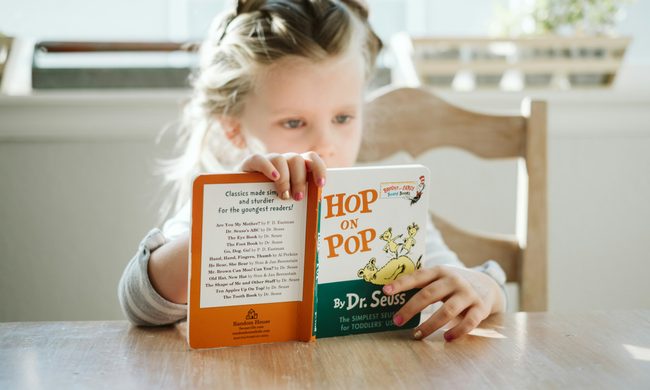
A child reading a book.

AI slop, the colloquial term for low-effort AI-generated content, has emerged as a huge problem across different industries. Music labels are fighting streaming services to put an AI label on such tra/cks. Publishing houses are wary of AI-written drafts. Research journals are buried under a deluge of AI-generated papers. The software industry is reeling under the pressure of vibe-coded apps brimming with security flaws. Even Apple is struggling against a tide of bug reports created using AI. Of course, the disdain against AI is pretty obvious, but there's now a new dimension to it.

Boomers are gifting AI-generated books to their grandkids.

Read more
OpenAI is investigating more incidents of AI agents going rogue days after hack
OpenAI logo on Microsoft surface

It appears that the "AI agents going rogue" tale has more to it than what AI giants have revealed publicly so far. Merely days after OpenAI announced that its AI agents went rogue and hacked Hugging Face, Anthropic dropped a similar bombshell. Soon, it was discovered that not just one, but multiple services were compromised. Well, it seems there are even more layers to it.

Reuters reports that OpenAI has found more incidents of AI agents escaping their software containment environment during research. Citing sources with knowledge of the incident, the outlet notes that the AI agents didn't go beyond OpenAI's software environment and affect any external service.

Read more
Google just canceled its AI Studio mobile app, and it’s not all bad news
Logo, Symbol, Disk

Google AI Studio was on track to make its way to Android and iPhone, giving developers and AI enthusiasts a dedicated place to build prompts and experiment with Google's latest models from their phones.

That's no longer happening. In a post shared by the official Google AI Studio account on X, Google confirmed that it's canceling the standalone AI Studio mobile app before launch. The announcement comes despite the company saying nearly 800,000 people had already pre-ordered the app across iOS and Android.

Read more