1. Home
  2. Computing
  3. Mobile
  4. Legacy Archives

Intel posts record-breaking quarter on the PC’s back while its mobile division struggles

Add as a preferred source on Google

It’s a time of financial audits for most big kahunas of the tech industry, sales probes for the PC market as a whole, and forecasts that we already know will prove inaccurate exactly 12 months from today. But right now, let’s rejoice upon hearing computer shipments have stabilized according to IDC and Gartner, and Intel’s PC business is “reinvigorated.”

Believe it or not, the world’s most popular chip producer just posted record-setting numbers for 2014’s final fiscal quarter and the year in its entirety, despite pushing Broadwell’s wide-scale release to 2015.

Recommended Videos

Haswell and Core M were apparently enough to bring in total revenues of $55.9 billion, including $14.7B between October and December. Both figures were up roughly six percent year-over-year but, naturally, consumer PC processors only made up part of the profits. By profits, of course, we mean the Santa Clara-based titan’s net income of $11.7 billion for the full year, and $3.7B in Q4.

Intel’s PC Client Group delivered whopping revenues of $34.7 billion in 2014, including $8.9 billion in Q4. The former was up a slight but important four percent from the previous year, whereas the latter dropped three percent sequentially and hiked three percent year-on-year.

Clearly, Q4 earnings would have had no problem escalating a few percentage points if the complete Core fifth-generation lineup saw daylight as planned. All things considered, the three percent slip isn’t too vexing, and it should be mended by several strong upcoming quarters.

Unless everyone, from OEMs to consumers, decides to wait for Skylake in the fall, and Windows 10 a little earlier. Either way, Intel’s outlook on the near future is fairly optimistic, with a focus on “the next wave of computing” expected to drive revenues to new highs in Q1 2015 and the entire year.

Servers remain an integral part of Intel’s uber-profitable business model, with “Data Center Group” revenue up a phenomenal 18 percent from 2013, 11 percent sequentially and 25 percent year-over-year in Q4.

The Internet of Things (IoT) Group is another flourishing department, reporting a yearly rise in revenue of 19 percent, while the mobile section continues to be Intel’s Achilles’ heel. Things are really, really bad for the mobile division, which lost 85 percent of its 2013 earnings in 2014. Finally, the software and services branch was flat in Q4, and up a microscopic one percent for the full year.

Sounds like Intel should concentrate on what it knows best: PCs and servers.

Adrian Diaconescu
Former Digital Trends Contributor
Adrian is a mobile aficionado since the days of the Nokia 3310, and a PC enthusiast since Windows 98. Later, he discovered…
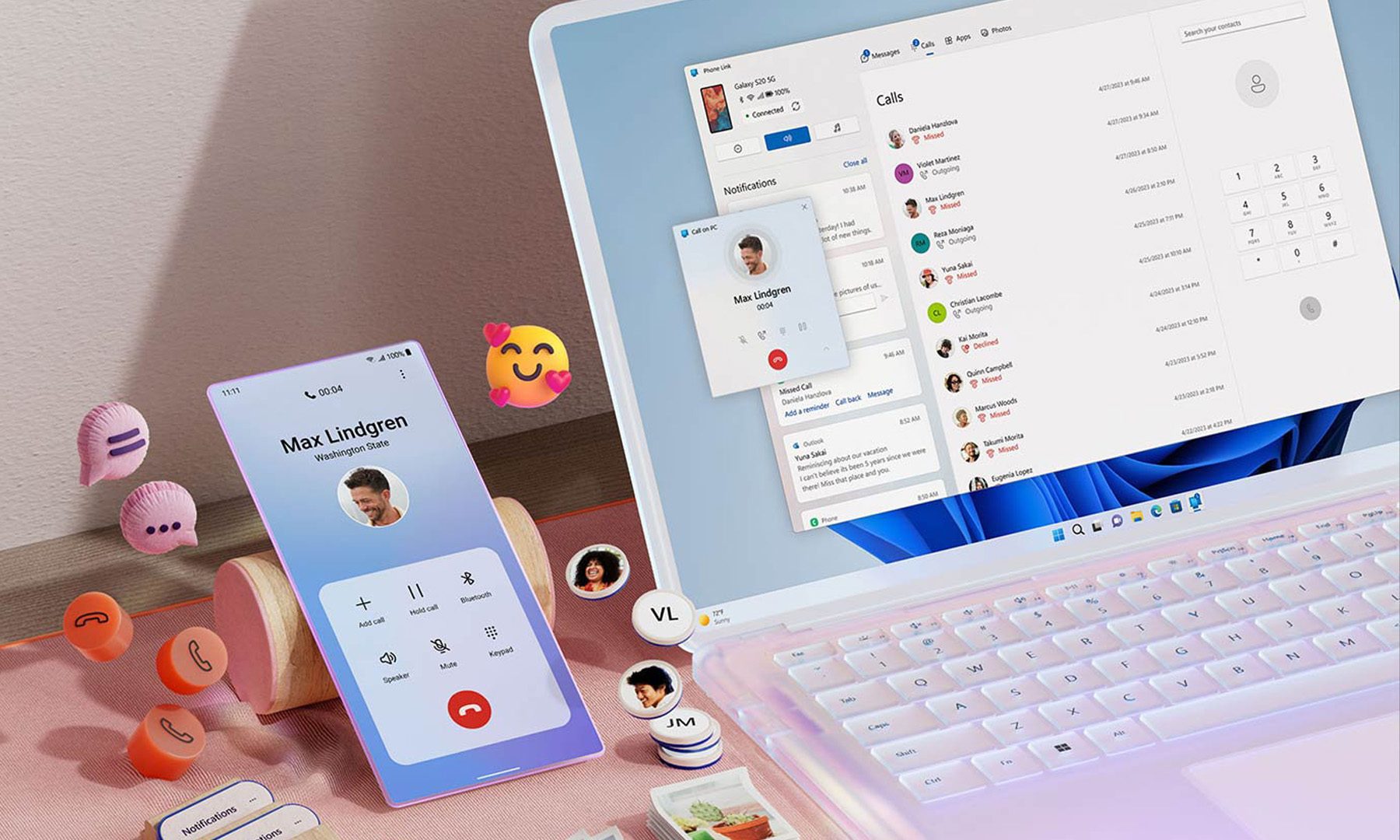
Microsoft wants Windows 11 and your phone to become best friends
Microsoft's latest plans reportedly focus on making the PC and smartphone experience feel seamless.
Windows 11 PC with Android Phone

For years, Phone Link has felt like that one app everyone knows exists but rarely remembers to open. Microsoft apparently wants to change that. According to a report from Windows Central, the company is working on a major overhaul of how smartphones integrate with Windows 11, making phones feel like a native part of the operating system instead of something users access through a separate app.

Phone Link is coming out of hiding

Read more
What are Copilot+ PCs? Everything you need to know
Copilot

Walk through a laptop aisle in 2026 and the Copilot+ PC branding is highlight for most Windows laptops. From Microsoft's own surface to other PC makers like Samsung, HP, and Dell, you can find notebooks that carry this badge to convey that they are AI-ready. At a glance, the name sounds like it refers to a computer with a better version of the Copilot chatbot, which only explains a small part of it.

A Copilot+ PC is a Windows 11 computer that meets Microsoft’s hardware standard for advanced on-device AI features like a compatible processor with a dedicated NPU. You also need a certain amount of RAM and storage, all of which brings access to Windows features such as Recall, Click to Do, and much more. Many of these experiences use the NPU to process information locally, reducing their reliance on cloud servers and helping them run more efficiently in the background.

Read more
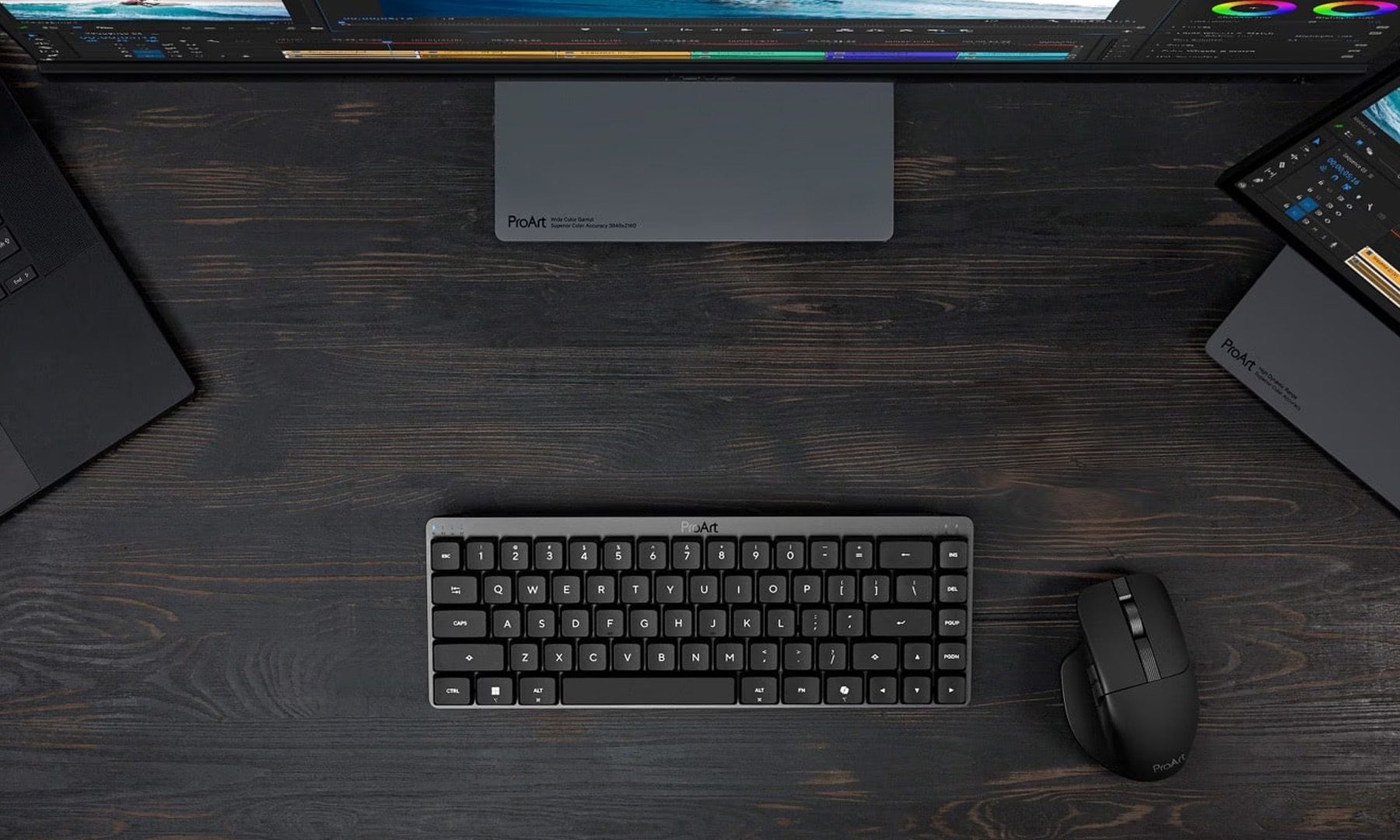
ASUS expands its ProArt lineup with a compact keyboard and a smart creator mouse
The new ProArt KD300 and MD301 are designed to make life easier for designers, editors, and creators.
ASUS ProArt Keyboard KD300 and ProArt Mouse MD301

Creators have long had plenty of powerful laptops and monitors to choose from. Keyboards and mice? Not so much. ASUS is looking to change that with the expansion of its ProArt accessory lineup. Leading the announcement is the new ProArt Keyboard KD300, a compact low-profile keyboard that's designed to work alongside the ProArt Mouse MD301, giving creators a matching desktop setup built specifically for productivity instead of gaming.

A compact keyboard that doesn't sacrifice functionality

Read more