1. Home
  2. Smart Home
  3. News

Whoops. K-Cup inventor doesn’t use them, kind of regrets inventing them

Add as a preferred source on Google

Perhaps you’ve seen the image of the Earth wearing a belt made of K-Cups. “All of the K-Cups sold in 2013 would wrap around Earth 10.5 times,” reads the accompanying text. Green Mountain, which acquired Keurig, makes just 5 percent of its cups out of recyclable plastic; the rest are made of a plastic that only a few cities in Canada recycle. It’s no wonder the inventor of K-Cups feels a little guilty. “I feel bad sometimes that I ever did it,” John Sylvan tells The Atlantic.

Green Mountain plans to make all its cups recyclable by 2020, but some competitors are way ahead of them; Canterbury Coffee makes a 92-percent biodegradable single-serving pod, and Ekobrew is a reusable K-Cup. Many Keurig enthusiasts were happy to use these alternatives (which are often cheaper, too) — until the 2.0 version of the machine refused to brew off-brand pods. Naturally, there are ways around the problem, but Keurig still sold 9.8 billion packs last year, The Atlantic reports.

K-Cups
Image used with permission by copyright holder

Recently, Coca-Cola partnered with Green Mountain, and the latter announced its yet-to-be-released Keurig Kold, which allows users to make tea, soda, and sparkling water at home. Though the machine doesn’t use CO2 canisters, it’s not clear if it will work on a similar single-use model that its coffeemakers use.

Recommended Videos

However, there are some benefits to the pod-process of making coffee. Murray Carpenter, who wrote a book called Caffeinated and was responsible for the 10.5 ring of K-Cups statistic, tells The Atlantic, “The 11 grams of grounds in a K-Cup are utilized more efficiently than when I throw a handful of ground coffee into my Melitta filter in the morning.” Fewer grounds means less water use; plus, people who brew entire pots end up throwing a lot of coffee, wasting more H2O.

While Starbucks brews efficiently, but those disposable cups still generate waste. The most bang for your buck, in terms of eco-friendliness, says Carpenter, is instant coffee.

We’re doomed.

Jenny McGrath
Former Senior Writer, Home
Jenny McGrath is a senior writer at Digital Trends covering the intersection of tech and the arts and the environment. Before…
Remember Samsung’s Ballie home robot? It may finally be inching closer to reality
Leaked app wireframes give the strongest hint yet that Samsung's Ballie home robot, first shown at CES 2020, might still be headed toward an actual release.
Samsung Ballie robot in a room next to a dog feeder.

Samsung's rolling home robot has been the industry's longest-running "will it ever actually ship" joke, and I'll admit I'd mostly given up on it. Now, there's finally a glimmer of hope.

Samsung first unveiled Ballie as a concept at CES 2020. Then, it showed it as a significantly upgraded version four years later. However, the company never confirmed a release date or committed to releasing it at all. 

Read more
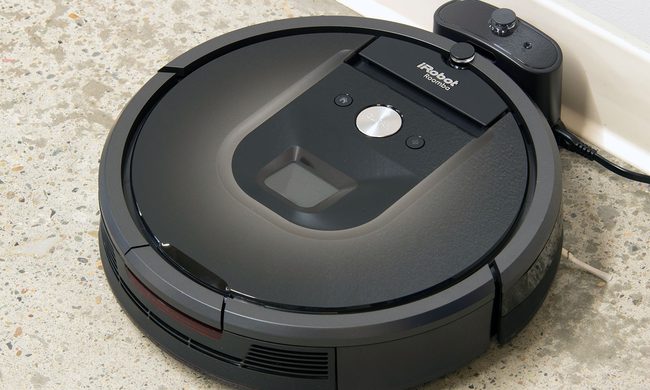
The US foreign-made robot crackdown is coming for future Roombas too
Future Roombas face new US sales hurdles, but existing models are unaffected
Roomba 980

The FCC has already made it much harder for foreign drone makers such as DJI to bring new products into the US. Now, the same crackdown is reaching a machine far more likely to be moving around your living room.

The US government recently added foreign-made advanced robotic devices to the FCC’s Covered List. The announcement appeared focused on humanoids, robot dogs, and industrial machines, but an FCC spokesperson has confirmed to The Verge that robot vacuum cleaners are covered too.

Read more
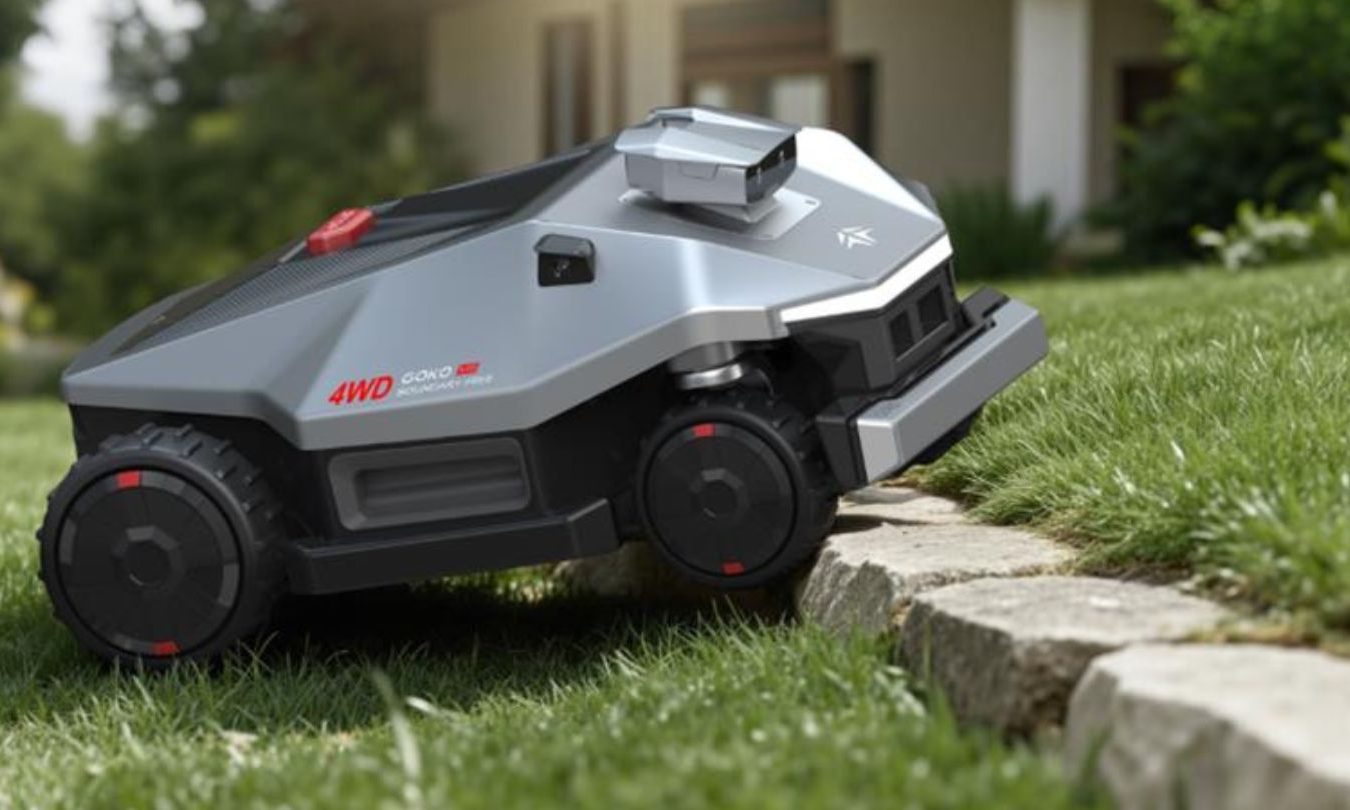
The GOKO M6 Robotic Lawn Mower Brings Industrial Robotics to Modern Lawn Care
7 reasons this AI-driven powerhouse makes hands-free yard work smarter than ever
Grass, Lawn, Plant

Robotic lawn mowers can save homeowners hours of manual yard work, but not every model is designed for challenging properties. While many perform well on flat lawns, larger yards with uneven terrain, steep slopes, and multiple mowing zones require a mower built for more demanding conditions.

Developed by GOKO, the consumer robotics brand of Robot++, the GOKO M6 is an industrial-grade 4WD AI-powered robotic lawn mower that brings more than a decade of industrial robotics expertise to residential lawn care. It combines AI-powered four-wheel drive, advanced navigation technologies, and AI QuadVision obstacle detection to tackle complex landscapes with less manual intervention.

Read more